
One of the most confusing parts of photo editing for me is finding simple definitions for some of the concepts inherent in photo editing software. Things like layers, blend modes and opacity, which are concepts many people ask about. But also the difference between pixel layers, raster layers, adjustment layers, and fill layers.
 What are filters and why are they separate from adjustments? And what the heck is rasterizing anyway? Or the difference between “rasters” and “vectors”? And what is “rendering”? And of course, the single most important concept – non-destructive vs. destructive editing.
Despite shooting for many years, I stumble my way through explaining these concepts. So I finally went looking for the real answers. It wasn’t as easy as I thought it would be. But I persevered. Here’s what I found. Continue reading “The Meaning of Life (ok, not quite)”
 I’ve been hearing and reading quite a bit about this thing called computational photography. It is such a new field that what’s in and what’s out, or even the language with which it is communicated, is not yet well defined. But it can be applied to any form of optical capture, whether in the science lab or in the artist’s studio.
 That said, there is both artistic and practical value in marking a photograph as yours. This post looks at some of the more popular ways to do that.
  I come from a generation born before televisions were common in middle class homes. We relied on a radio for news and our only “social network” was the people we knew in the neighbourhood, at school, through our parents or through our church. Getting your name out there was done by word of mouth and by advertising on the radio and in the “yellow pages” or other print publications.
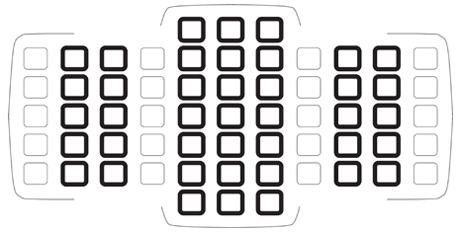 As with most things photographic, there is theory and there is practice and sometimes the two don’t mesh exactly. Here’s what I’ve learned about autofocus.
  The start of a new year. Time to consider shaping up – not only personally but maybe for your photography workflow. How can you do things better? At the very least, you’ve probably accumulated a huge amout of content this year. Are you running out of storage space? And are you safeguarding your work appropriately?
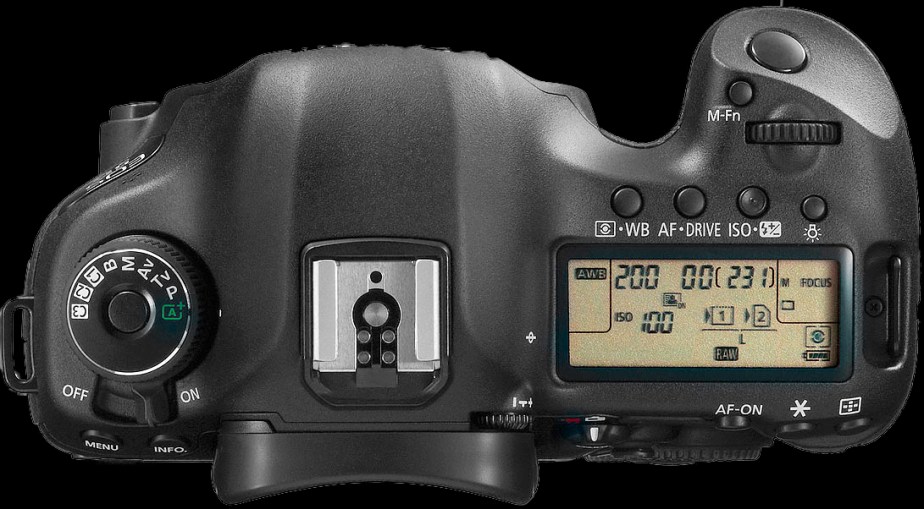 And then what do we do? We turn everything off and shoot completely manually, because “that’s what pros do”. Think about that for a minute. Does that make sense to you? Give your head a shake.
