
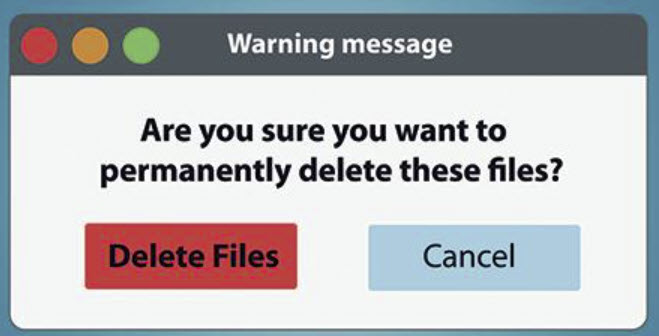
My last post was about printing your favourite photographs to put them on display in your home. In order to decide what are your favourite photographs though, you need to review your collection. That opens up a whole other topic and it’s one that has gotten some airtime lately – should you keep all the photographs you ever shoot or spend some time initially culling and sorting good from bad and deleting the bad?

The topic has surfaced because of the proliferation of online resources that now enable or even insist that you keep all of your “assets” in the cloud. The convenience of working on your collection anytime, anyplace, on any device seems to be what has prompted this discussion. Or perhaps it was the fact that even professional photographers now use many different devices to capture their work. And of course, the larger your collection, the more challenging is this idea of managing everything in the cloud. Cost aside, the larger the collection, the more organized you have to be in managing it and the more time you need to devote to it.
There are so many elements that factor into a decision on retention. This post explores some of the most relevant considerations for hobbyists primarily. Professionals have to be guided by contractual conditions and by their own marketing and branding interests. This is not that. This is for those of us who have full creative control over what we keep and what we don’t without the pressure of legal obligations or earning an income from it.
It’s a fact of life and of simple math that our photography collections will grow with time. The longer we indulge in the hobby, the more passionate we are about the hobby, and even the type of photography we indulge in will cause our collections to grow, sometimes exponentially.
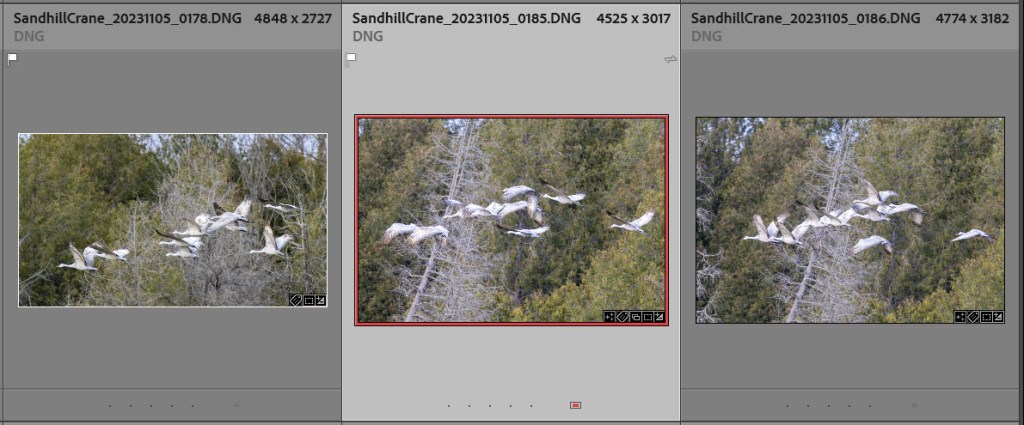
I especially feel for bird and nature photographers who with today’s modern mirrorless cameras with electronic shutters can take an astounding 60 or more frames per second repeatedly as their subject streaks across the field of view. My recent trip to Europe left me with over 3,000 images to examine, and I was not shooting anything in motion. Birders can often fire off 5,000 images in one afternoon.
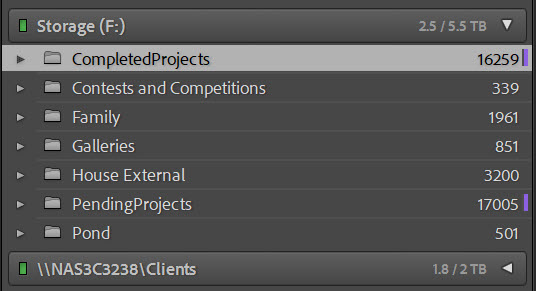
Multiply that by a modest five such events a year over 20 years and you will easily gather 300,000 or more images. Many of the photographers I follow online have 500,000 or more images in their collections. And as a side note, Google tells me that “5.3 billion photos are taken worldwide every single day, which adds up to roughly 1.95 to 2.1 trillion photos per year. Smartphones account for about 94% of this massive global output.” When I worked at the camera store, customers would come in seeking to print a photo from their phones and routinely would have to sort through thousands of images to find the right one. And sadly, many had not given a moment’s thought to backing up those memories in case their phone failed. Conversely, many had also not given a moment’s thought to deleting the, excuse me, crap snapshots that often fill our cellphones.
Some photographers decide out of the gate that they will keep everything they shoot. When asked why, it’s a simple case of not wanting to throw away something that might be useful later. They tend to be savers in all aspects of their lives, sometimes revealing that tendency in the background items behind them as I watch their videos. It’s also a fact of life that over the years, image capture and editing techniques have improved enormously, making it possible to make different decisions today about whether an image is a keeper when it clearly wasn’t at the time it was shot. So you keep it “just in case”.
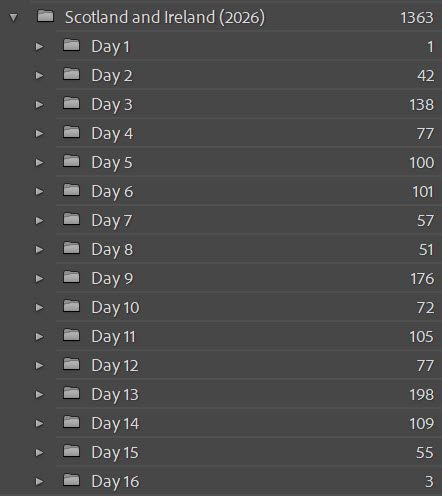
From a practical point of view, there is also nothing more boring than culling thousands of photographs taken on a trip, an outing or at an event. I admit that I normally didn’t. I quickly scanned a shoot and picked out the “winners” that I would edit further, share and post. I tended to just leave the rest. I did something different for my recent European trip. I decided that each photograph would be examined in detail and either kept and edited, or deleted. I ended up with 1,083 images kept, or about 1/3 of what was shot (plus 280 video clips). I felt joy in the result and it gave me a sense of pride to see all of those “great” images in a grid layout, with no crap also taking up space in between the good ones. But the effort to get there was tough.
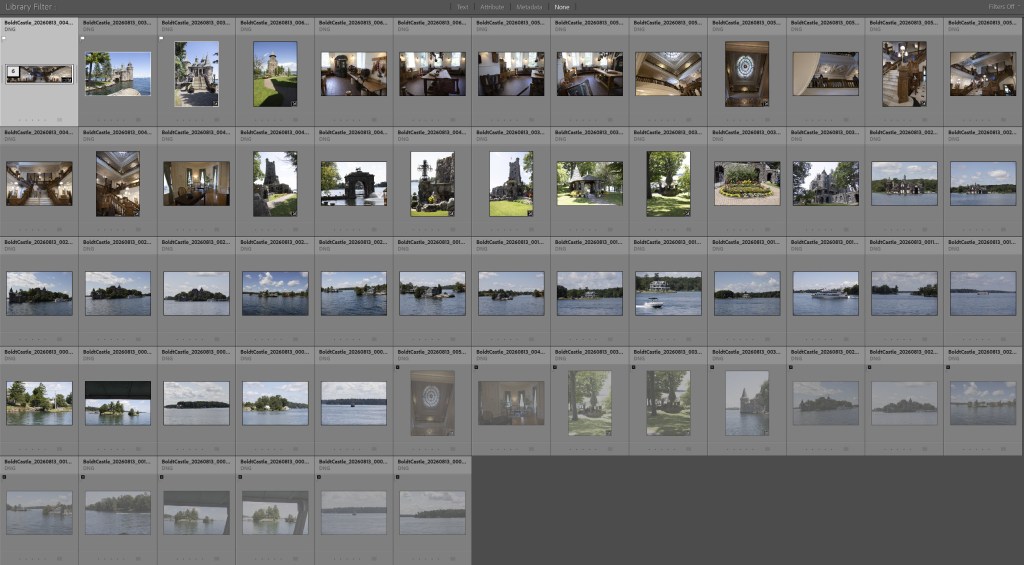
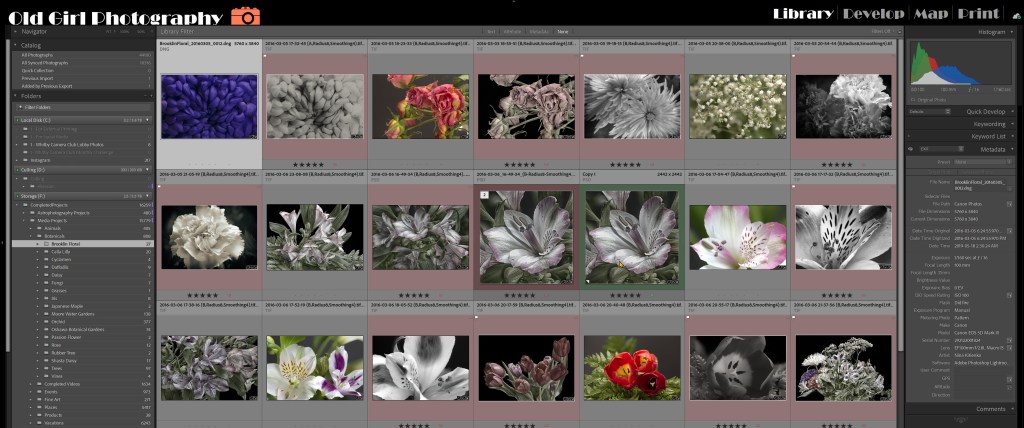
At the top of this post is another more recent attempt at being more selective. Of the 63 photos in this collection, 14 have been marked for deletion (22%), 3 have been selected as “special” (4%) and the remainder will require a second look, maybe.
Software now can help automatically with an initial cull that will isolate out of focus images, duplicate images. By design, this is reserved for repeated scenes, like portrait shoots or tracking birds in flight, where you will have dozens of the same thing. The automation does nothing for one-off situations, where the decision is a judgment on the quality of a single image, unless it is a technical problem like poor focus. Even then, the focus may have been a deliberate choice, not an accident. So software is not yet much help with managing a huge collection.
The keeper rate of my early images was far less than 1/3. When I first got serious again about photography in 2014, it was 10% in all honesty. But as noted, I rarely threw anything away. It’s another fact of life that as we get older with more experience, our tastes change and our abilities change, making the early decisions about what was in our photography collection a bit problematic. I’ve been concentrating on photography as a hobby since I retired in 2014 and this year, I’ve been going back through my early collection of photographs and frankly had no trouble at all deleting those that no longer were a match to my level of expertise, my aesthetic or my interests. No sentimentality there at all for me.

But I think the hardest thing I’ve learned in this exercise is that my photography legacy is not at all important to the world – I serve no purpose at all keeping everything I’ve ever shot. They are important to me and me alone. So maybe it’s not that big a problem if those customers at the store do not back up their cellphones.
Sometimes you will see a random collection of hobbyist snapshots on display at a museum, but these are typically chosen to depict a particular historical time period, not to celebrate the artist that made them. You are lucky if you even find out who took them. I will leave it to the cellphone universe to provide those future collections of moments in time – well maybe except for the family shots of us with long hair or mullets and bell bottom pants. The grandbabies might find those entertaining someday.
Case in point: of my 1,083 keepers from my European trip, only 189 have been posted or shared. Although I love them all, it was clear to me that less than 20% would have much meaning for anyone else. You know the expression: “You had to be there.” That really is so true for travel images. So don’t hesitate being your own best critic when it comes to your own photography.
My goal is simple: to have a catalogue of images that makes me happy. I’m not quite there yet. Cost and storage volume will not drive those decisions. It will strictly be a choice around what makes me happy. I think that’s a pretty good rule of thumb for any hobbyist.
 oldgirlphotography.ca
Interesting perspective. I have been so busy cleaning out my home of unnecessary stuff, so my son will have to do as much after I pass, that I had not even thought about my photos. I plan to take ones I think he will want and separate them on a disc so he is free to wipe out everything else when that time arrives (hopefully not for a very long time yet). One day is always the phrase that comes to mind, but really one day should start today.
LikeLike