
A few days ago, Adobe launched its latest versions of Lightroom and Photoshop. Strangely, this was done with little fanfare, and came as a complete surprise to me when I first saw the updates.
 It’s been a long standing complaint that Adobe Lightroom is frustratingly slow to load and display images, particularly previews on import or previews when switching from Library to Develop. Adobe promised to deal with this issue, going so far as to release a statement from photography product manager, Tom Hogarty in July. The statement acknowledged user concerns and committed Adobe to working harder to address them.
I guess this week they delivered, but not in any way that anyone expected. Far from being pleased, many users are puzzled and even angry at what the latest releases imply. Continue reading “Seriously Adobe?”
 Whenever I venture to purchase a new lens, I’m typically presented with the fastest lens first – the advanced option. But the more I’ve shot, the more I’ve come to question this equipment mantra. Most of the time, you DON’T need the fastest lens. Here’s why.
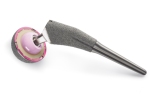 A year ago today, I received a new hip. Routine surgery I’m told, but life changing for me. Months of excruiating pain replaced, initially, by the feeling of having been hit by a bus. Luckily that lasted only a couple of weeks.
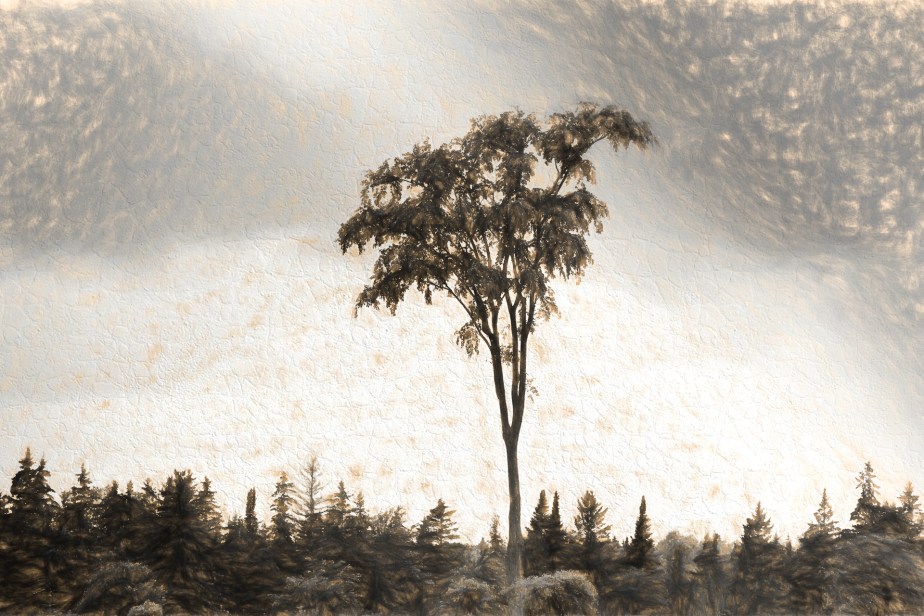
 In 1935, Eastman Kodak Company introduced Kodachrome and changed the world forever. Despite this, colour photography did not become widespread, at least not in the consumer market, until the 1960’s. So colour image capture has really been in broad use for just 50 years.
 First, a disclaimer: this post is NOT legal advice. Every jurisdiction is different – it’s up to you to understand the laws that apply to you and how best to protect yourself. You should always follow any copyright and privacy laws, particularly if you hope to profit financially from your work.
 Macro photography requires only one unique piece of equipment: a lens that can focus within a tiny distance of the subject, resulting in an image that is the same size on the camera sensor as the subject is in real life. But macro lenses have an amazingly small depth of field, almost guaranteeing that some part of the image will be out of focus. What’s a photographer to do?

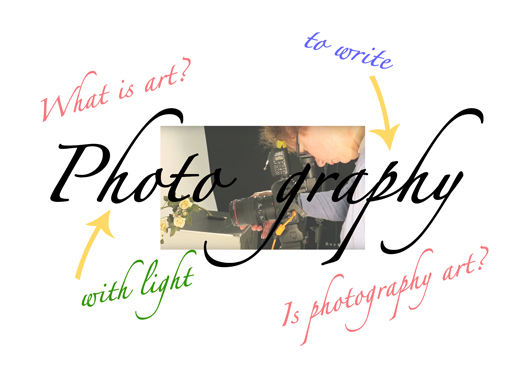 This leaves me wondering. If photography must be art to be successful, is there a point where a photograph is no longer a photograph? And where is that line? The answer isn’t obvious. Here’s why…

