
Does your photography move you emotionally? Do other people comment on how it moves them? Is there a “wow” factor?
 Experienced photographers who share their knowledge with new photographers spend a lot of time talking about composition and the “rules”. Leading lines, rule of thirds, negative space, etc. help to teach the eye what to look for when evaluating a scene. But they don’t spend a lot of time talking about why these rules matter at all.
I can only find one answer: it’s an effort to disrupt the composure of anyone who views the image. To get a reaction. Most often positively, sometimes with delight, and sometimes deliberately negatively. The “rules” provide a roadmap for the senses, and by extension, for the emotions. To be truly successful as a photographer, you have to tap into that emotion – yours and your viewers.
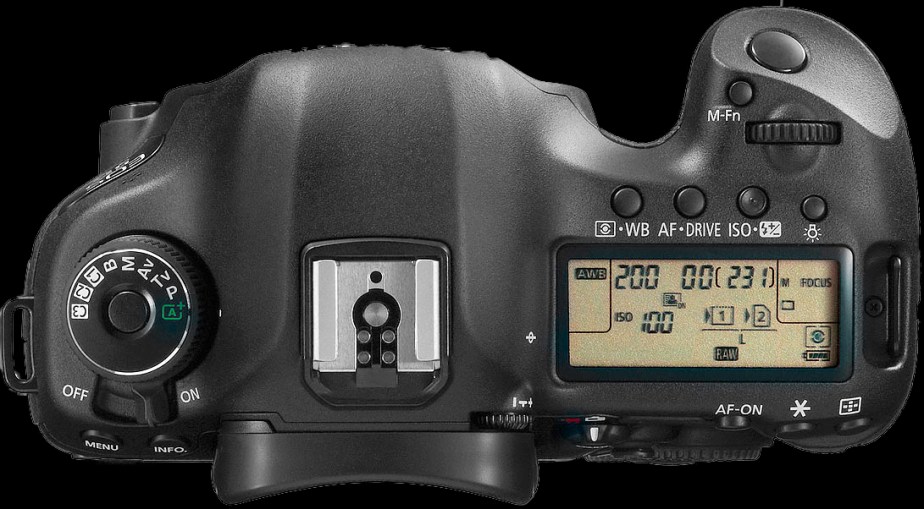 And then what do we do? We turn everything off and shoot completely manually, because “that’s what pros do”. Think about that for a minute. Does that make sense to you? Give your head a shake.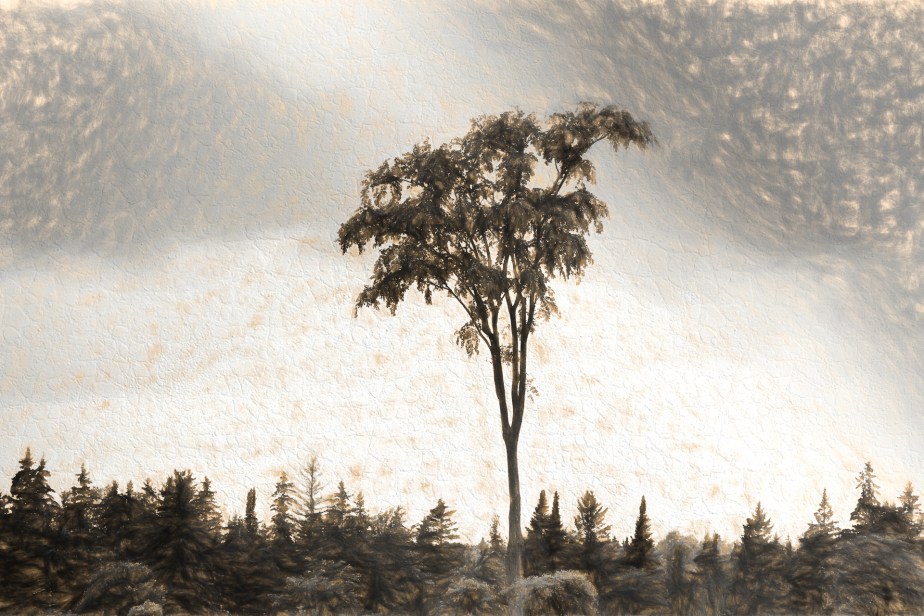
 In 1935, Eastman Kodak Company introduced Kodachrome and changed the world forever. Despite this, colour photography did not become widespread, at least not in the consumer market, until the 1960’s. So colour image capture has really been in broad use for just 50 years.
 This leaves me wondering. If photography must be art to be successful, is there a point where a photograph is no longer a photograph? And where is that line? The answer isn’t obvious. Here’s why…

