

I went on a photography retreat a week ago, in a location I had never been to before, with amazing natural features and unique architectural/cultural features as well. It should have been heaven for me. In many ways it was, with the most mind blowing feature being the ability to see the night sky without interference from city light pollution.
But I discovered that when some things are not what you expect, or not particularly pleasant, they can affect your entire outlook on an otherwise “stellar” experience. I didn’t appreciate just how much emotion factors into my photography. Continue reading “Photography is a State of Mind”
 It seems there are as many ways as there are people to deliver a critique for an image. Some concentrate on the technical, supposedly objective, aspects that anyone can see; some on the storyline; some on the overall presentation. Feedback can range from how the image makes the viewer feel, right through to steps to “fix” it.
 Skylum announced the upcoming release of Luminar 4, scheduled for sometime in the fall. Originally released in 2017, the company and the product have gone through some interesting evolutions.
 I can shoot an image, I can even stage a scene. But more often than I would like, I completely blank out when I bring the raw image onto the computer. I ask myself – now what? What’s the final look I want to achieve with this image? How should I present it?
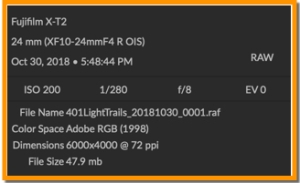 What does that have to do with photography? As it turns out, every part of a digital image is a set of values – for size, dimensions, camera settings, colour space, etc. We’ve long had the ability to manipulate any one value to our liking through the sliders we see in modern editing software. Now it seems we also have the ability to redefine broad swaths of data at once. Find out how.
