
Most hobbyist or pro photographers eventually run into “Gear Acquisition Syndrome”, also known as GAS. This is the stage of their activities where moving up or out on gear finally peaks and you finally land the kit that you have always wanted. Along the way though, you may have tried other options, and you suddenly find yourself with previously loved equipment that you have no intention of ever using again.
Sometimes you do these upgrades and switch-outs deliberately, as life priorities change, as health changes or as you land on the final set of interests that you want to pursue. Sometimes you make a legitimate upgrade decision to newer or more capable kit. But I know of no one, hobbyist or pro, who despite the most deliberate planning, doesn’t end up with at least a random collection of stuff they no longer need.
What to do with it then? Turns out that there are some options.

I guess I should say out of the gate that recovering your initial investment cost on the equipment you no longer use will not happen. There may be some vintage or high-end branded gear that does retain its value but I don’t own any of that and suspect you don’t either. All of my stuff is mass-market consumer gear, some higher-end than others, but all with fully depreciated value within 5 years of acquisition. It’s still worth something – you just need to decide what you will accept – but don’t expect original market value.
If recovering some of the investment is your priority, then you have a few options.

- First and foremost, ask your family if they would like any of the gear. There may be hidden ambitions among your relatives – just waiting for the right time and right circumstances to leap into a new hobby. You may need to be a bit more flexible on the price than you would in the open market, but both sides should walk away happy. There is a long standing caveat though that monetary transactions should never occur between family members – for the health of the family.
- If you belong to a camera club or other organized group, you may be able to post an offer on the group’s website or social media page. Personally, I prefer to offer my gear to people I know and groups I am part of, for a whole bunch of reasons. There are a lot of scams out there, designed to part you from your gear or your money. I suggest you always start with people you know to see if there is any interest in rehoming your stuff. And to me, it’s a lot of fun helping someone else learn about the gear, use it effectively and get good results. I guess I’m a teacher at heart.
- Some clubs also have annual trade table days where you can bring in some of your gear and trade it in for something else that you might now prefer to use instead. Purchases/sales can also happen here too.
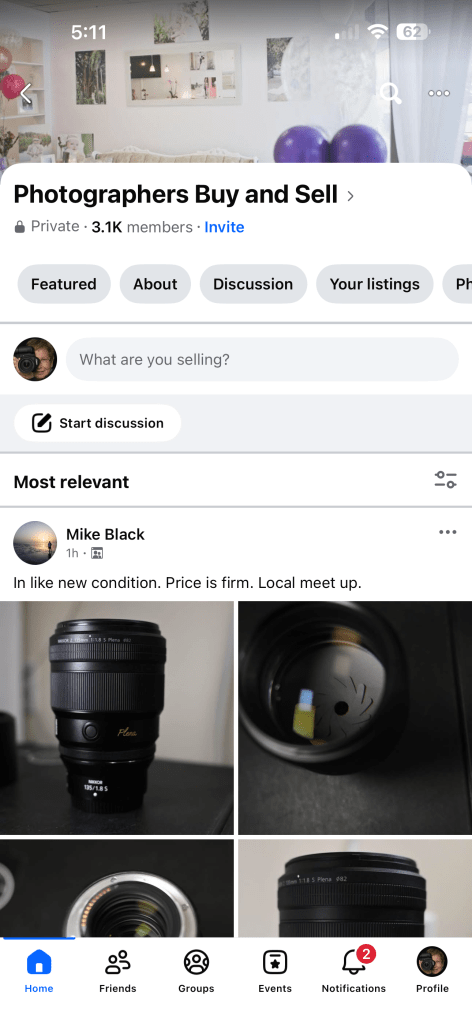
- If not a local group, there are dedicated social media groups that share your common interest and are moderated so that potential scammers have less of a chance of finding a victim. I belong to a couple of Facebook groups for used camera gear, and have both purchased and offered to sell some of my own gear.
- If you belong to any subscription based services like Patreon or Substack, they too sometimes have discussion areas where members can post available equipment to trade/sell. The fact that you have to pay to join means that the likelihood of scammers is nil (?), or so I hope.
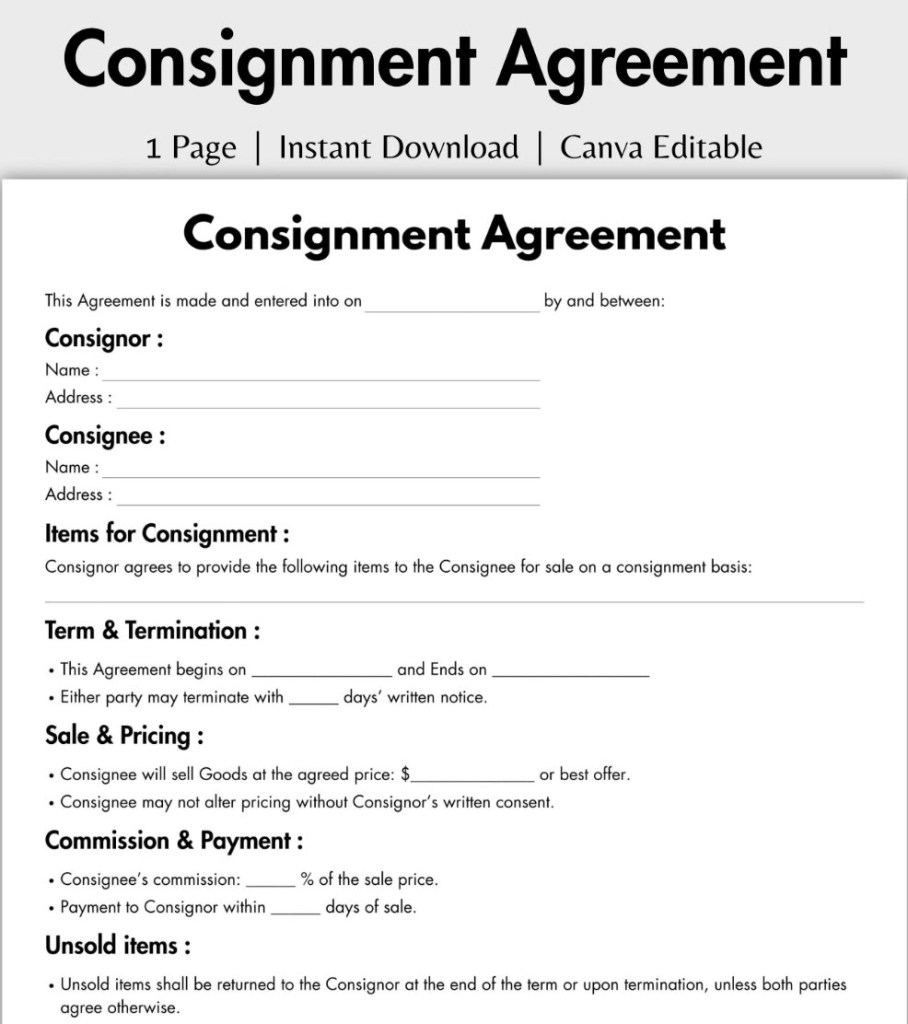
- Although there are not many brick and mortar camera stores anymore, those that do exist sometimes offer consignment options to their customers. They will display and sell your equipment for you, for an agreed price, and they keep a portion of the proceeds. This is especially the case with boutique stores that deal with vintage gear, but many will also take a variety of technology.
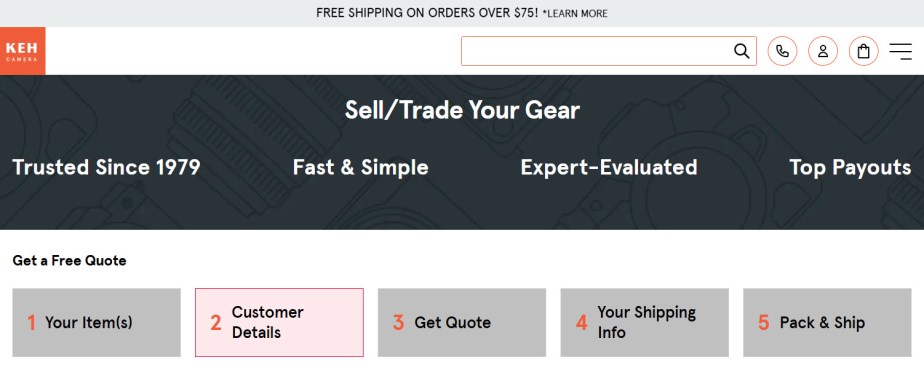
- One of the safest and most reliable options for moving out used gear are the new hubs that have popped up to buy and resell the gear as a business. Personally, I think one of the outcomes of the Covid pandemic was to reduce the availability of new gear, as supply chains were disrupted it seems almost permanently. That may have simply co-incided with the technology reaching a peak in its development cycle and vendors running out of ideas for new products. Whatever the cause, a number of companies have now emerged whose exclusive business model is buying and selling used gear. You can get some great deals as a buyer. But you will not get “market value” for gear you wish to sell. That is simply because these companies have to pay for the overhead of managing the intake/outflow and have to make a profit too. But if safety, no chance of a scam and ease of transaction is important to you, this could be your option of choice.
- General selling sites like E-Bay and Facebook Marketplace are also options, but come with some risk. Many have used them successfully, particularly for low cost items, for clothing and toys that kids grow out of, for household items. Personally, I don’t use them for gear. Be cautious when using them for electronics. There are lots of videos on how to use these sites safely – you’ll just need to consider whether the extra time, effort and possibly expense (to meet in person, for example, to verify a buyer, or to properly insure goods being sold) is worth it to you.
Sometimes, getting a financial return on used gear is not the priority (yes, it does happen!). Sometimes, the interest is primarily in finding a good home for a product. Personally, I try everything to avoid throwing something away or even to recycle it. I would rather give it away, even it if is an inexpensive “consumable” product that does eventually wear out. I’m also big on donations to worthy causes, and as many of us get older and have to start thinking about disposing of our lifetime collection of stuff, donations might be a good option. And frankly, the time, effort and safety concerns involved in online selling sometimes make the decision to give it away much easier.
I worked part-time for a camera store after retiring from my main line of work. It gave me something to do and connected me with people interested in photography. But I was often surprised by someone arriving at the store asking for help to dispose of a house full of gear of a relative who had passed away. They had no idea what to do. I don’t want to ask my family to do that for me, so I do hope to move out most of my gear before this becomes a necessity. And most important of all, I have stopped buying anything else that adds to the collection.
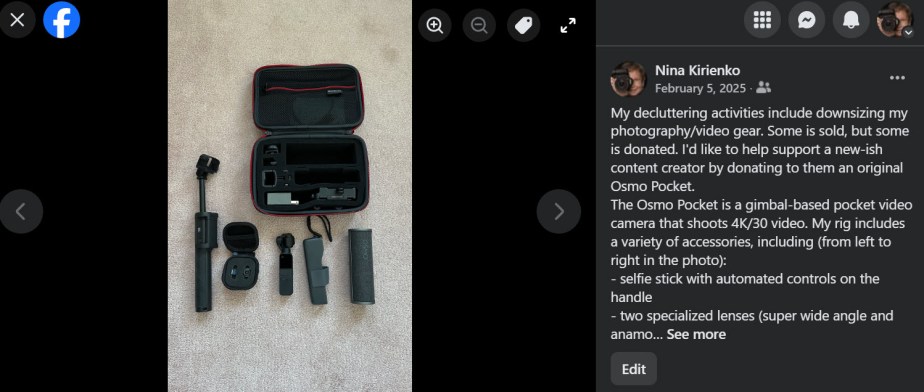
Many of the websites above can also be used for donations. Any donation gear post is still a post – the only difference is that you don’t specify a purchase amount. You might ask for the cost of shipping, but the gear itself is free. I have to say though that the few times I have posted a “free” item got mixed results. Sometimes, a reply is immediate and these have worked out well for me. But a few items have gone untouched. That’s when you really know whether the item was an over the top purchase to begin with. I admittedly have a few items that I thought were very cool at the time, but where the companies never got past the “go-fund-me” stage because no one really wanted the item to begin with.
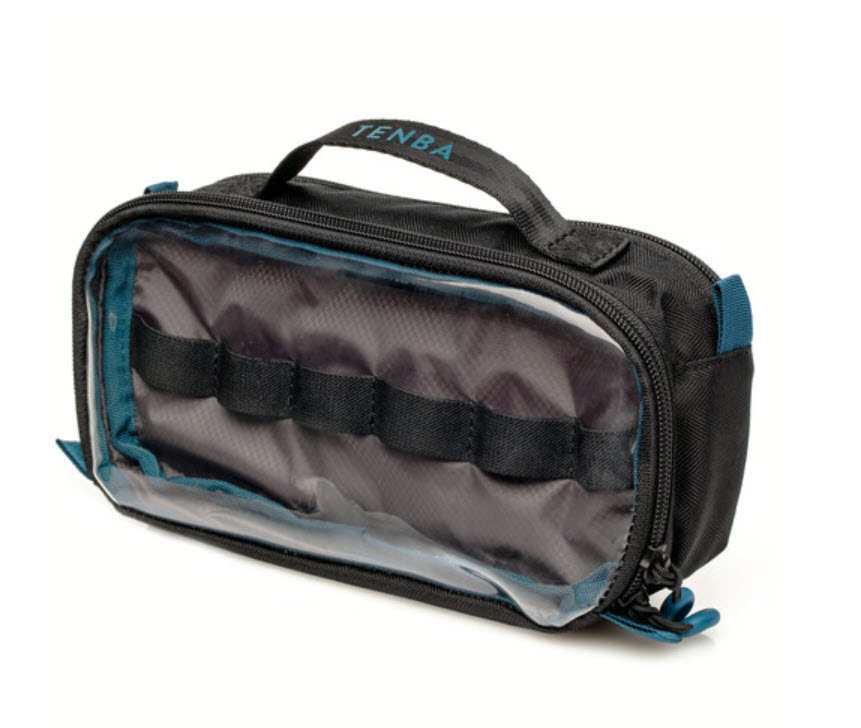
Some groups and companies that sell gear will not accept a post for anything except camera bodies and lenses, so added accessories like bags, flashes, lighting stands and backdrops, etc. may have to be managed another way. If I can’t move something out directly, I’ll take these types of goods to my local thrift store. I find they are open to any type of merchandize that they can either use for their own business or to offer to their customers, which often include students starting out in the arts.
While it is perhaps important to recover your hard earned money when you no longer need a piece of gear, everything in life is a tradeoff. You can investigate every aspect of a used gear transaction – how long has the website been active, is the buyer/seller a new member with no transactions, are payments guaranteed, is shipping insured, etc. – or you can consider your time and effort to be worth the equivalent of a few more dollars on the transaction and decide to take a less transactional/money focused approach accordingly. Each approach can be equally satisfying and will hopefully lead to your used gear finding new life with a new owner.

