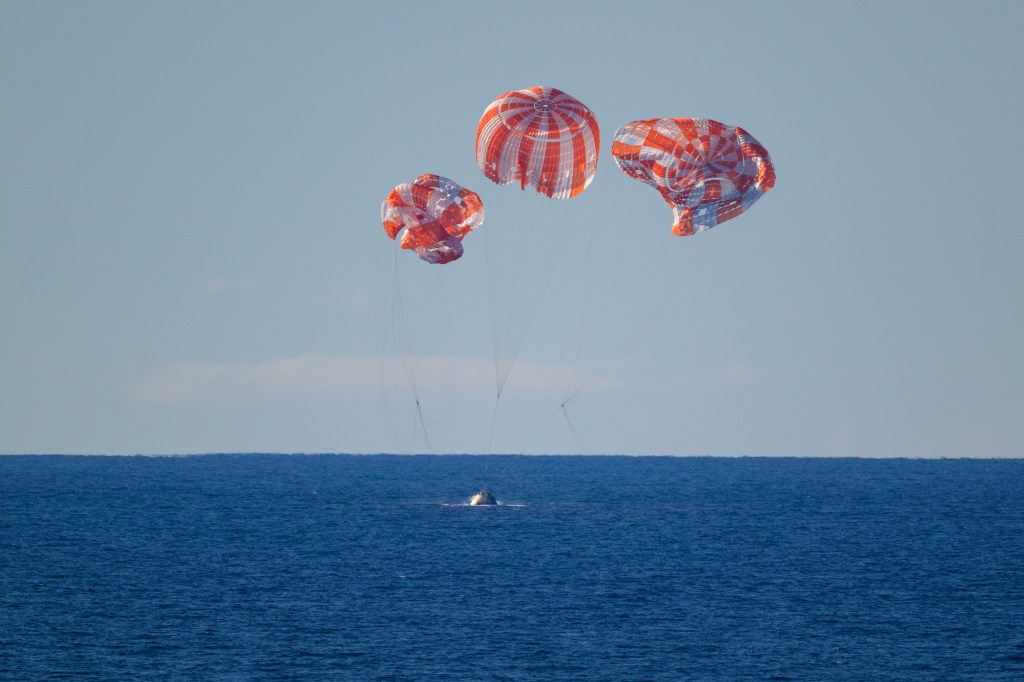
For the past two weeks, I’ve been enthralled with the broadcast of the flight of Artemis II, taking a crew of 4 astronauts for a “quick” trip out to the Moon and back over 10 days. At this time, they have safely returned to the Earth and the excitement has subsided. This crew travelled the furthest away from Earth of any humans, reaching 252,756 miles (as the crow flies). In doing so, they travelled a total of 700,237 miles around the Earth and the Moon and between them, again another record.
Over those 10 days, I relived the thrill I had as a kid when I watched the Apollo missions make their way to and onto the Moon. But there are so many differences in this half century since those flights, most of which relate to the experience we can share with the astronauts as they complete their mission.
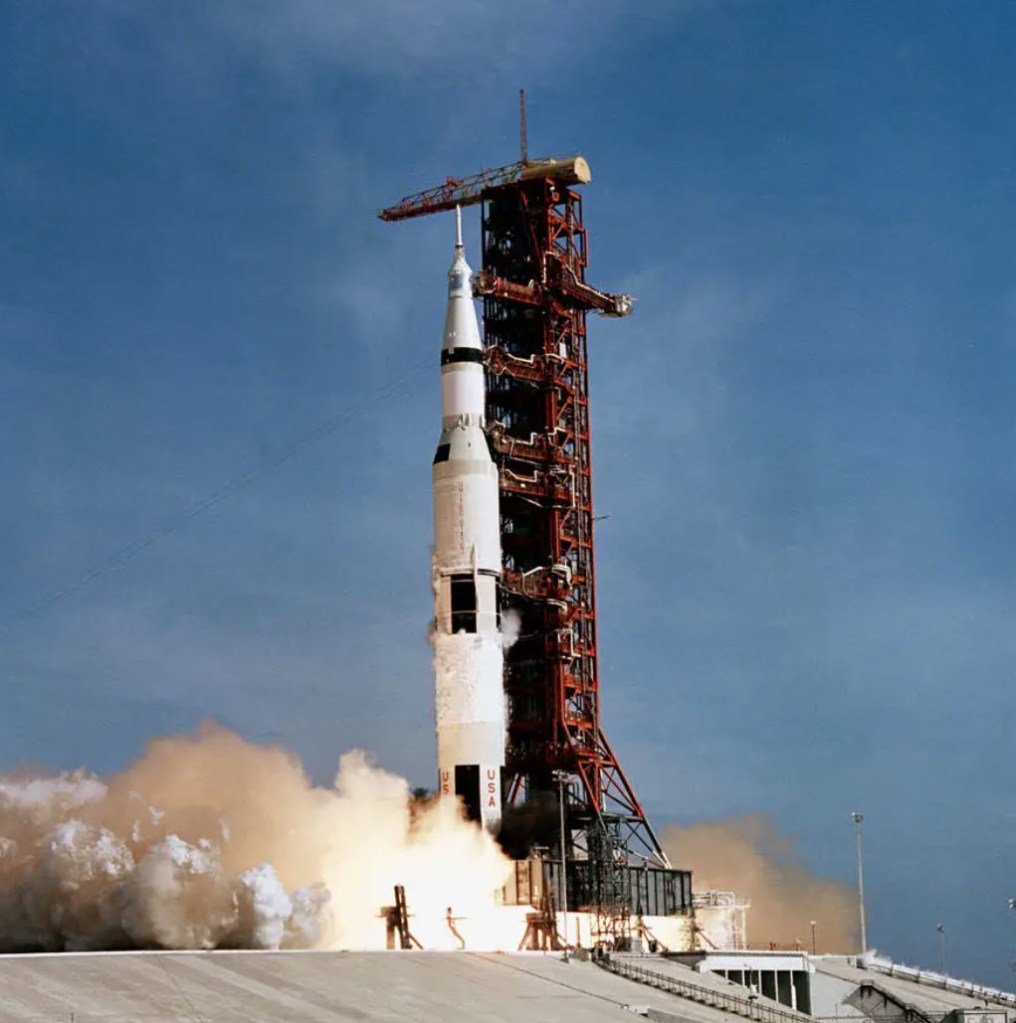
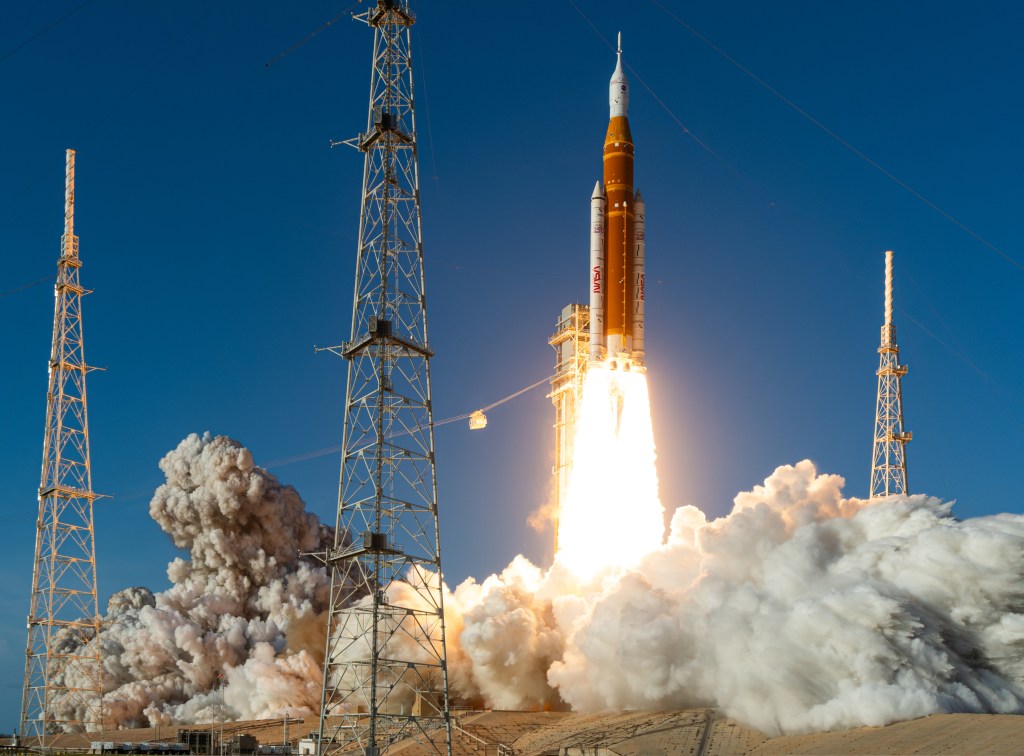
I’m so grateful that I’ve been around to experience both sets of events. I thought it might be interesting to look at how different these two experiences were from an observer’s and photographer’s perspective.
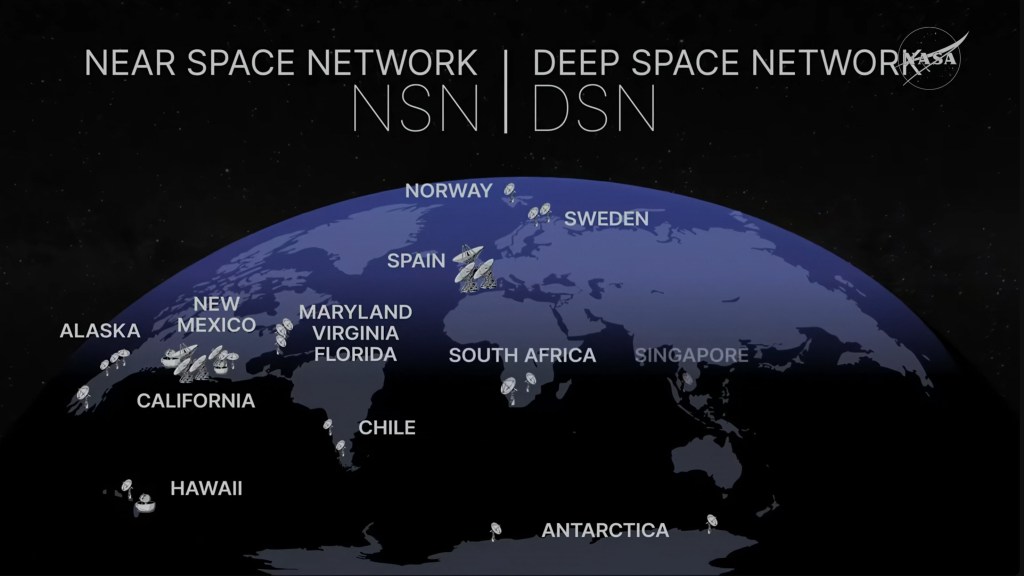
First and foremost of course is the exponential improvement in communication technology and in visual fidelity from that half century ago. You would think from all of your science fiction exposure that we could communicate instantly with anyone anywhere in space. Not so. Distance complicates things enormously, and frankly, we still rely on the radio transmission technology relayed through a network of ground based antennas we had 50 years ago in order to get the signals out there and back. Bandwidth associated with that network is still somewhat limited, even today. But the devices and equipment that send and receive those signals has improved enormously. I remember reading that the technology onboard the Apollo 11 spacecraft was less sophisticated than what we now have in our cellphones. Not any more. In fact, this flight is testing the first significant upgrade to that communications system – a laser-based optical communications system that would reduce the lag time back and forth from 4-5 seconds to 1 second. The biggest challenge is accurately pointing the laser.
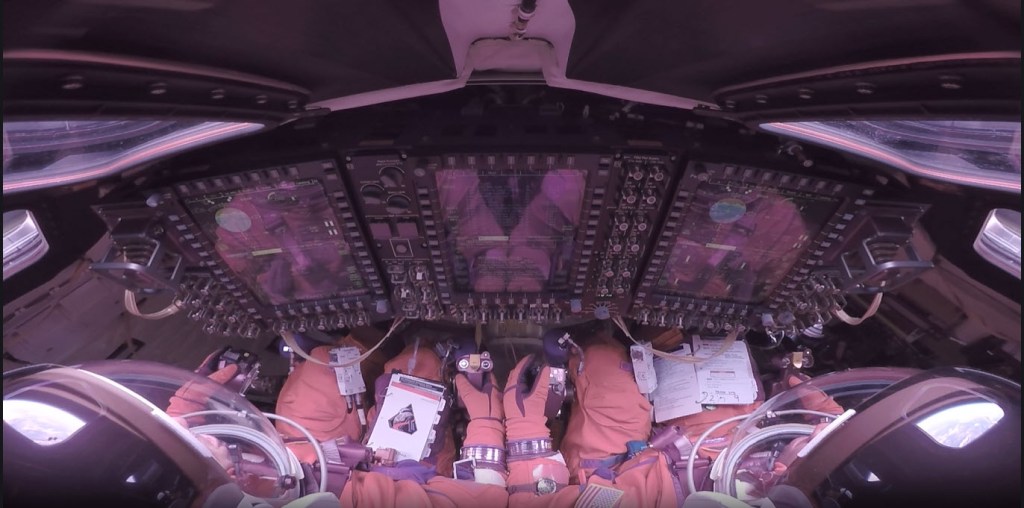
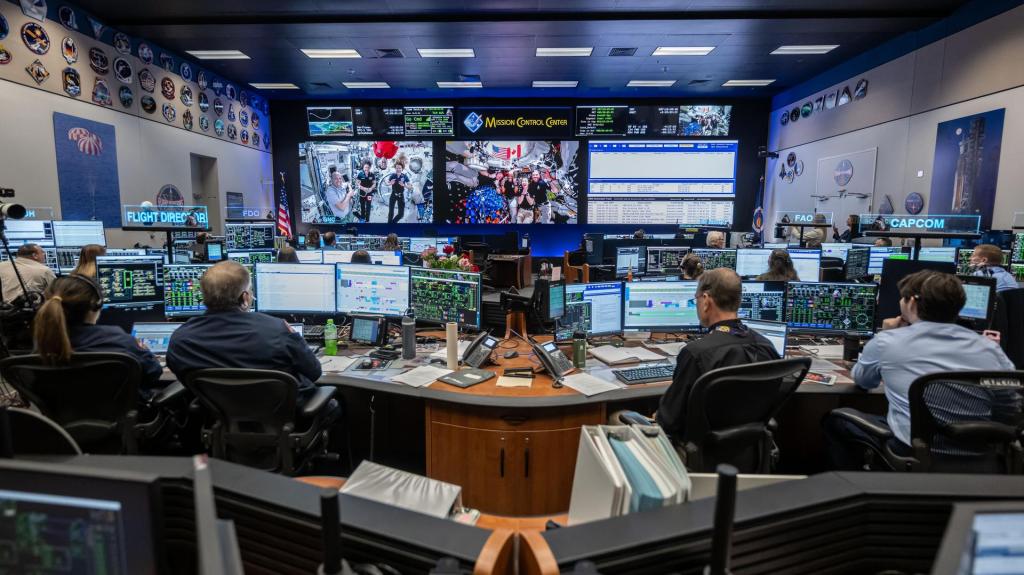
The improvements in our capacity to receive, process, store and share those fantastic images and video is no more apparent than the almost instant appearance of high resolution content on NASA’s websites and social media feeds as the mission achieved its major milestones of liftoff, circling the Moon and returning to Earth. Within a day, images from WAY OUT THERE were available in high resolution colour for all of us to see, download and share. But the mission team did have to make routine trade-offs in what data would get sent when in order to make the best use of the bandwidth available, fulfill mission objectives and entertain all of us.
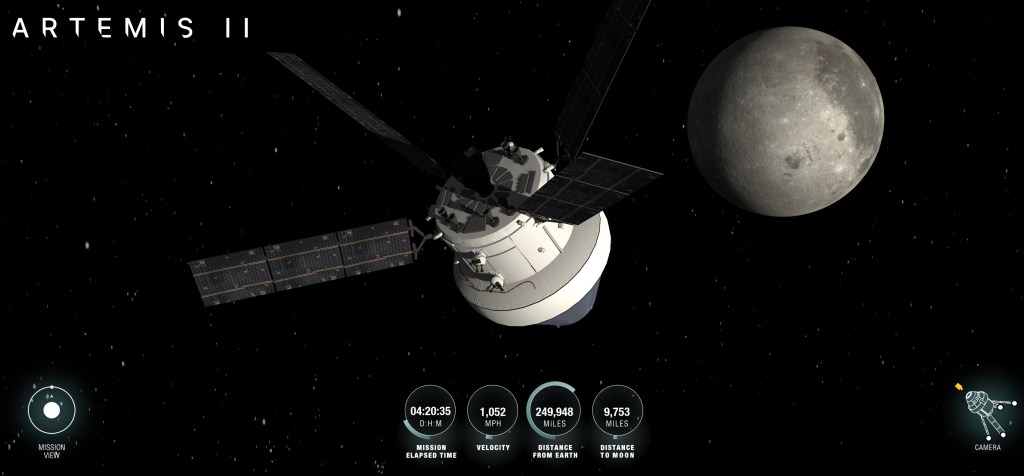
I guess that’s the next big thing – EVERYTHING is digital data now. Back in the Apollo days, images were taken on film, and processed on return. The cameras providing live feeds were monochrome, very low resolution and grainy, and devoted only to those momentous events like the first step on the Moon. This time, everything had a digital camera on it, from the spacecraft itself (many) inside and outside, to the crew, to the Moon and everything happening around it. Most of it was a live feed. Images taken of the Moon were all digital. Supplementing that was a series of digital simulations, showing EXACTLY where the spacecraft was at any moment, its orientation and any maneuvers executed. Every screen in Mission Control was the same – no more black/green screen with simple text on it – now we have detailed colour images of everything going on.
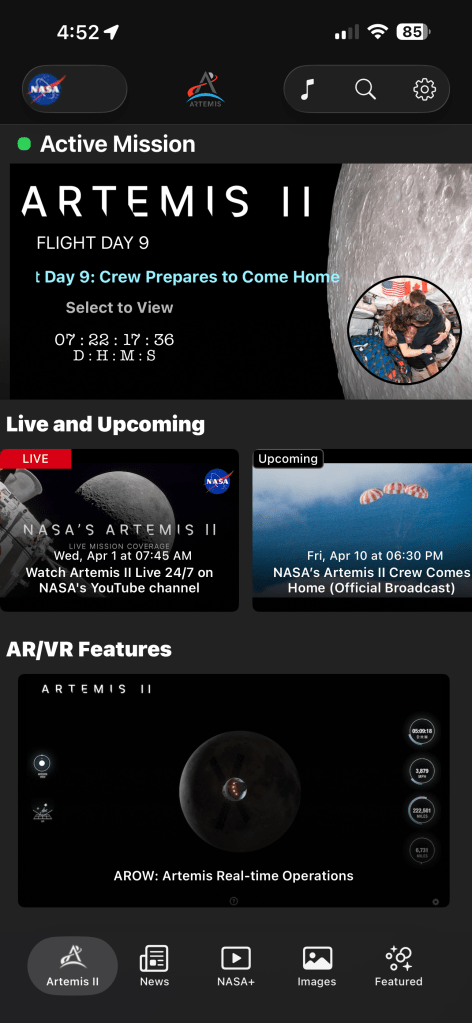
And unlike a half century ago, we didn’t have to gather in our living rooms or around the TV console in the local furniture store to see what was going on. We all have viewing devices now in our pockets, even if the small size of the screen perhaps compromises the wow factor a bit. Is that crazy or what? Now if only our medical system could see fit to finally abandon “fax machines”, we would be in heaven.
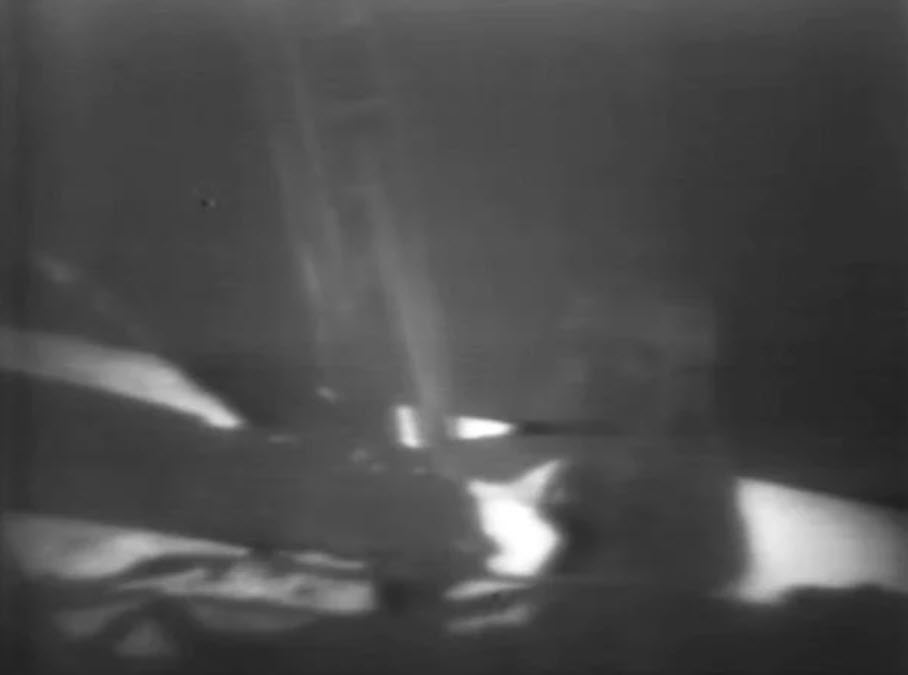
I distinctly remember sitting in my parents’ living room in 1969, glued to a grainy black and white image on a low resolution console TV that only recently had been updated to a colour TV. Of course, colour was not an option for Apollo, at least not for any live broadcast.
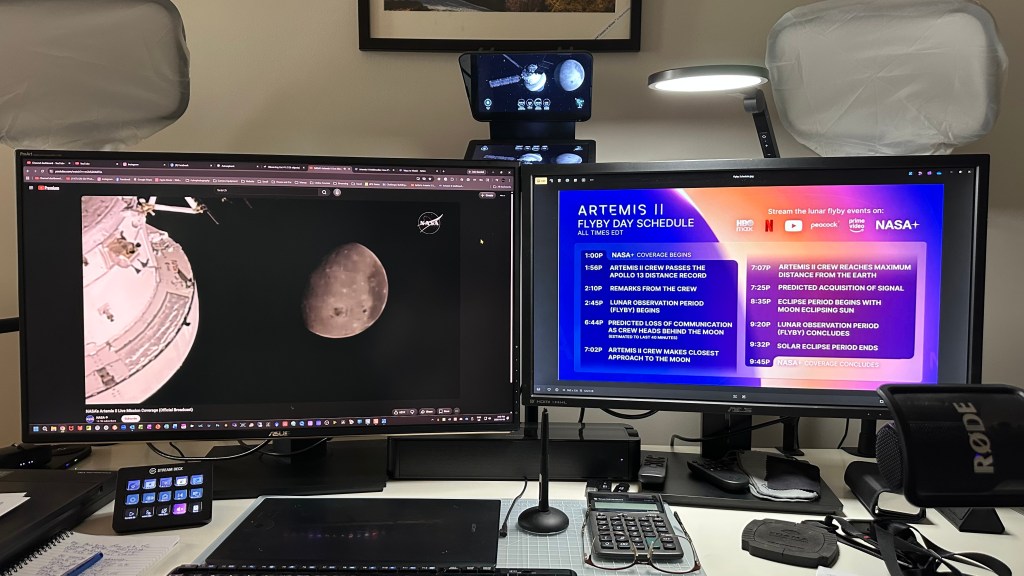
In contrast, my home office became my own “Mission Control” on this one, with three screens available to showcase everything. It was so cool following along with the mission progress and listening to all the chatter online.
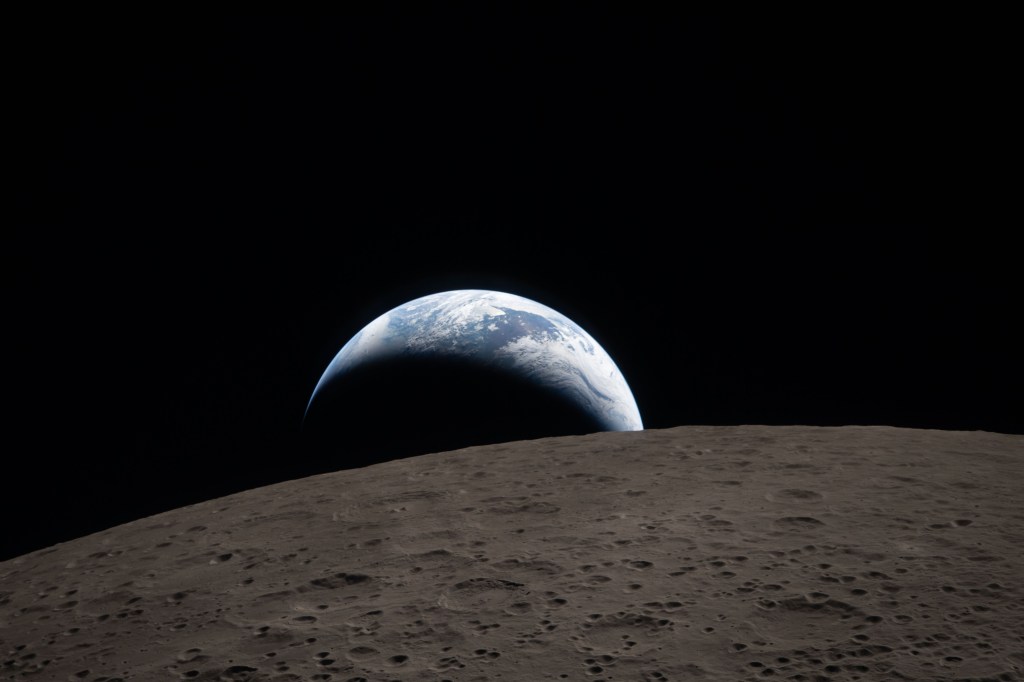
Surprisingly, the cameras used to capture the absolutely stunning images of the moon were NOT the latest and greatest tech. Instead, as was the theme for all aspects of the mission, this experience relied on tested, tried and true performers. The camera selection for much of the image and video capture was the Nikon D5, a camera initially released in 2016. It was used side by side with the Nikon Z9, a much more modern flagship. The images captured (of which we have not yet seen all) are truly magnificent, not only for the level of detail but for the new information now available about the Moon. One example here is “Earth Set” that complements the previous Apollo image of “Earth Rise”, where the Earth is in the background and the Moon the foreground.
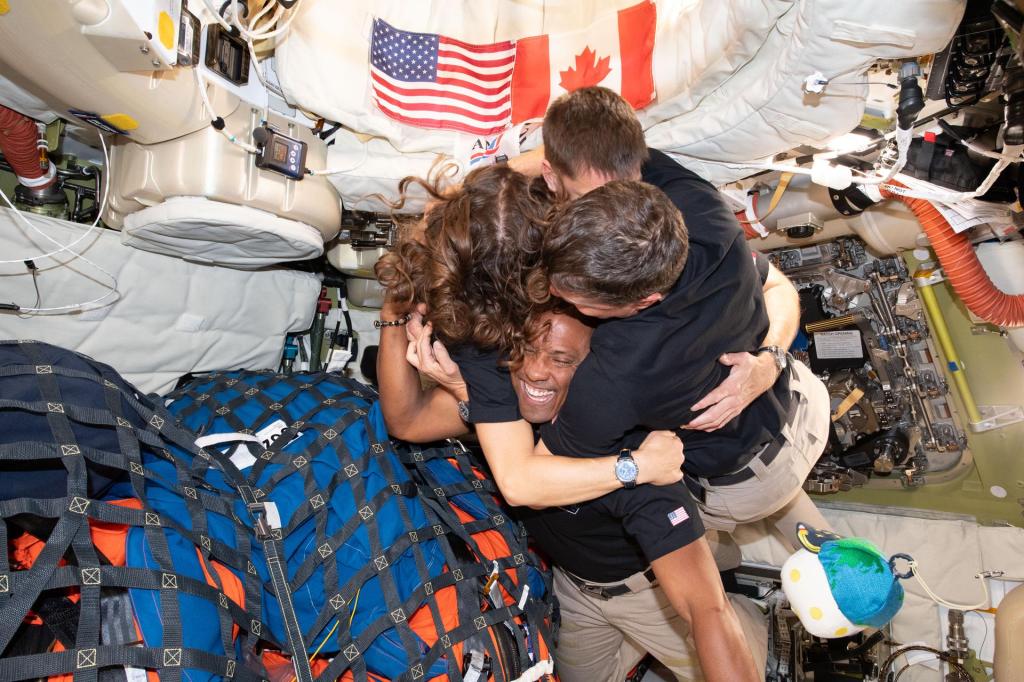
One other clearly different experience between Apollo and Artemis is the emotion evident in all of the people who have appeared publicly in this event. At one point, the crew offered a dedication of one of the new unnamed crater features on the Moon to the wife of the mission commander, Reid Weisman, whose wife Carroll, who had passed away from cancer in 2020. There was not a dry eye in the house. Expressions of joy, elation were routine occurrences on this mission, all done in the context of the professionalism and clearly evident technical expertise carried by all participants. Seeing them behave like kids again, discovering the next new thing, was phenomenal. Clearly a difference from the stoic, all-business interactions of the test pilots of Apollo 11.
And the amount of public outreach on this mission was equally notable. Lots of opportunities to talk with the astronauts, even to forward questions to them. They talked to reporters, politicians, members of the public, school kids. It was amazing. The communication skills of the crew were in obvious display, with each one of them offering detailed, articulate and thoughtful commentary on what they were experiencing. The “human element” as Jeremy Hansen’s wife noted, was truly on display. It was awesome.
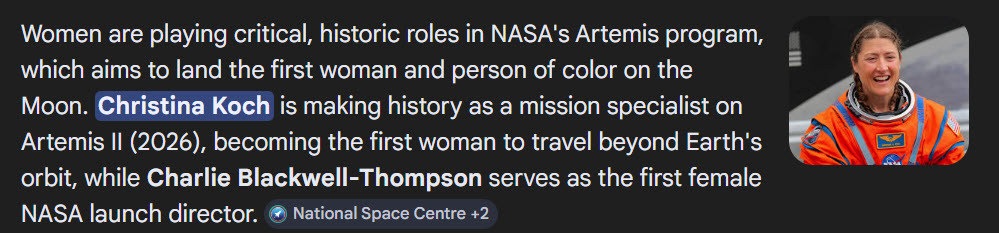
I have to conclude by saying the most impressive feature of these two weeks was the presence of women in all roles for this mission, including astronaut, NASA associate administrator, flight director, science lead and the many many roles that were previously/exclusively the domain of men during the Apollo missions. From a half century ago to today, there is no more impressive accomplishment than that. Even the interviews of family members showcased their accomplishments, for example, Jeremy Hansen’s wife, Catherine, is a physician that specializes in women’s health. Bravo to them all.
Our world is at a turning point. We can continue to celebrate accomplishments like this mission. We can live up to our potential as the dominant species and work collaboratively for a better world. Or we can take the stupid road of politics, conflict and destruction. To our world leaders, take note, we want you to do better. Do this collaborative stuff instead. Look at how much we can do together.