
This is the third entry in my series on my recent trip to Scotland and Ireland. As mentioned, this was a bus tour for senior travelers. We drove a lot, saw a lot and experienced a lot over 16 days. This entry is focused on Ireland, that beautiful green gem that has seen so much turmoil and strife in its time.

We took the ferry from Scotland to Ireland, waving a sad goodbye to Scotland but looking forward to the new adventure. With the change in venue and in our main tour guide, this segment of the trip was decidedly different than what we experienced in Scotland. Scotland was all about the moody charm of landscapes and citiscapes, with a lot of clan history thrown in. Ireland, for me, was about its people and culture, and focused more on lived experiences than on land, brick and mortar. There is lots of ancient history here to, of course, but this segment of our trip seemed confined to the more recent past.
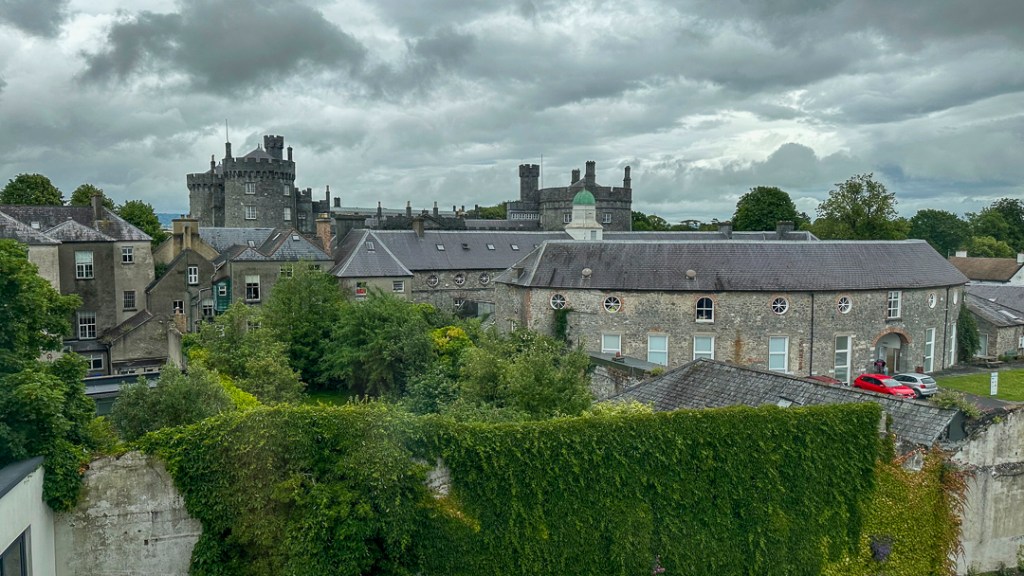
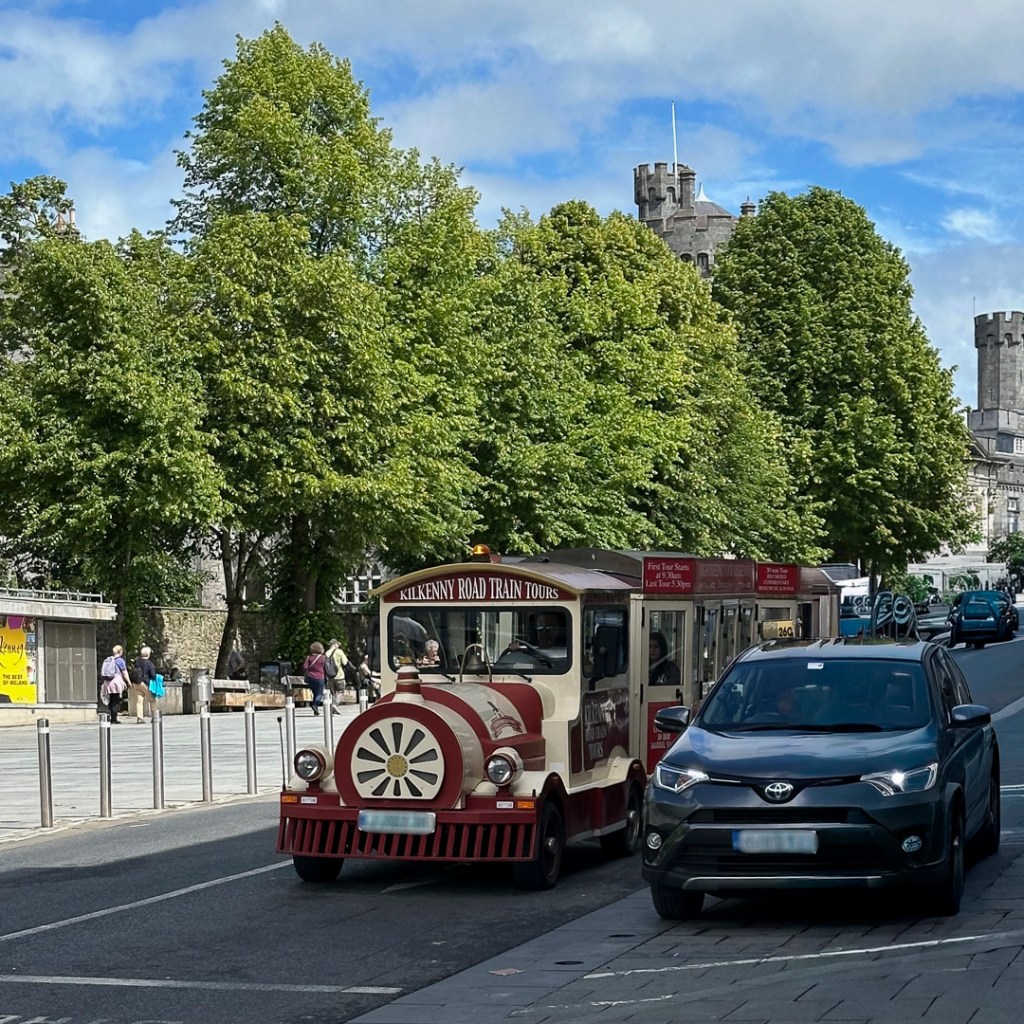
That said, I have to say it was very cool to see the towers of a 13th century castle through my hotel room window in Kilkenny.
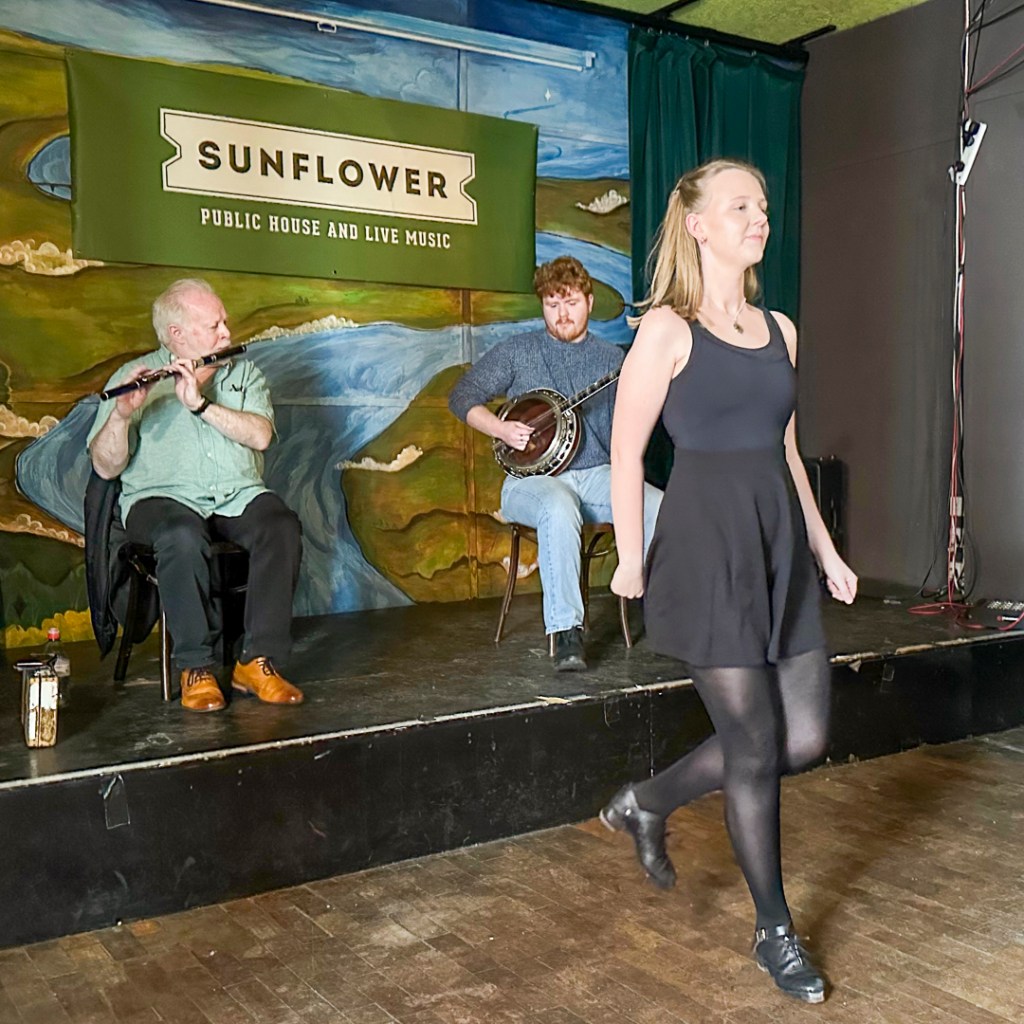
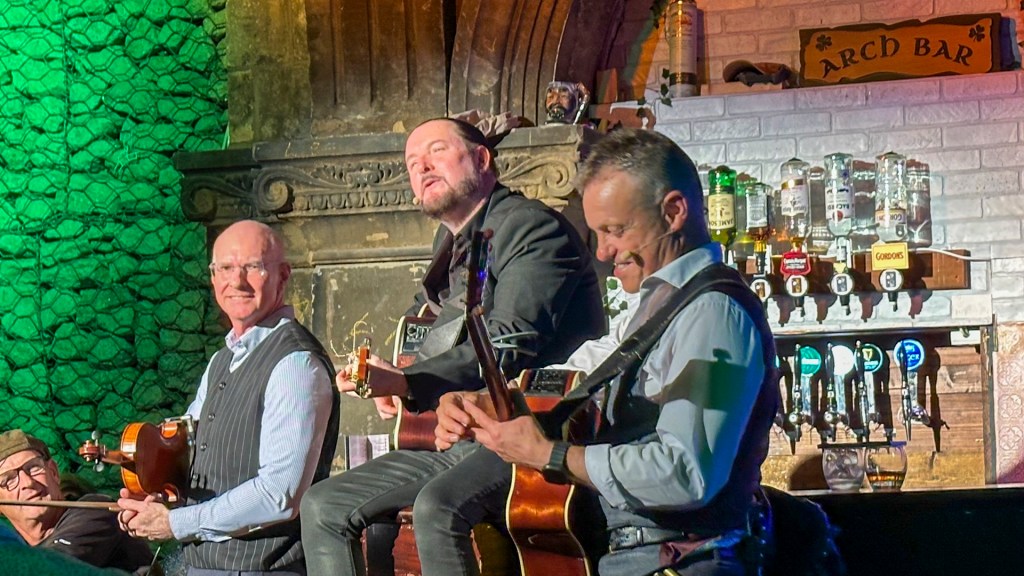
Our very first introduction to Ireland was in Belfast, with a short walk from hotel to pub, where I sampled by first true Guinness, followed by an afternoon of Irish music and dance.
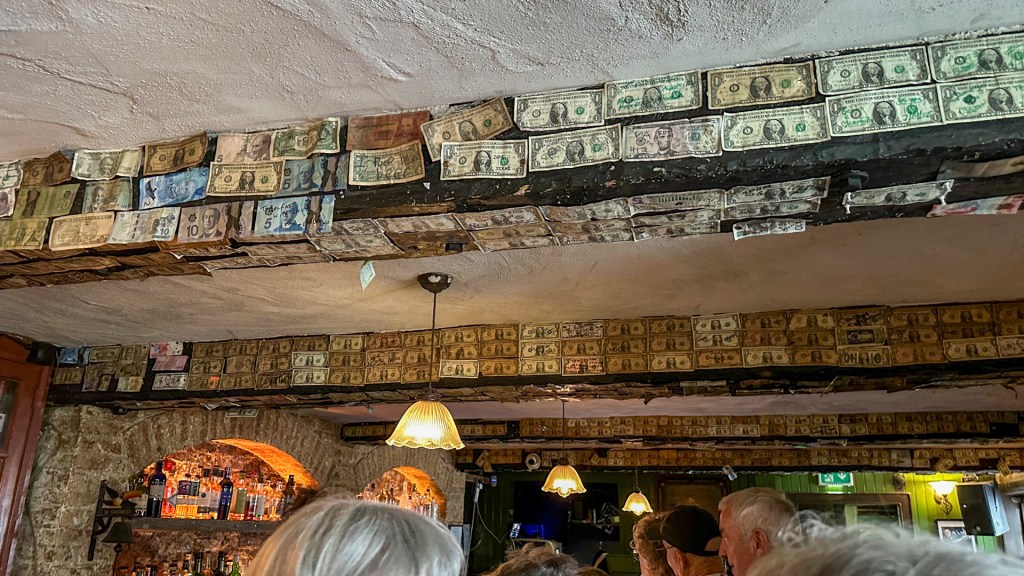
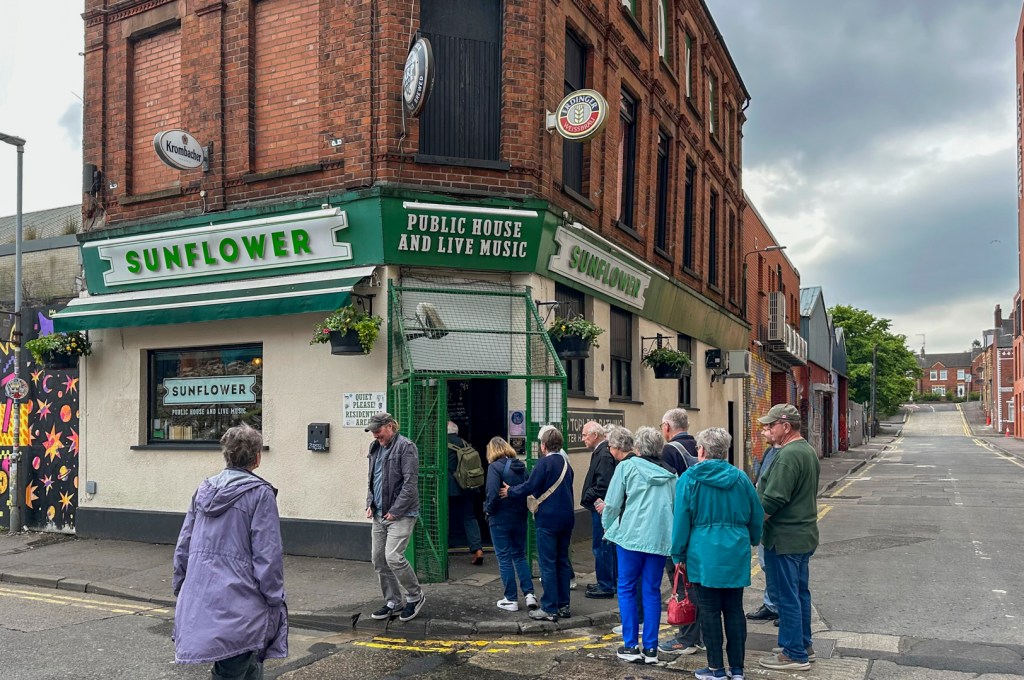
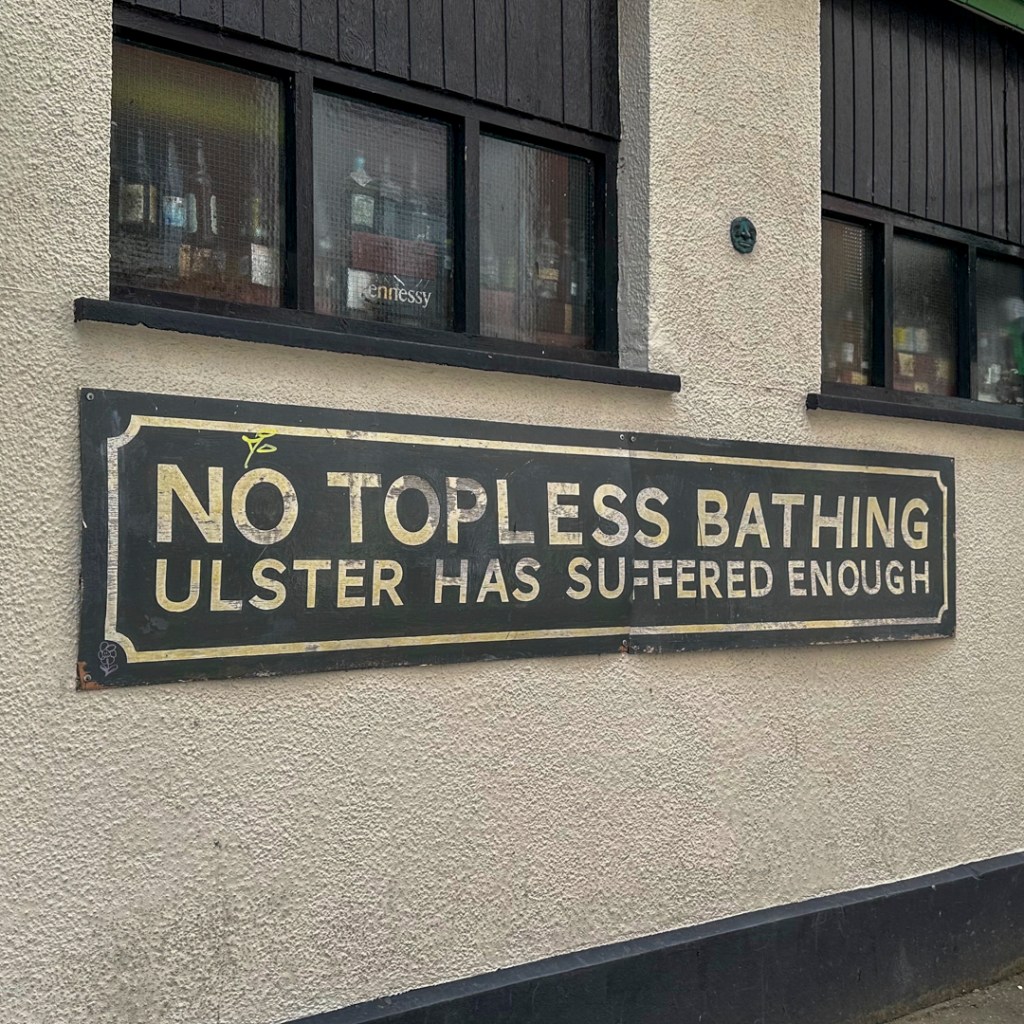
Like Scotland, we had the opportunity to attend prearranged shows, in this case, to experience the music, food and culture of Ireland. Music is a key ingredient to Irish culture, being part of almost every gathering, as both planned and spontaneous additions. Those who learn the wide variety of Irish reels, jigs, slip jigs, hornpipes and polkas apparently do so without ever referring to written music, instead learning by listening and playing along with whoever might turn up. Every piece is a tribute to rhythm and movement, enticing you to get up and join in. Ballads do play a role (eg. Danny Boy) but tend to be reserved to solemn occasions and not the local pub scene. It was very tough not to leap up and join in. Some of my travel mates did.
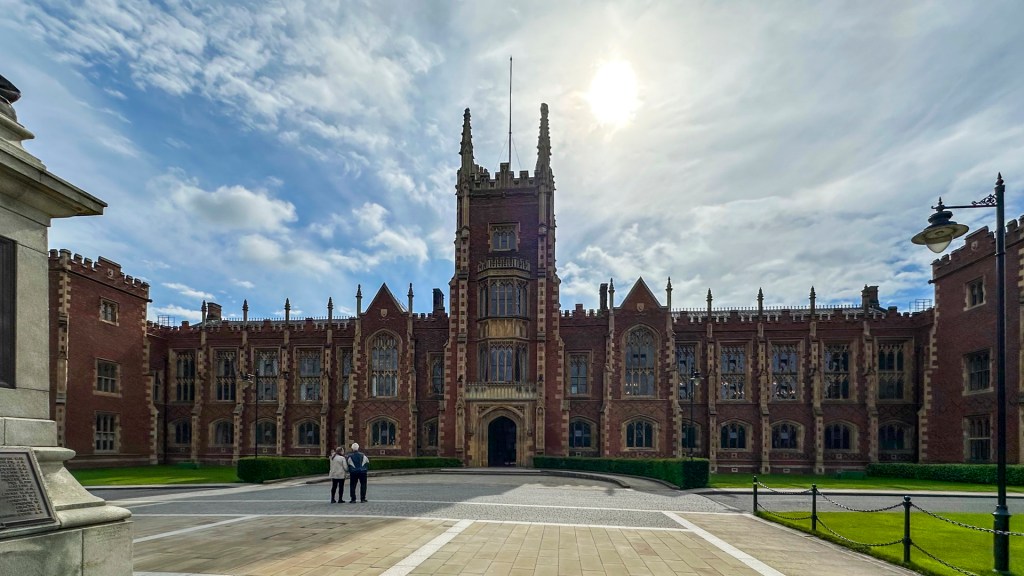
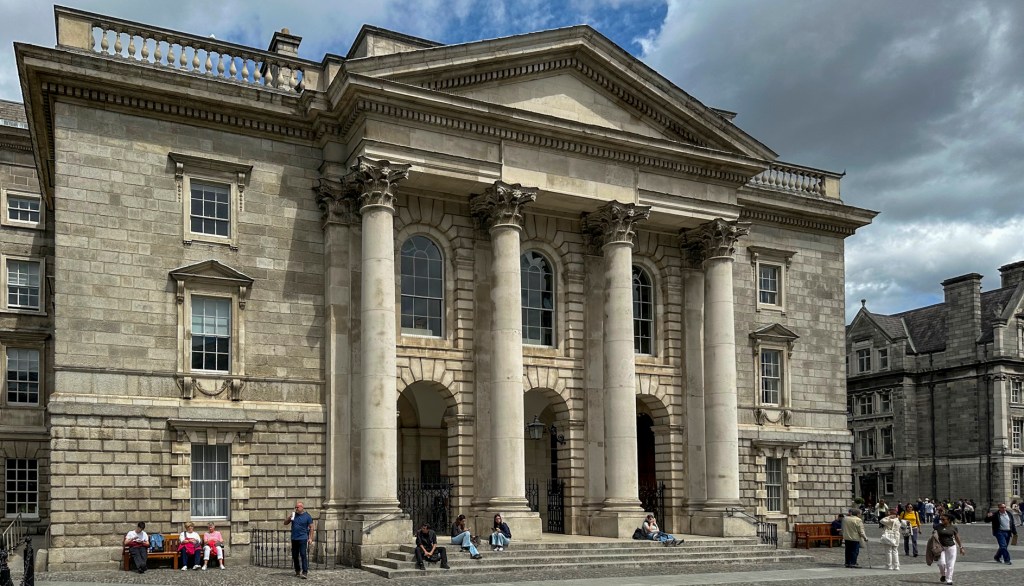
Higher education was also prominently profiled in our travels, with visits to two historic campuses: Trinity College, Dublin and Queen’s University, Belfast. Interestingly, Queen’s is partnered with our like-named university here in Ontario, also called Queen’s University. They share programs, exchange students and work collectively to broaden the experiences of young minds.
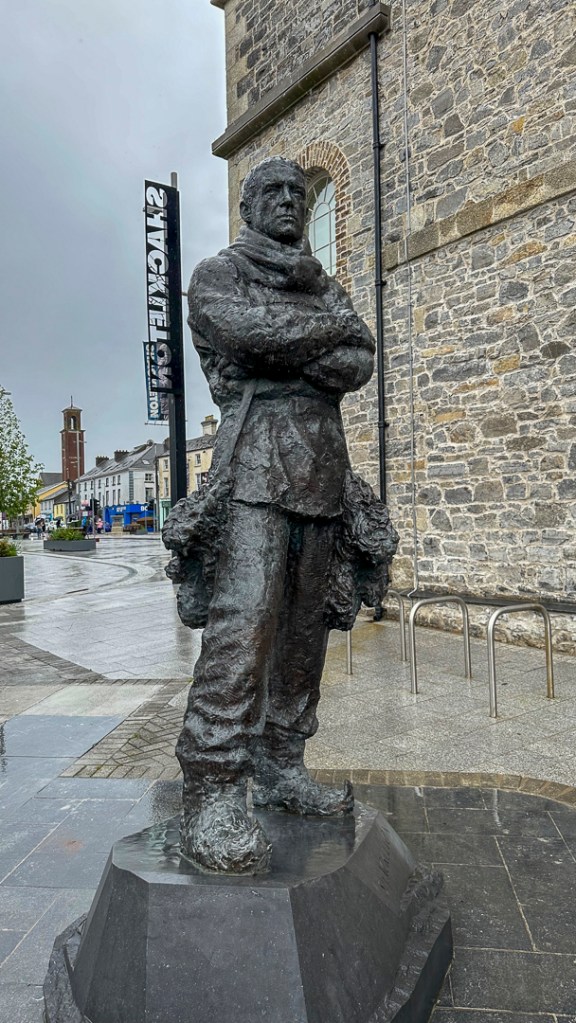
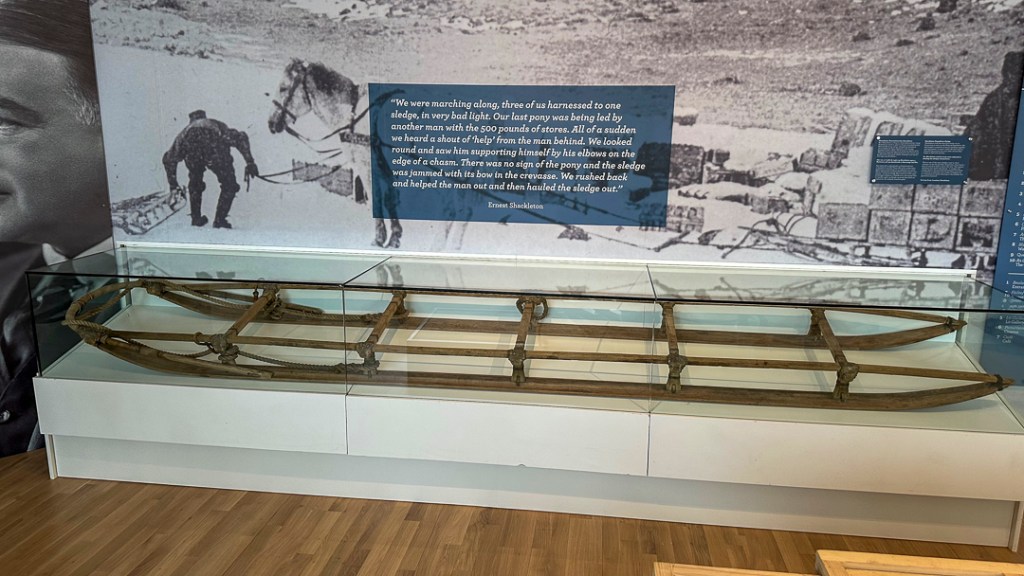
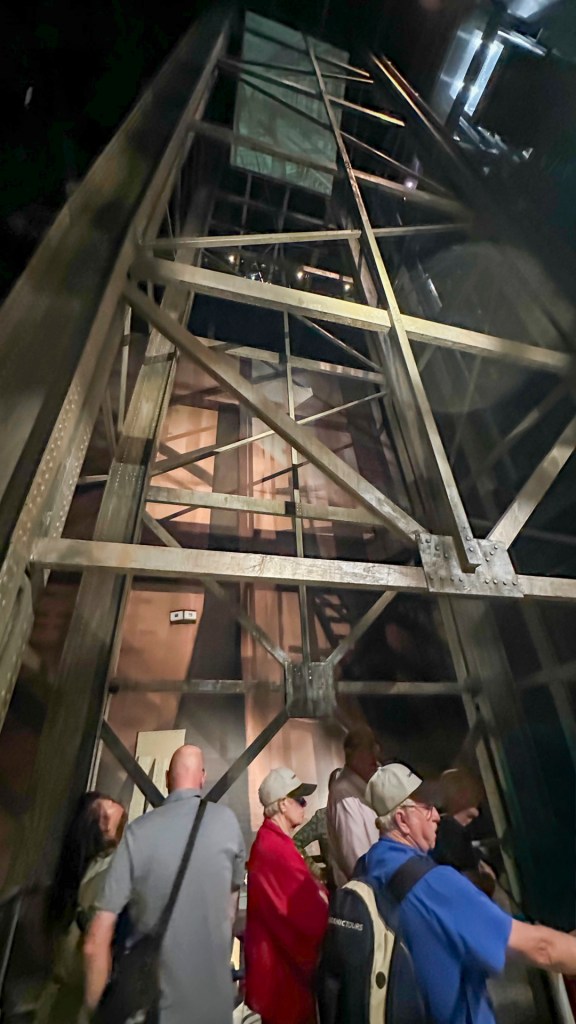
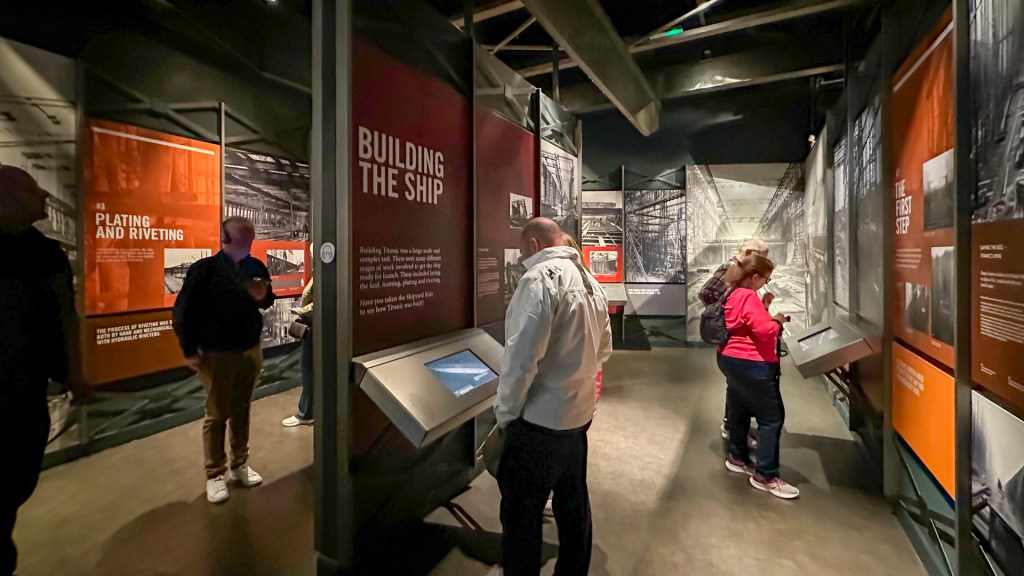
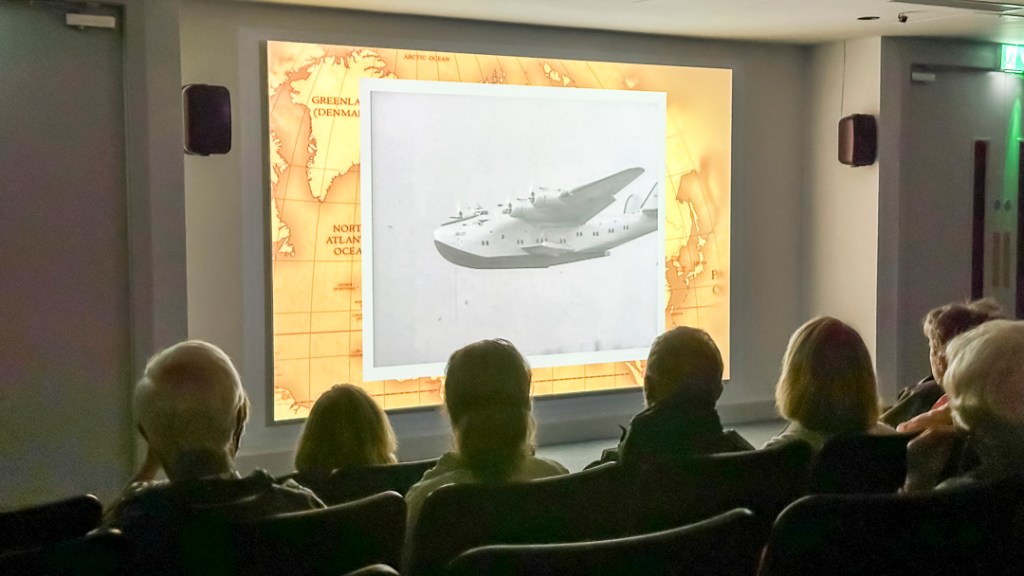
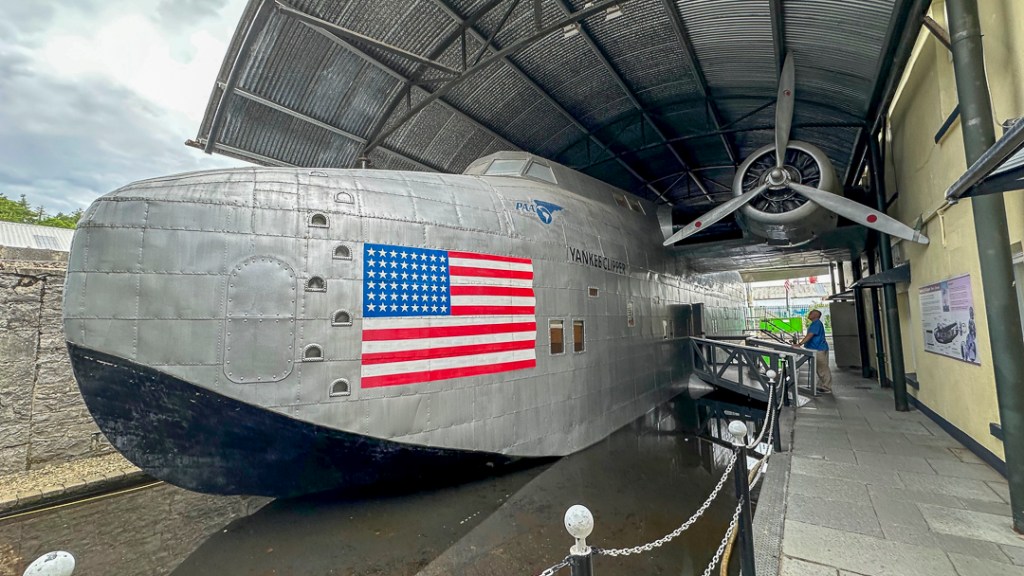
The Irish have been involved with shipbuilding and the sea for centuries. We experienced some of that with visits to the Earnest Shackleton Exhibition and the Titanic Museum. Shackleton was famous for his attempts to be the first to reach the South Pole in 1915, having his ship crushed by sea ice and all 27 of his crew surviving a horrid winter on the ice. And of course, the Titanic is the ship that sank on April 15, 1915 on its maiden voyage. It was built in Belfast, Ireland. It was interesting seeing artefacts from each of these endeavours. And we also visited the Flying Boat Museum in Foynes, where some of the first transatlantic commercial airplanes were built and from which the flights originated. At first, they were all seaplanes, taking off and landing on water, which limited their weight and the number of passengers they could carry (around 20). It took 30 hours to cross the Atlantic (yikes!).
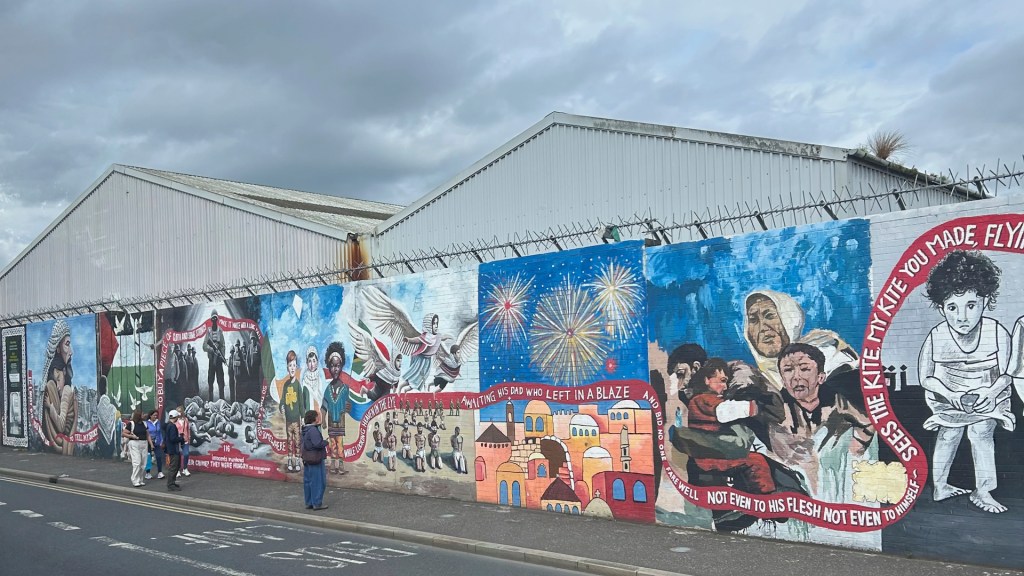
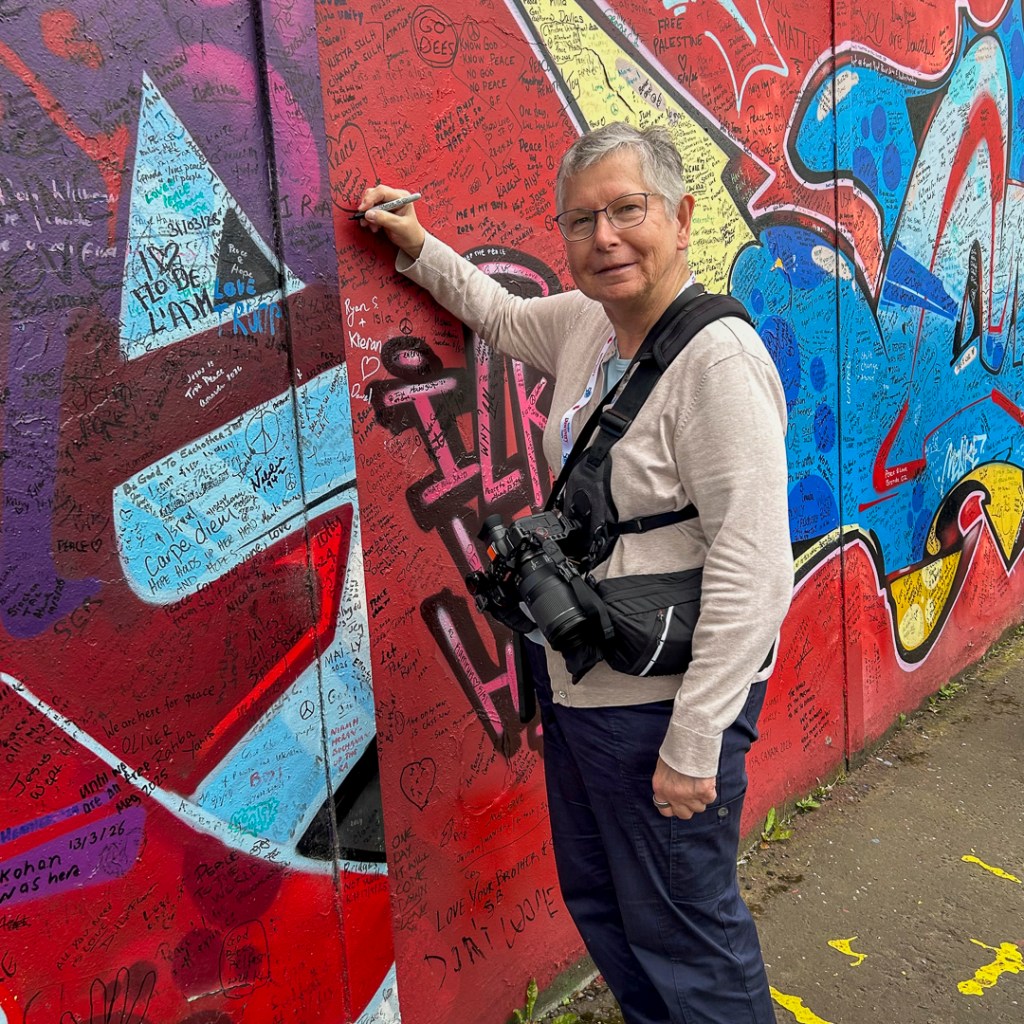
All around the cities of Ireland, there are memorials to events of the past. Some of the most prominent are the Peace Walls in Belfast. Google notes that the walls are: “a series of separation barriers dividing Catholic nationalist and Protestant unionist neighborhoods in Northern Ireland. Originally built in 1969 during the civil unrest of “The Troubles,” over 60 barriers now stretch across 34 kilometers (21 miles) of the city.” Most of us outsiders thought it was a religious conflict. Not so. It was all about whether to sever or continue ties with Great Britain. It just happened to be divided along religious lines and neighbourhoods. These walls are now being removed, but can be signed by people like me to encourage reasonable people to do reasonable things. Amazing how past conflicts don’t matter eventually.
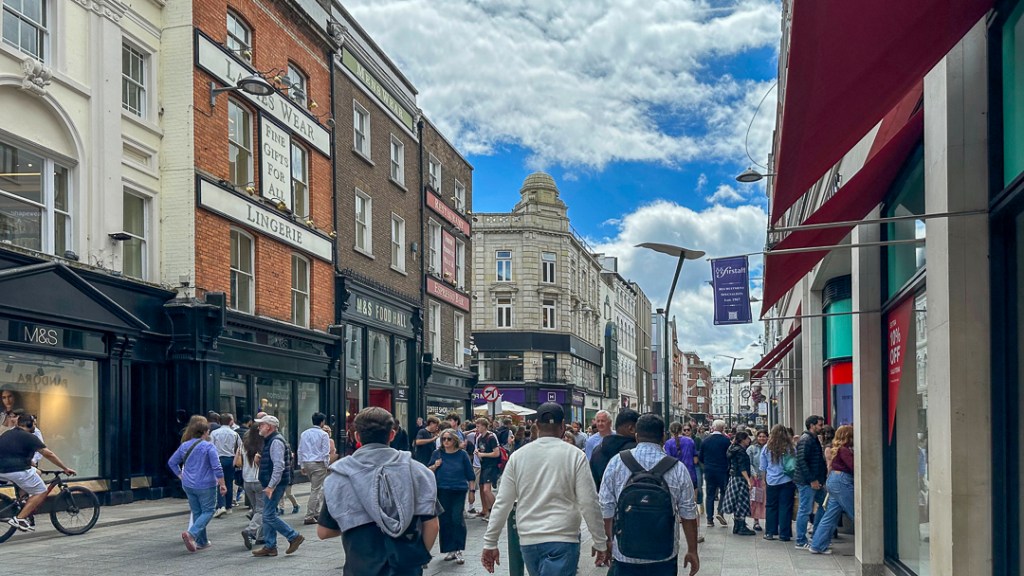
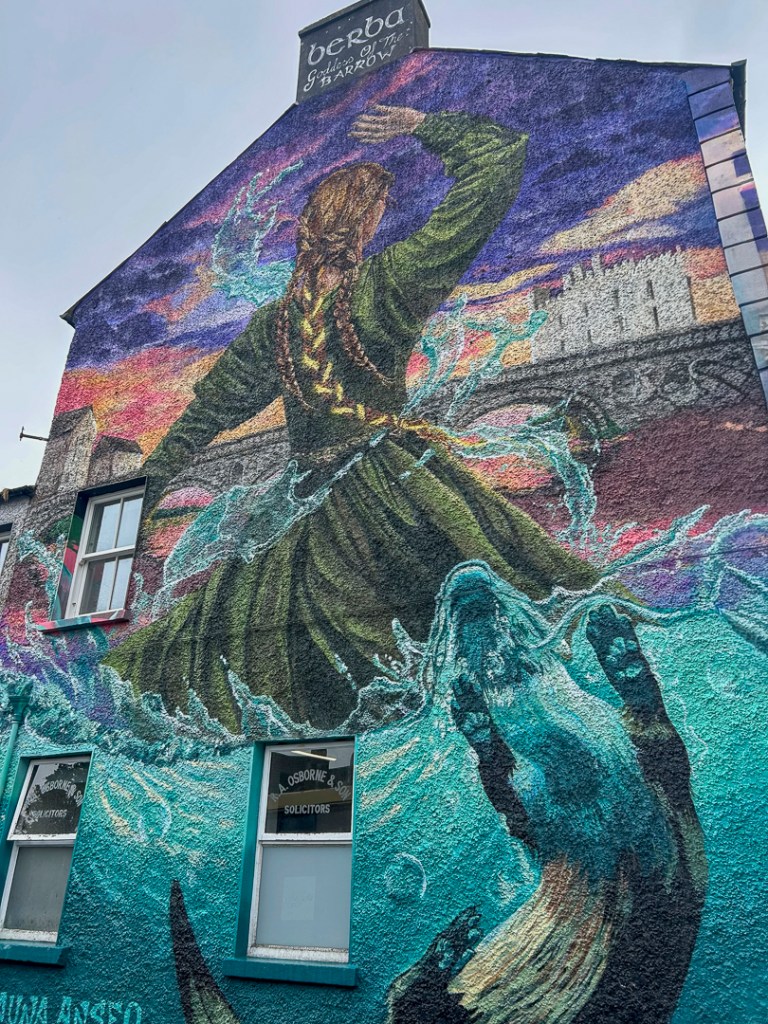
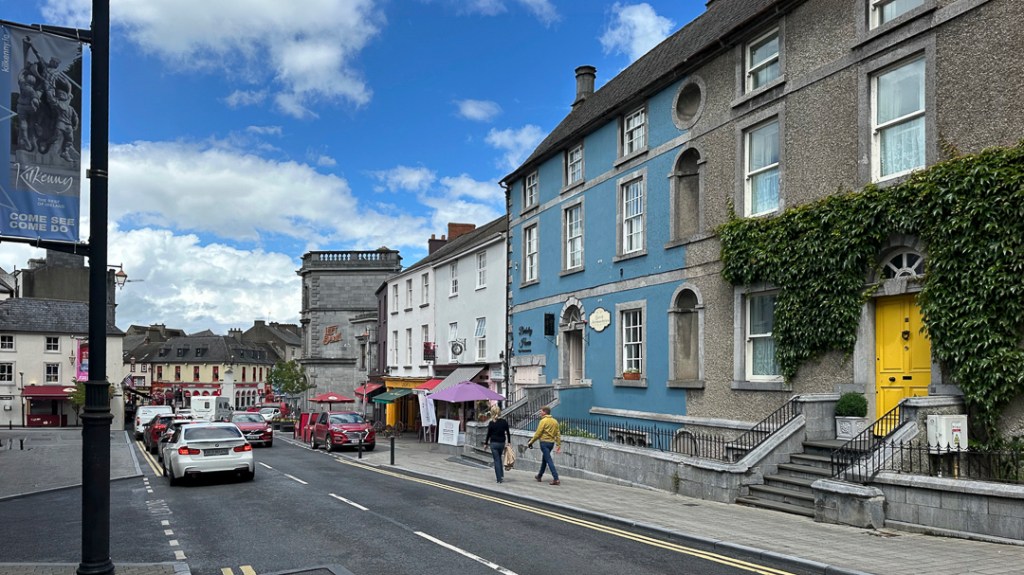
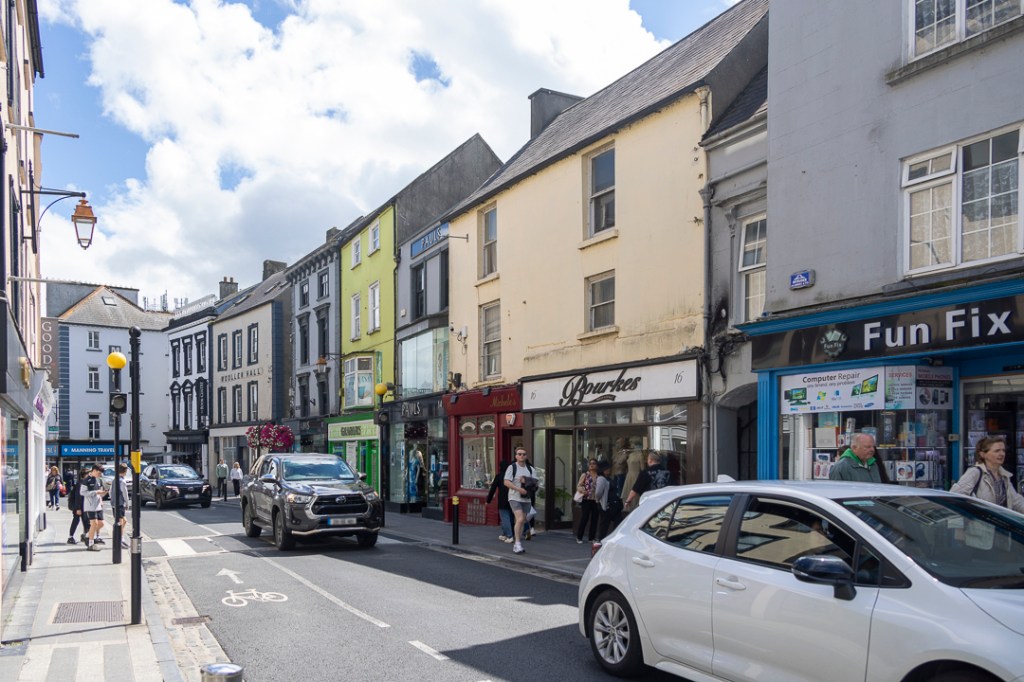
Tourism is a key industry in both countries, but that was very apparent in Ireland. All of our stops were very much meant to interact with us in some way, and certainly designed to entice us to linger, sample the wears and make those purchases. But the tone of the locations we visited also impressed me, with bright vibrant colours on the buildings, along with graphics and murals everywhere. Quite different from the more sombre, historically focused sites we saw in Scotland. It is a unique challenge to squeeze as many tourists as possible into areas originally built only wide enough to accommodate carts and carriages, but it was handled well. Not sure all the drivers, including our own bus tour guide, would agree with that though.
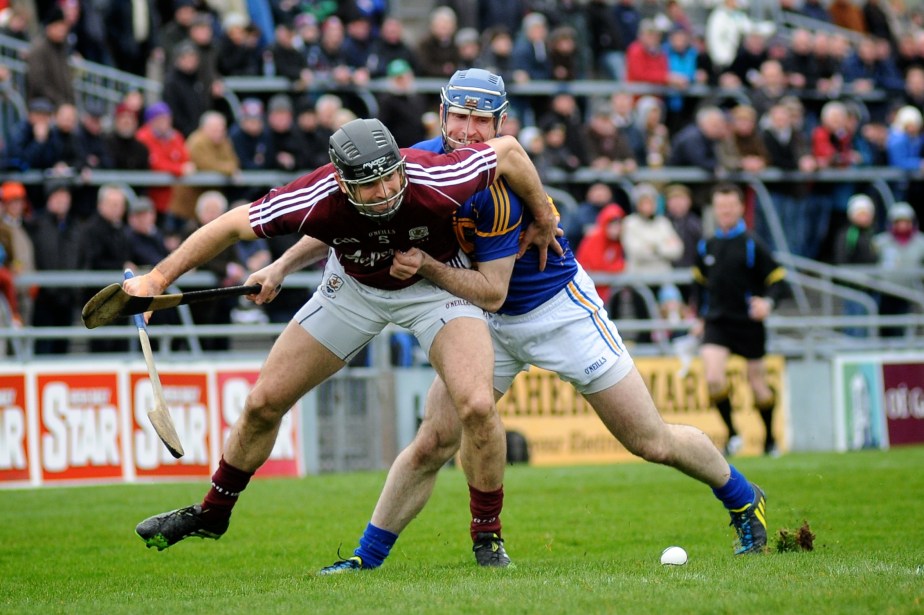
Every country develops its own forms of entertainment and its own sports. By far, the most unusual sport I have ever seen is practiced in Ireland – the sport of hurling. It is a cross between soccer, field hockey, lacrosse and rugby – aspects of each can be seen in this sport. It involves 15 players per side on a soccer sized field using a flat stick to lift, partially carry, then smash a hard ball into or OVER a soccer sized net guarded by a goalie – points can be scored either way. Players wear helmets with masks as their only protection and can bump, push and tackle each other to gain possession of the ball. It is a very popular sport, played by all ages, and the leading players, although not highly compensated, are considered heroes in the country and are swarmed at events. I watched one match – no photographs though – and honestly have never seen anything like it.
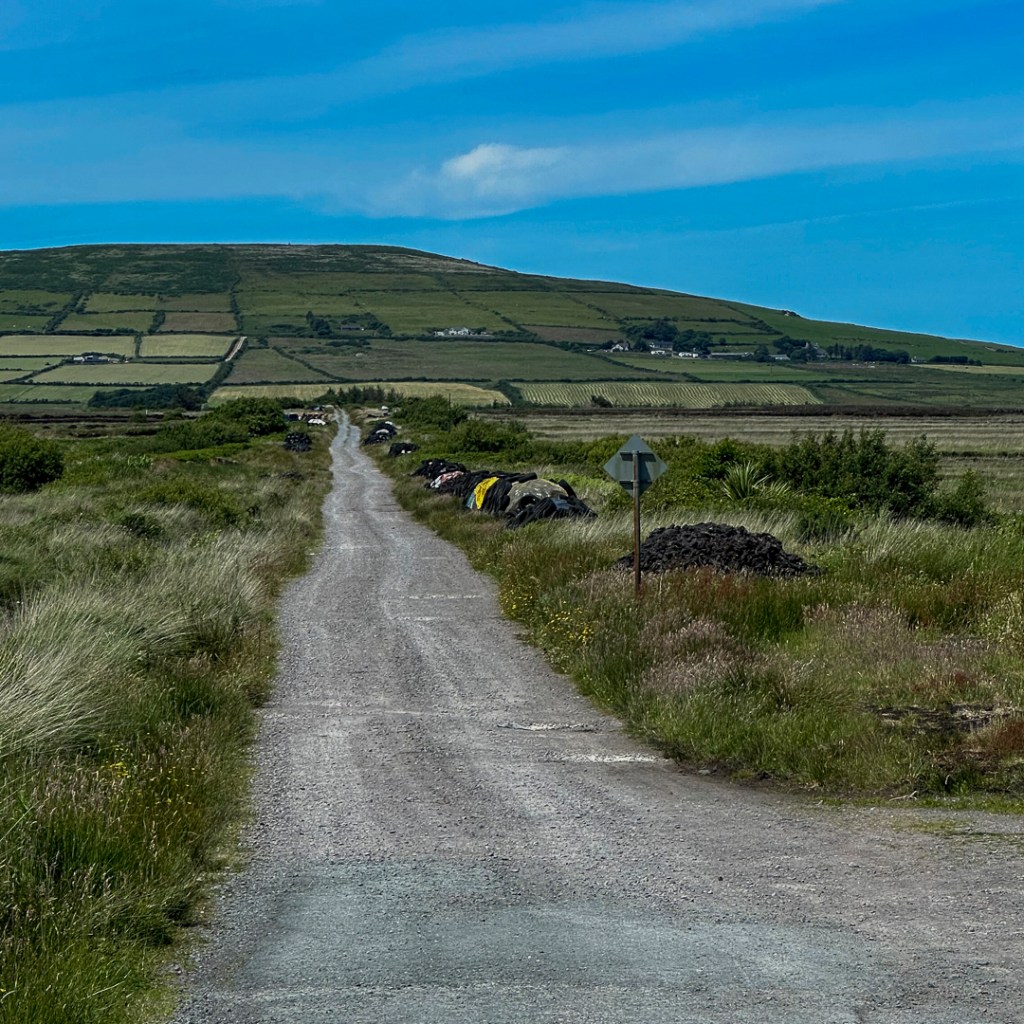
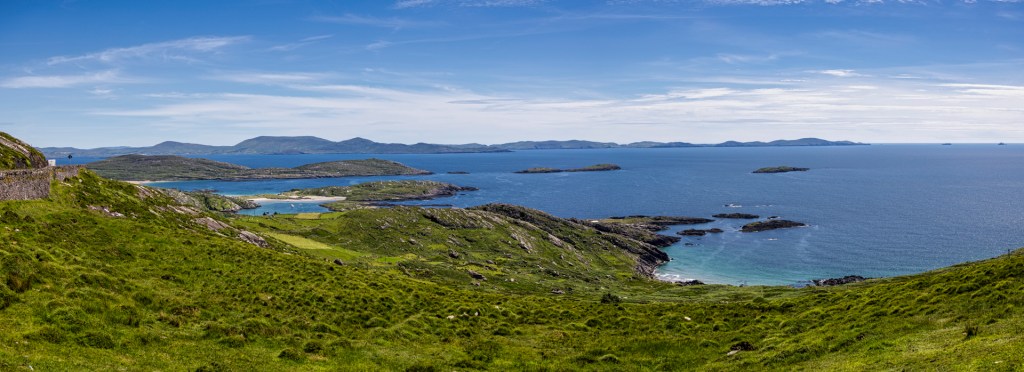
As you might expect, one of my main interests was the countryside and it did not disappoint. Ireland is the emerald isle for good reason. I have never seen such lush greenery, dense, fresh, and continuous. Scotland was craggy, hilly, and full of northern species of plants. Scotland is all about sheep and cattle. Ireland is about agriculture. There were livestock in the south though, and we were treated to a demonstration of sheepdog herding skills (which I caught in a timelapse seen here), but by far, Ireland is about the land. Not only planting and harvesting crops, but harvesting peat as well (used for heating).
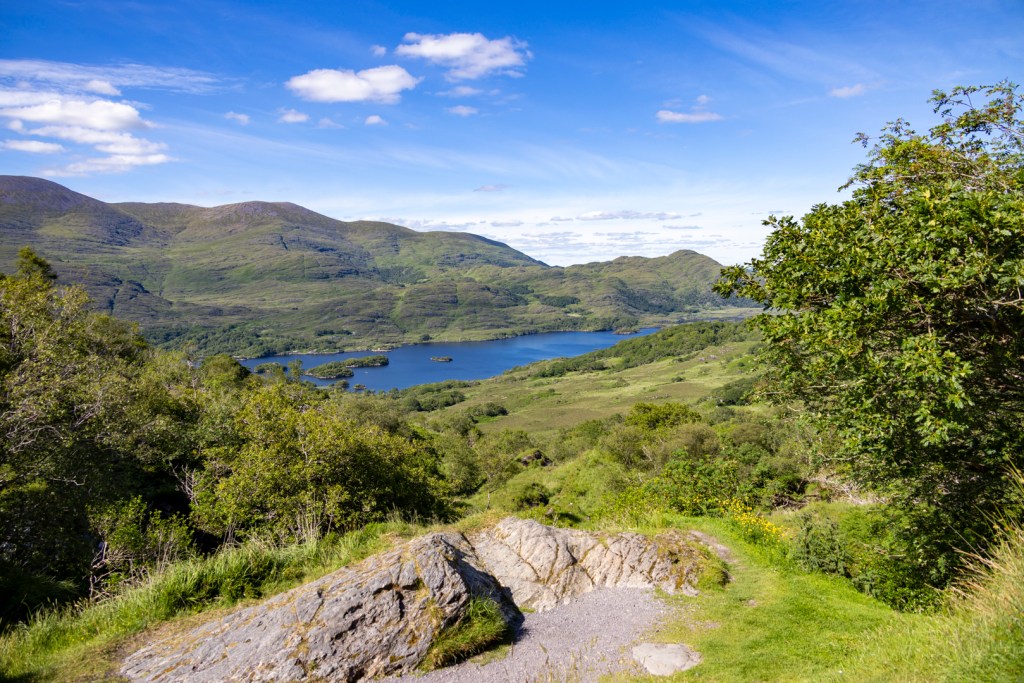
Whether it is a manicured estate, farmland, or the countryside, the beauty of this land is evident everywhere. There is a scenic loop in the south called the Ring of Kerry, described by Google this way: “The Ring of Kerry is a famous 179-kilometer (111-mile) circular scenic driving route around the Iveragh Peninsula in County Kerry, southwestern Ireland, featuring key stops like Killarney, Kenmare, and Torc Waterfall.” It also features some pretty high hilltops, with narrow winding roads that come awfully close to the edge. Our driver navigated them flawlessly.
To close, a few comments on the people I met and my observations of life in Ireland. It may be a bit skewed by the fact that we were immersed in a tourist environment, but I suspect it’s generally true too.
One aspect of the culture that I found so very appealing is the lack of focus on political correctness. People in both Scotland and Ireland were honest, open, told you what they thought without trying to couch their opinions in the gobble speak of the day. Anyone I met had clear strong views on almost any subject, but never tried to impose those views on me. They respected cultural differences but always told you where they stood, in plain, clear language. I loved that so much.
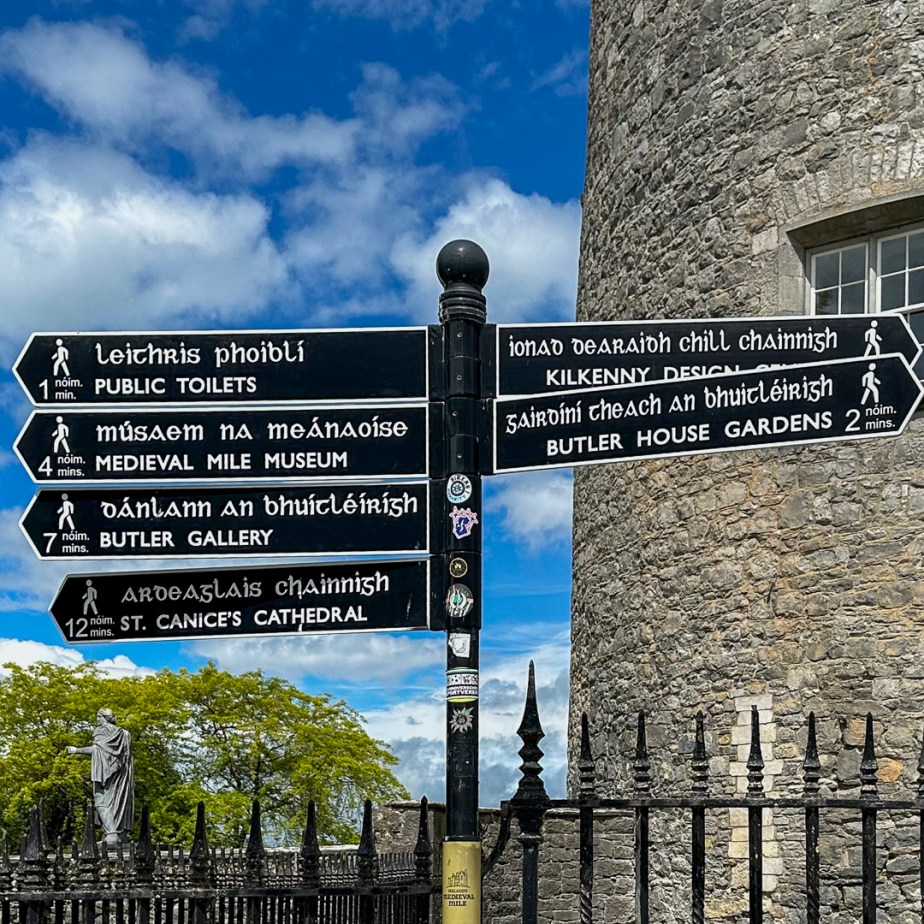
Another aspect that struck me was the obvious pride in their heritage in both countries, evident through things as simple as the clothing being worn or the use of Irish Gaeilge on road signs and public buildings in Ireland. The native language permeates all aspects of life, even if English is the main language of life and commerce.
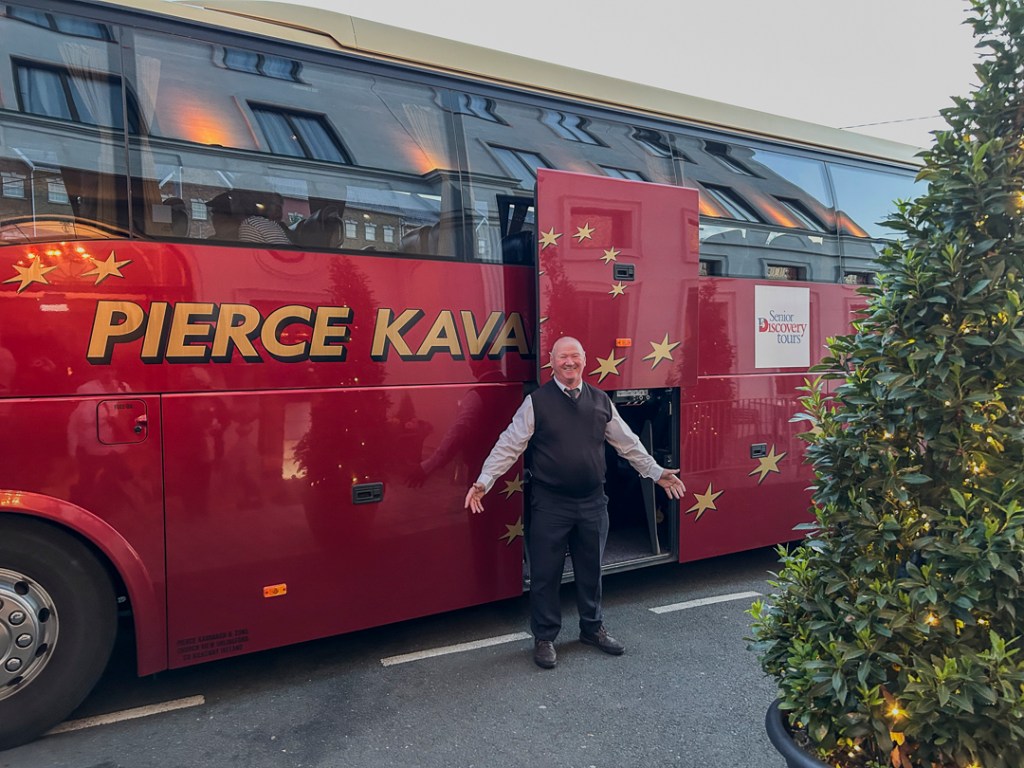
Despite all the past hostility, it also seems to be the nature of the Irish to form deep friendships and to help each other through all of life’s struggles, big and small. Most of us here in North America might know our next door neighbours, and maybe be part of a community group or group related to our kids schools, but we generally keep to ourselves. Our tour guide not only knew every person in his village of 600, but he spoke with genuine affection about them. He was friends with all the business owners we met on our journey, and most of the other bus tour drivers too. They all helped and looked after each other. He shared stories of his own family and treated us like we were part of it, listening to our stories too. Heck, all the drivers were even friendly on the roads, waving each other through on the former narrow cowpaths or on town streets, and sticking to their lanes and speed limits on the highways. NEVER did I see anyone cut anyone off or yell at them, although a few “polite” remarks under his breath did escape our driver’s lips from time to time. And the big bear hug I got when I said goodbye confirmed that I was now part of that circle of friends. That is by far my best memory of Ireland.
I loved my time in both countries and will miss them and the people I met. But new adventures await and I look forward to sharing those with you. To see the full gallery of Ireland images, go to: Ireland (Jun 2026).
 oldgirlphotography.ca
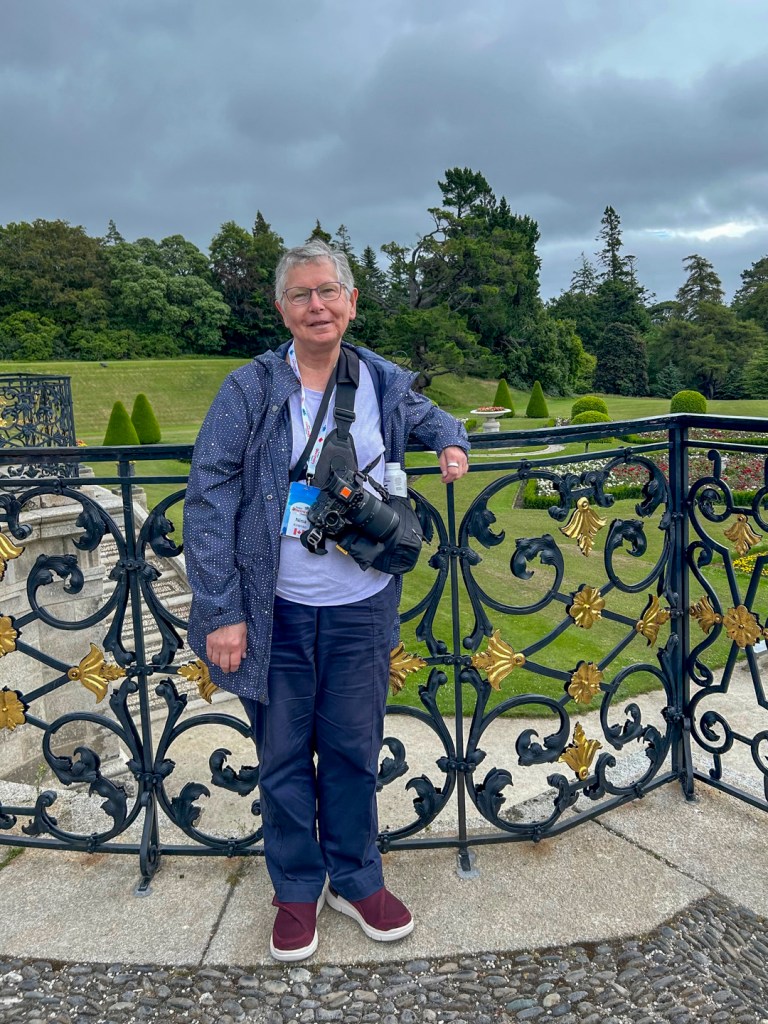
So glad you had the opportunity to visit both countries. Whoever took the photo of you posted at the end, did a great job of capturing the “you I know and love”. Looking forward to your next adventure – and a mini one of our own.
LikeLike
Thanks, Donna. That’s exactly what I said to my sister (who took the photo of me). It’s my favourite of me from the trip. I’m ok with a break for now – culling and editing 1000+ images was mind blowing.
LikeLike