
Moody, wild, variable, cold, then hot, then cold. You might think I’m talking about someone I know. But no. I’m talking about the wonder that is Scotland. I’ve been a lifelong fan, stemming from PBS specials, historical drama and yes, Outlander – books and TV series. I also follow a number of UK photographers that showcase the landscapes of Scotland and I knew I had to get there some day.
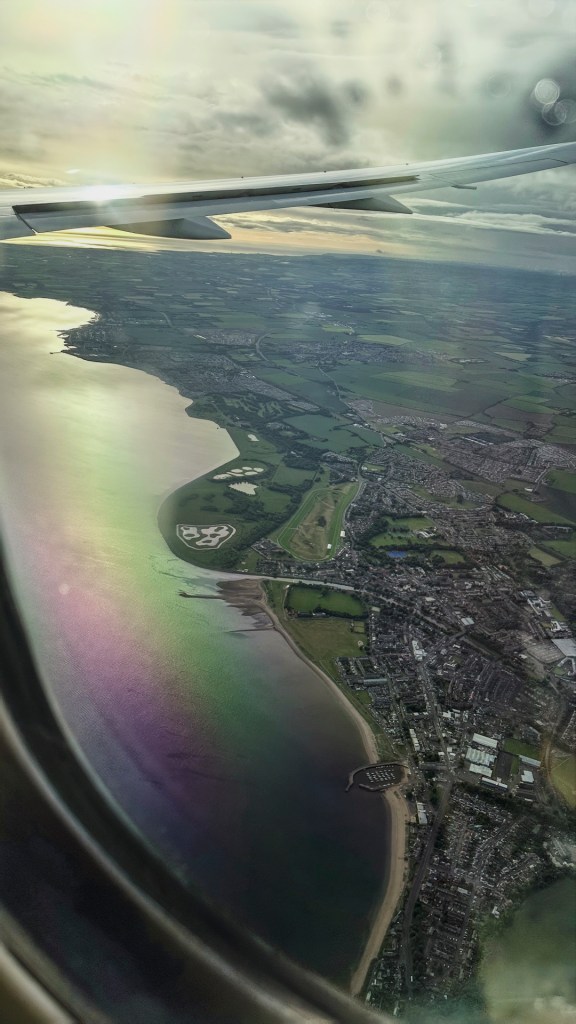
That day came in June, as part of the guided tour I spoke about in my last post. Although there were elements of the tour that didn’t fully appeal to me, none of that applies to the country, the people, the culture and the history of Scotland. I loved every minute of my time there.
This post is about what I saw, along with photographs. I hope you enjoy the tour as much as I did. A couple disclaimers: I don’t typically photograph people, so you won’t see many here. You also need permission to post their image if you feature individuals, although some of my relatives just might appear here regardless. And I did alter some photographs to remove the massive crowds and other distractions at some of these venues. And I don’t really talk about or showcase the shows that we attended. Just so you know…
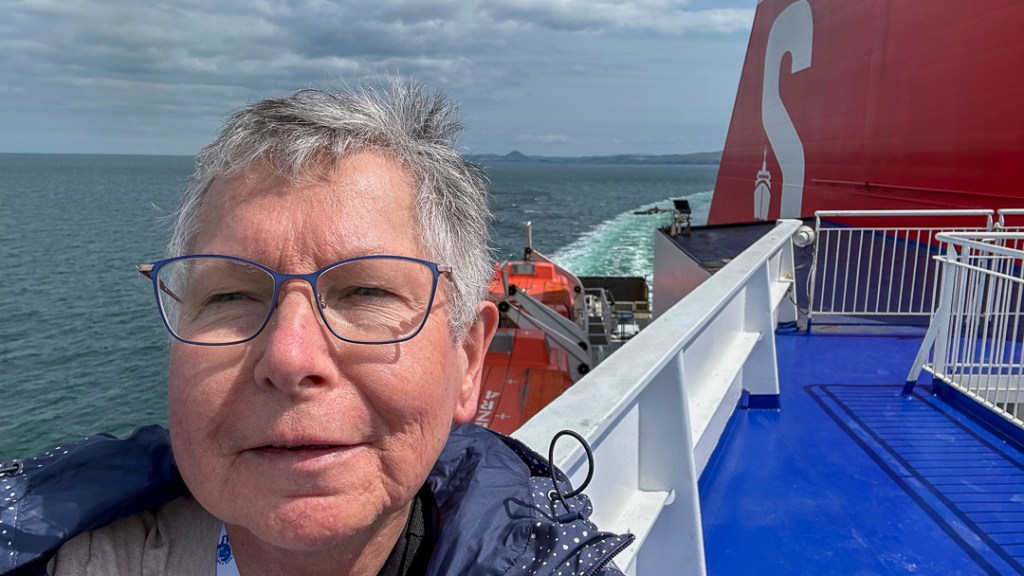
Also, this isn’t a chronological look at the trip. Suffice it to say that we started in Edinburgh and ended in Glasgow, with a southern swing to pick up the ferry to Ireland at the end of the week. In between, we travelled throughout, as shown on the map, to get a good sense of this land.

I absolutely loved Edinburgh. From the moment we stepped off the plane, the city grabbed me. It was a fairly cool, rainy day, setting the mood perfectly for our arrival. I guess it’s not a surprise – I prefer dark and moody environments over bright, warm, sunny ones. I should have been an owl I think – or a Scot at least.
Edinburgh is a tourist city. This is how Google describes it: Edinburgh is Scotland’s compact, hilly capital. It has a medieval Old Town and elegant Georgian New Town with gardens and neoclassical buildings. Looming over the city is Edinburgh Castle, home to Scotland’s crown jewels and the Stone of Destiny, used in the coronation of Scottish rulers. Arthur’s Seat is an imposing peak in Holyrood Park with sweeping views, and Calton Hill is topped with monuments and memorials.
All true. Everywhere I looked I was drawn to explore and to photograph. We only had 1-1/2 days there. I could have stayed all week. Of course, the centrepiece is the castle, sitting on top of an ancient volcano. Of course it is the home of royalty when they are in the north.
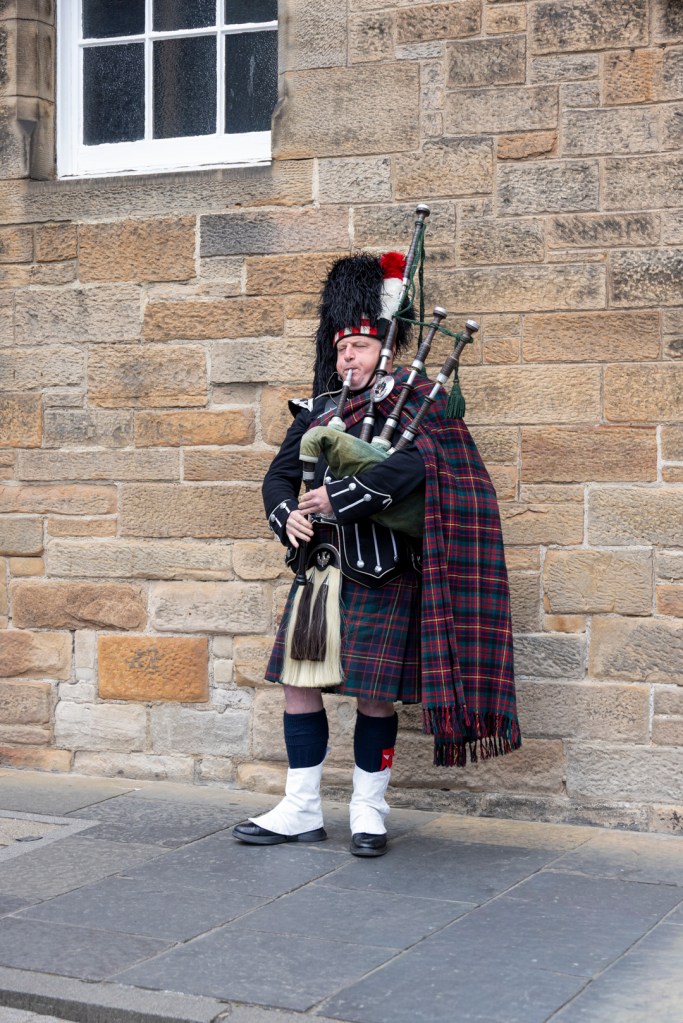
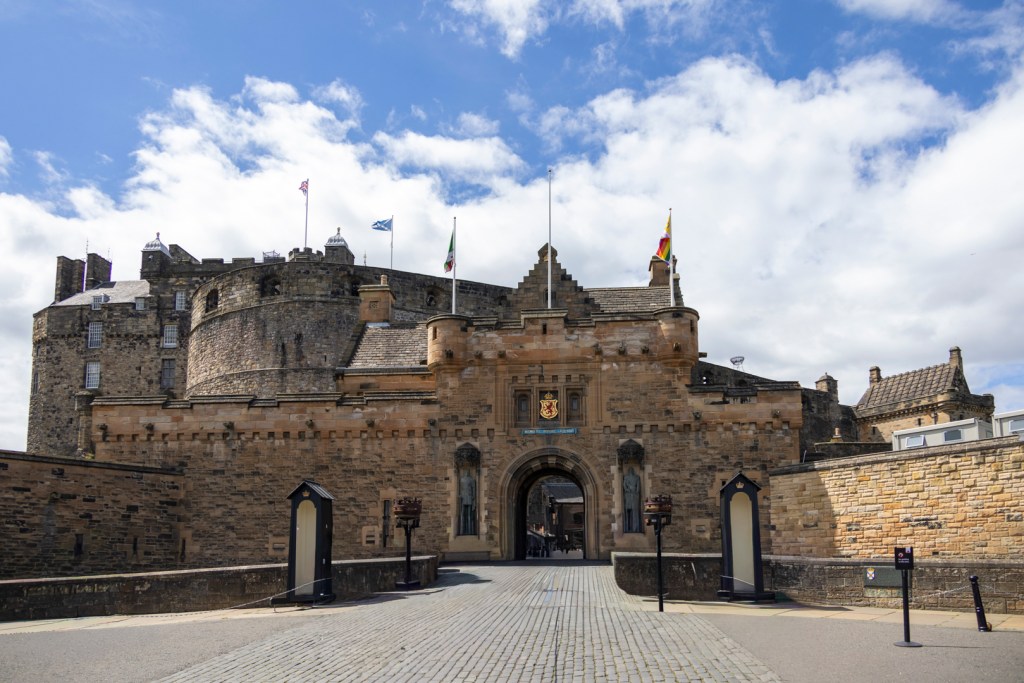
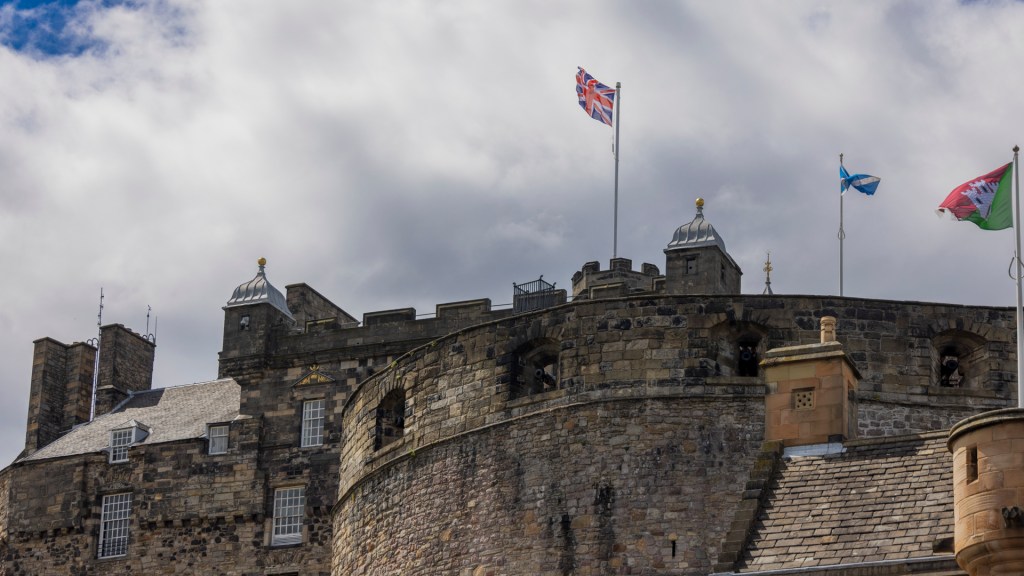
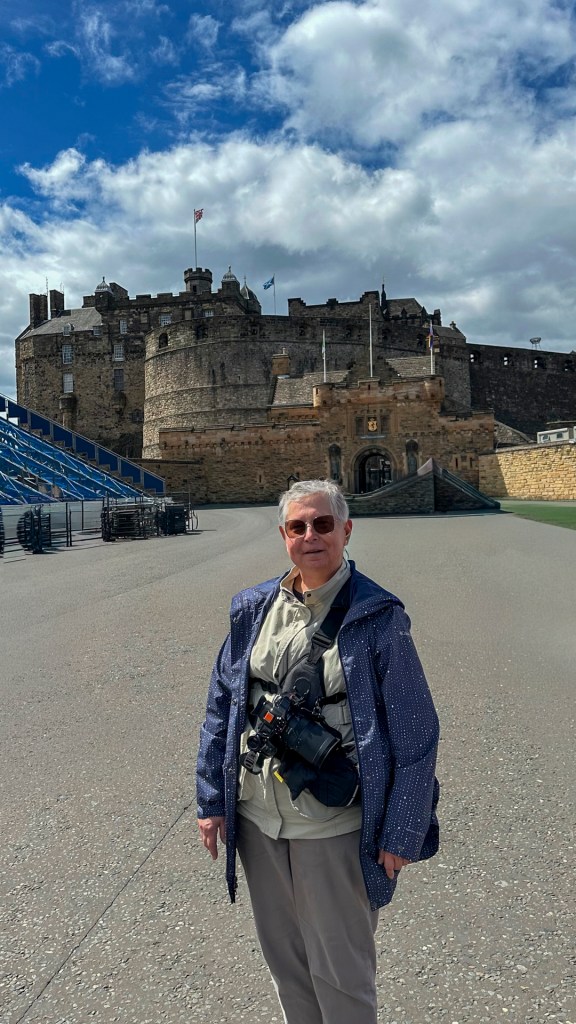

One thing I noticed about Edinburgh Castle and indeed, about all the historic buildings in Scotland is how dirty they appear to be. It seems there is a good explanation. Most are made of sandstone, an exceedingly soft stone. The dirt and grime built up over the years on top of it protects it from deterioration. Otherwise, many of these ancient artefacts would be irreparably damaged. So the local councils will never clean them. I’d love to use that excuse for my house!
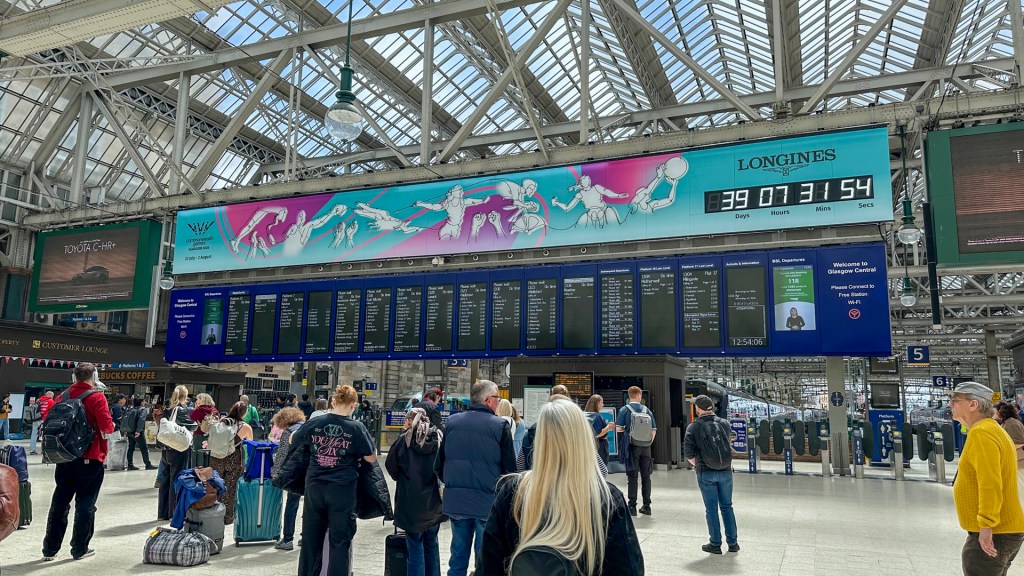
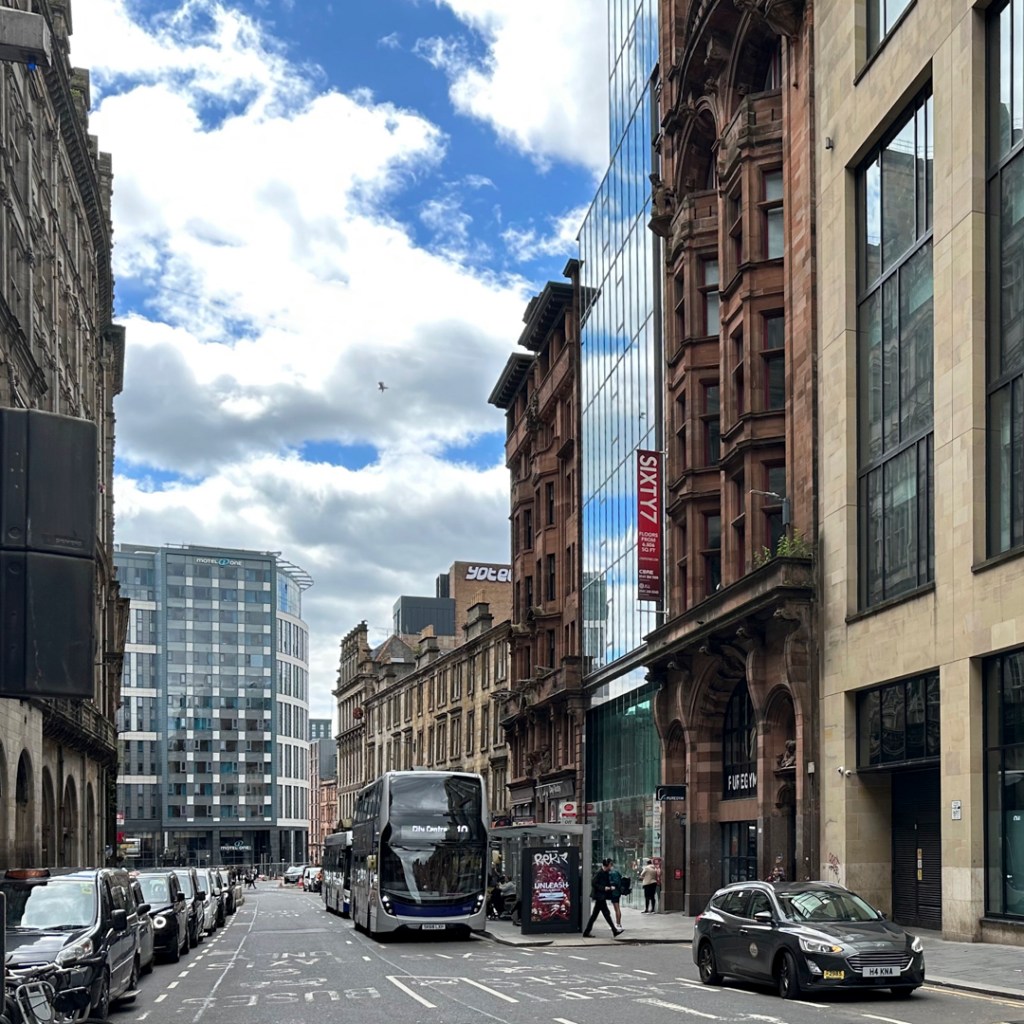
Glasgow, in contrast, is the modern cultural and business hub of Scotland, but still has an incredibly rich history. Google says: Glasgow is a port city on the River Clyde in Scotland’s western Lowlands. It’s famed for its Victorian and art nouveau architecture, a rich legacy of the city’s 18th–20th-century prosperity due to trade and shipbuilding. It is the largest city in Scotland. Modern glass and steel easily mixes with vintage facades.
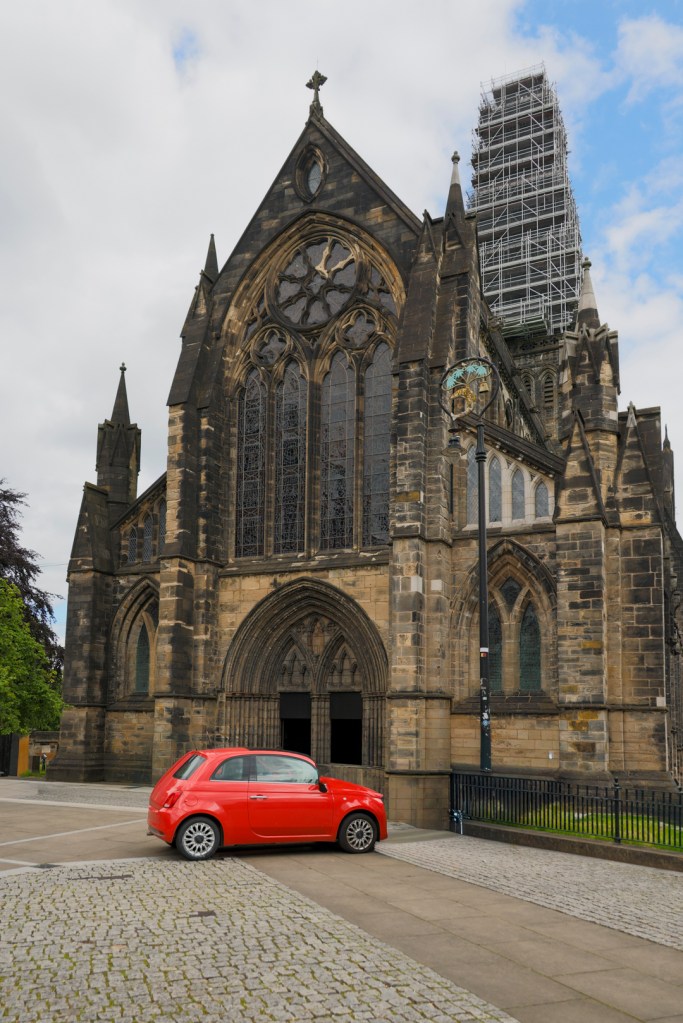
But I was interested in Glasgow Cathedral and made my way there during our free time. It is a prime example of the benefit of dirt on sandstone, although they are now working on one of the towers to restore it. It was established in the 1100’s – an incredible 9-1/4 centuries earlier! And everywhere you turn is evidence of religious devotion and religion’s importance in the lives of current and past Scots. I was raised a Catholic and although I no longer practice, I have a lingering respect for the rituals and for the architecture of religious worship. It was a solemn experience visiting and photographing this building and these grounds. Those pipe organs that take up half the overhead walls must sound amazing!
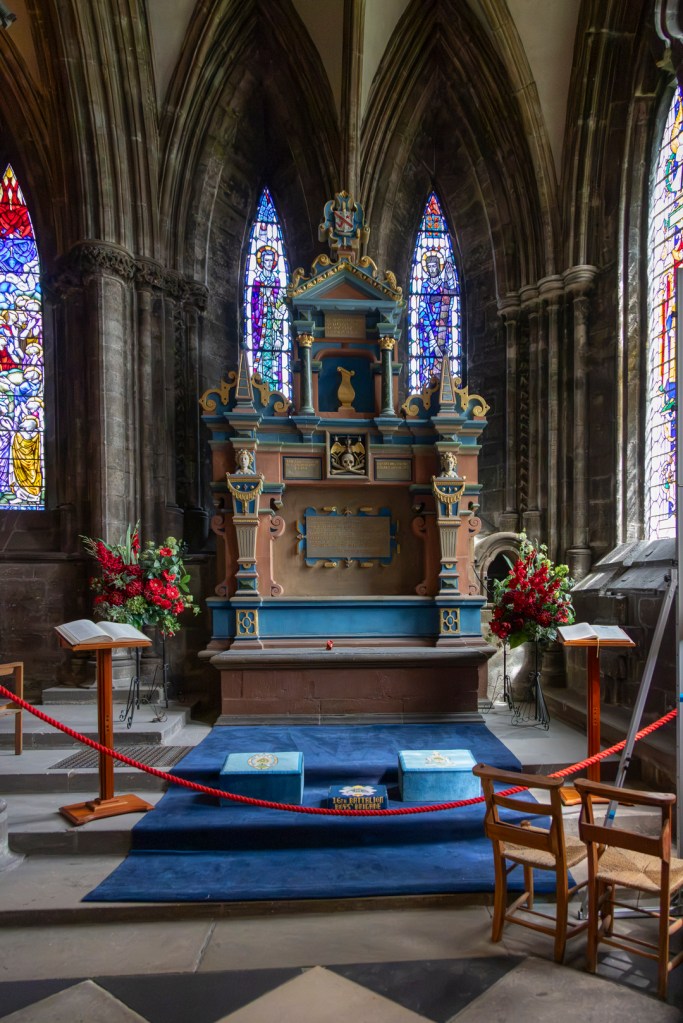


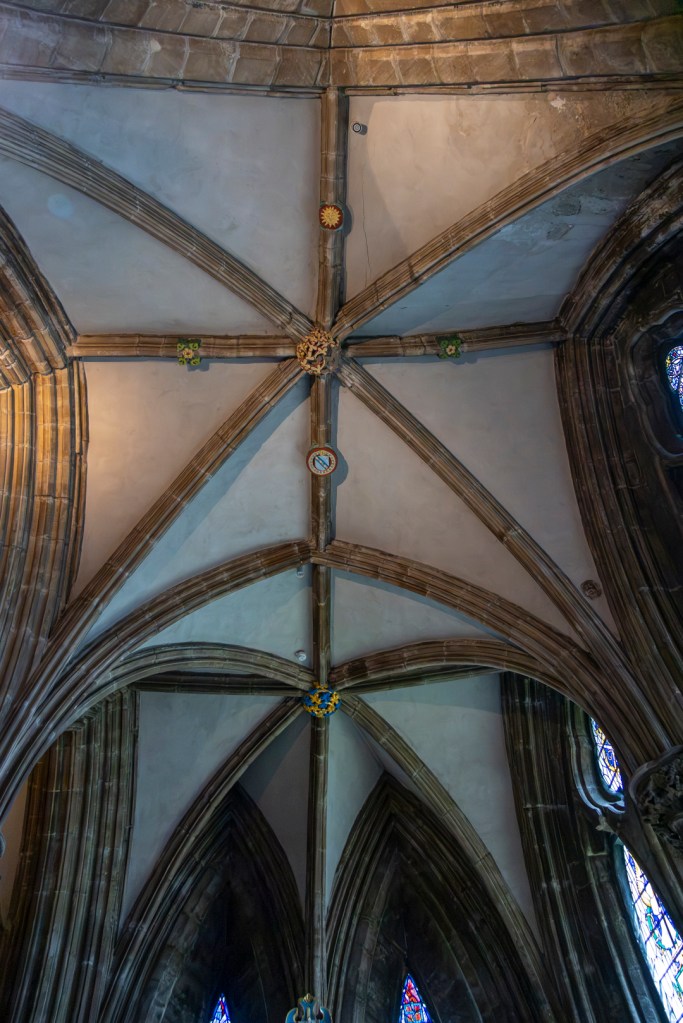
Our tour bus driver, Collin, was unabashedly Scottish and from Glasgow. That meant introspective, moody and with a sarcastic wit that could make anyone have to try really hard not to smile or laugh. He also made informed choices for us on the routes to take to show us the real country and towns, including winding back country routes that literally made me motion sick. I’m such a wimp! Those buses only have lavatories for real emergencies. I’ve no idea how anyone actually sits in one if needed.
The quintessential Scotland always involves sheep. There are apparently 3 million of them in the country and they wander throughout their own and neighbours’ local fields over the course of a year, only gathered up for annual sheering and breeding activities (and of course to go to market). When I saw this scene, had to capture it. Note the moody skies.

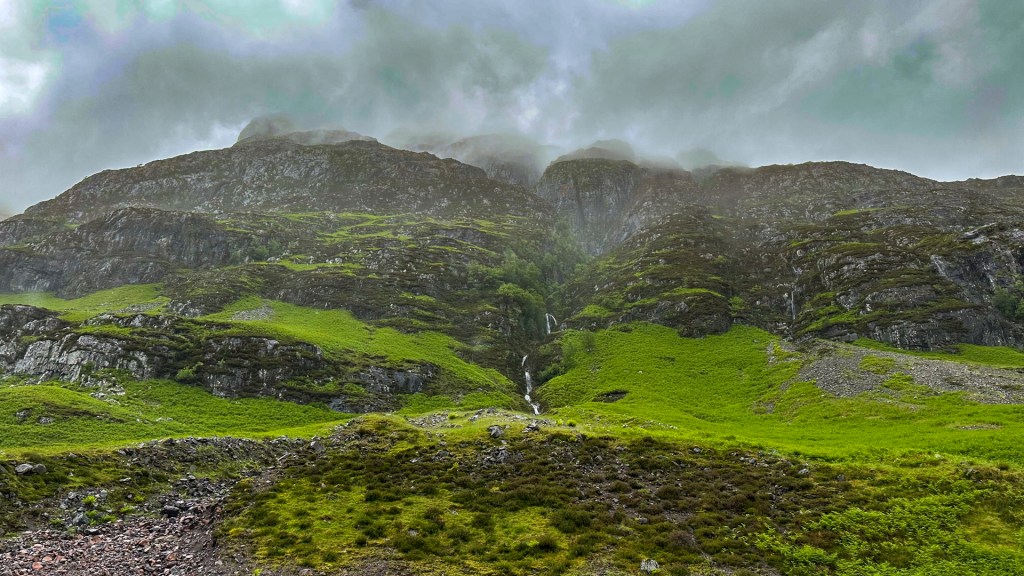
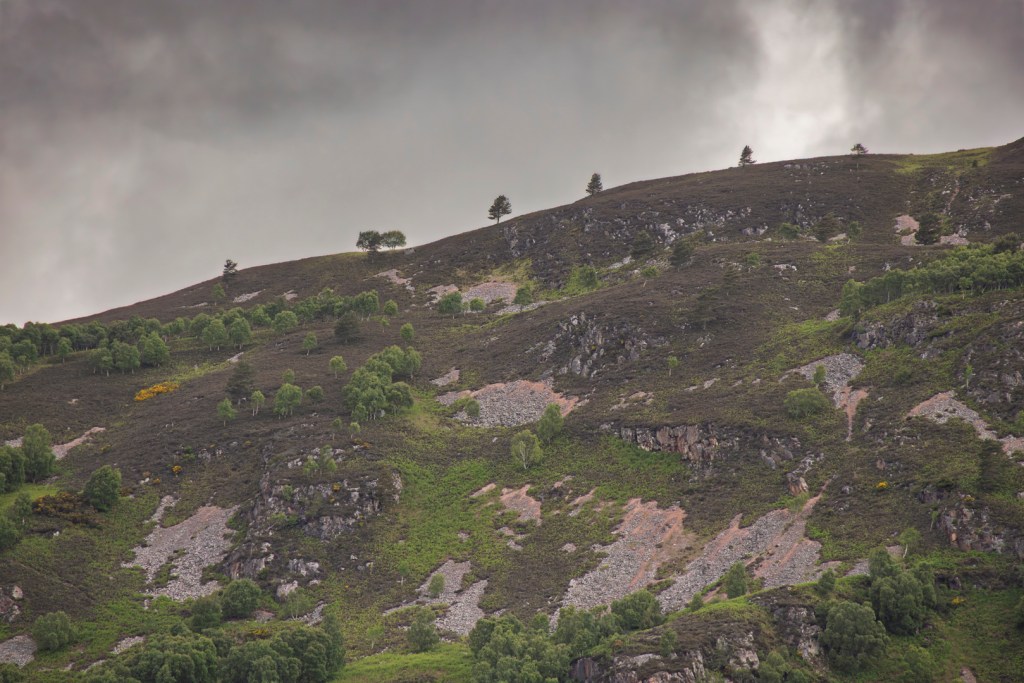
But if you really want moody, then Glen Coe is the destination. Sadly, we only passed through it, but stopped long enough, on a rainy, misty, cloudy day to capture what are my favourite images of Scotland. My cameras do not do this justice – seeing this land in three dimensions made my jaw drop. You can see people out walking (tiny figures against this magnificent landscape) – I would love to spend time there doing the same but my hill climbing days are done. Glen Coe embodies everything I’ve come to understand about these steely, pragmatic and “tell it like it is” Scots – you have to be to live here.


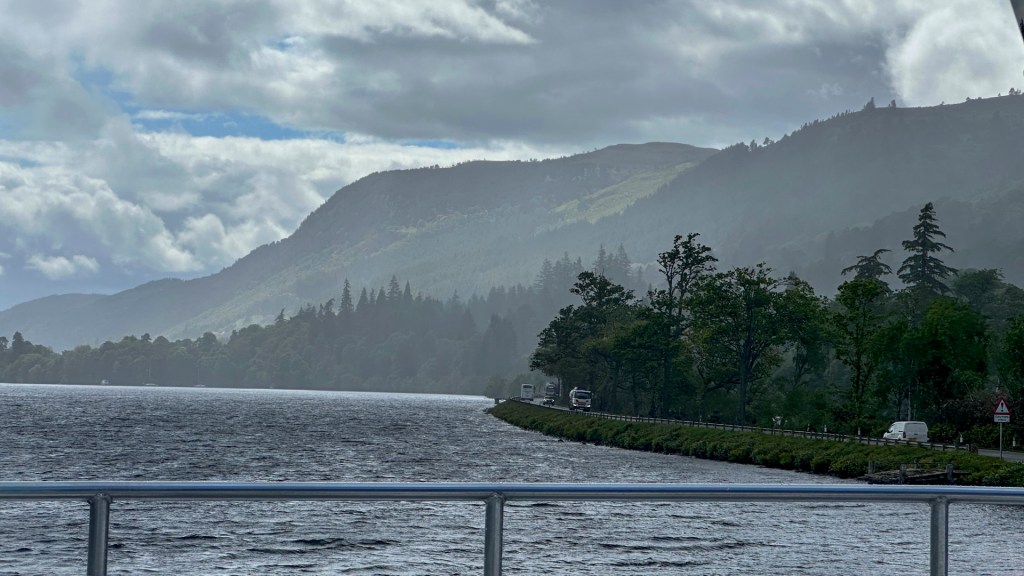
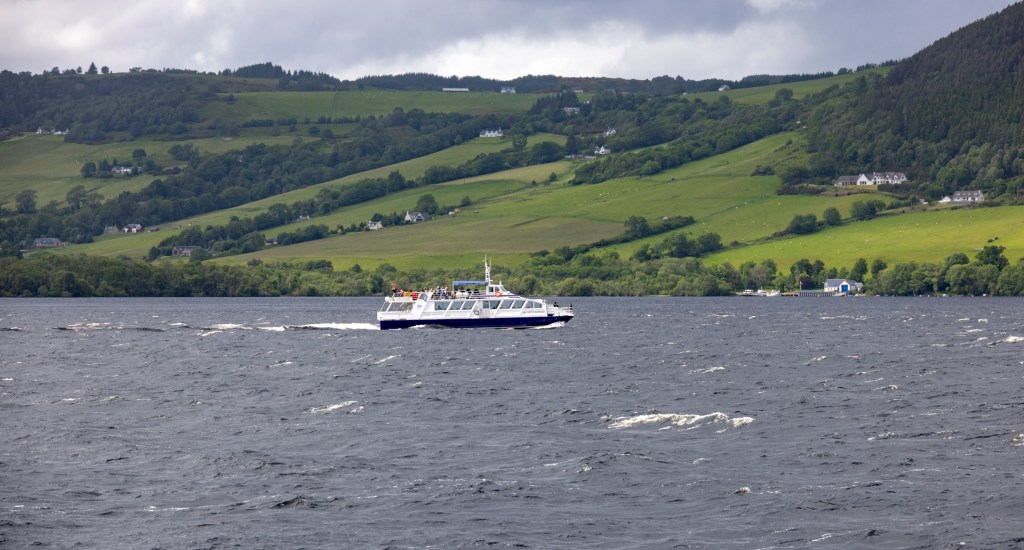
No trip to Scotland would be complete without a visit to Loch Ness. Google describes it this way: Loch Ness is a large freshwater loch in the Scottish Highlands. It takes its name from the River Ness, which flows from the northern end. Loch Ness is best known for claimed sightings of the cryptozoological Loch Ness Monster, also known affectionately as “Nessie”.
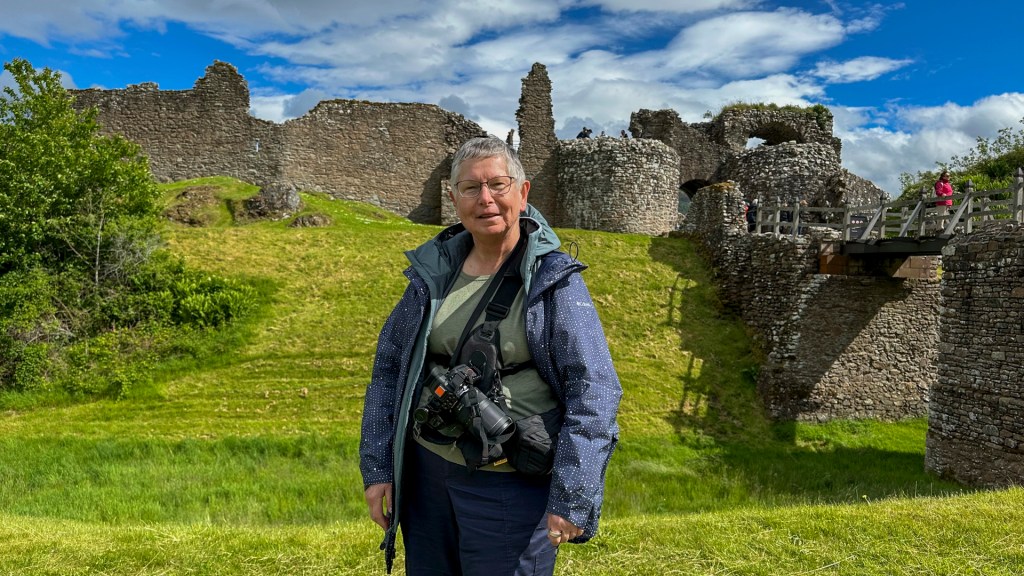
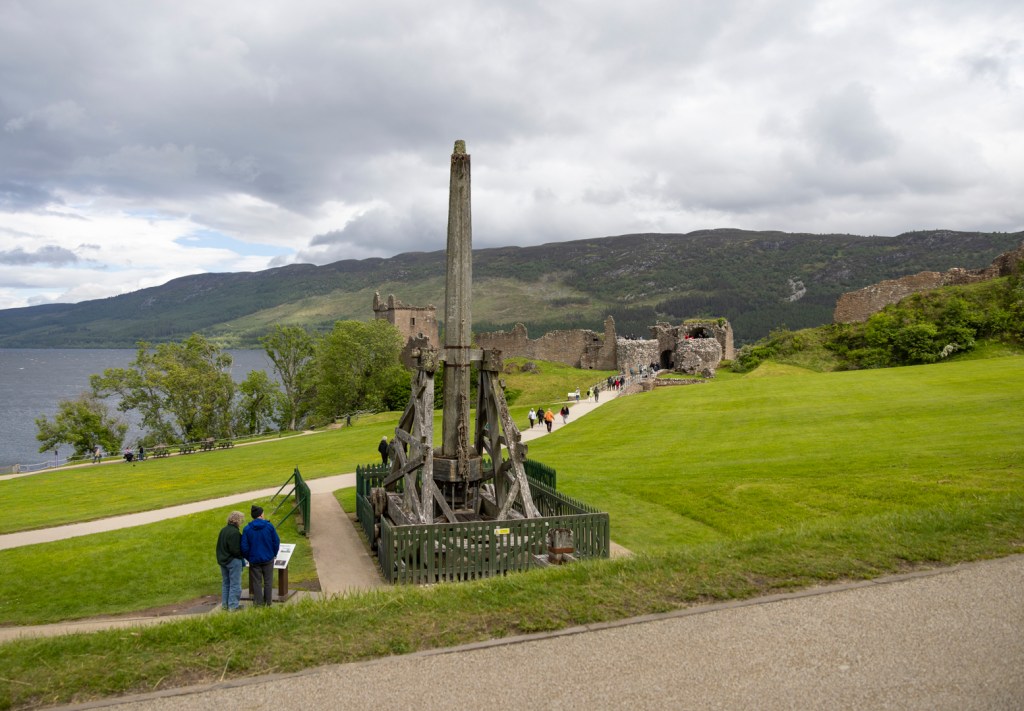
Despite grainy photos of 40+ years, there have been no recent sightings of the monster. But commerce around the loch continues to flourish because of the possibility. On the surface, the loch is not much to look at. It is a long skinny body of water. But because of its depth, it holds the most fresh water of all lakes in the UK. We did a cruise from the south end of the loch, but frankly, the items of greatest interest were the ruins of Urquhart Castle, about 1/2 way up the loch. The ruins date from 1509 and were the largest fortification in the area. The castle played multiple roles in various conflicts, finally being partially destroyed in 1692 as part of the Jacobite wars.

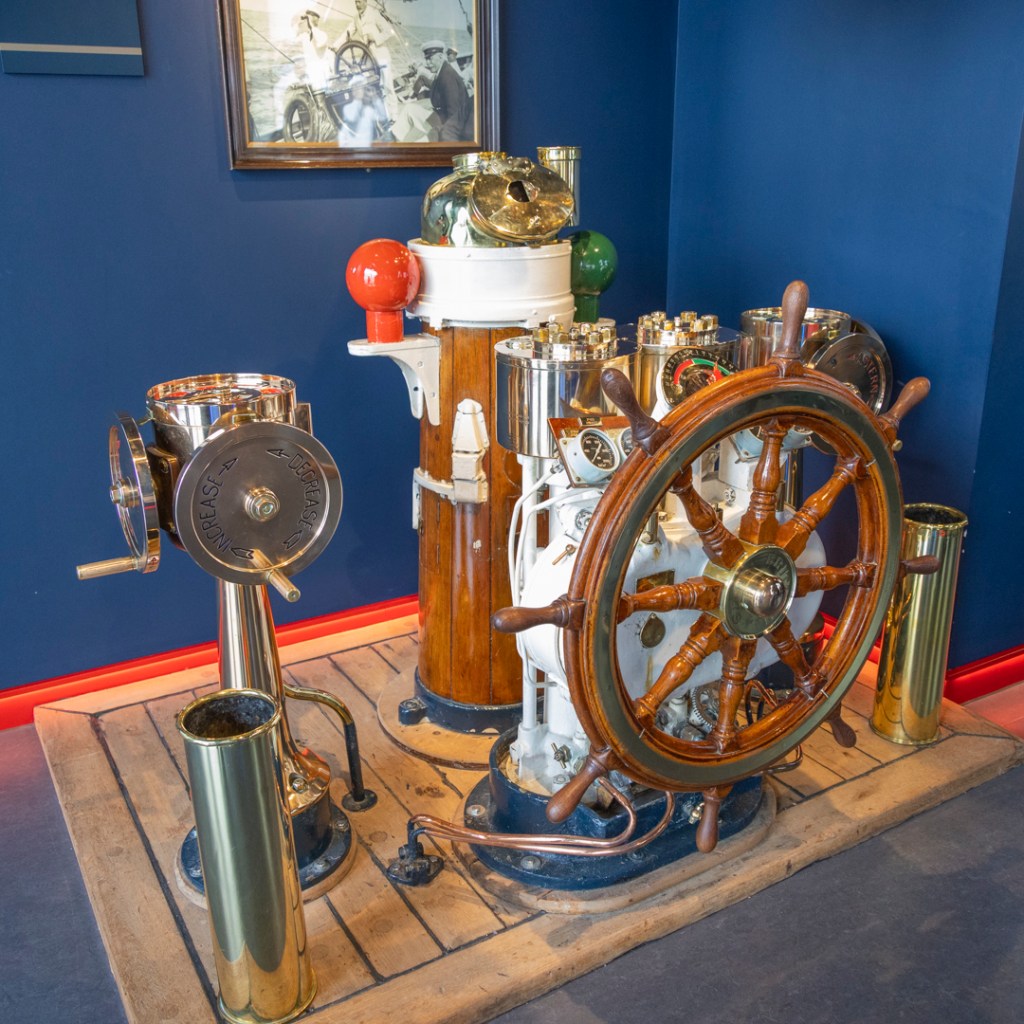
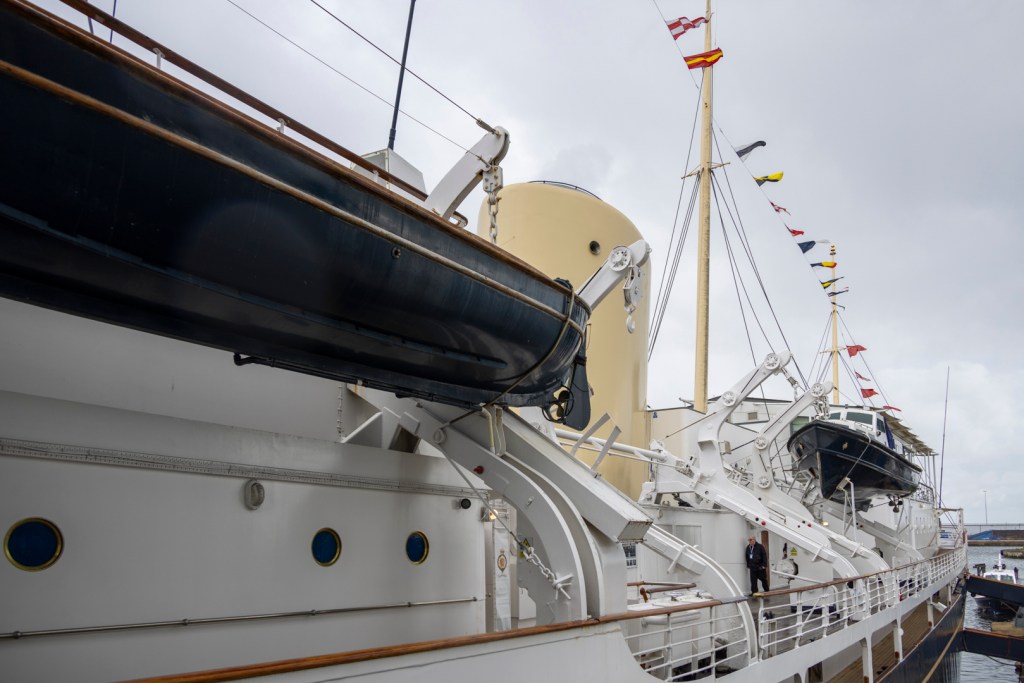
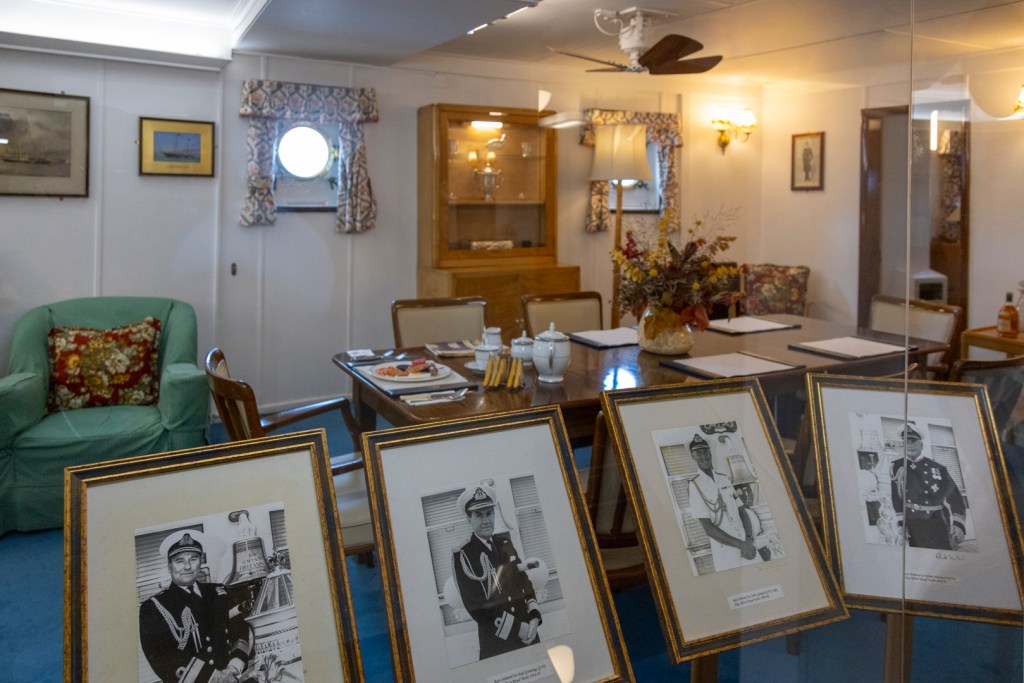
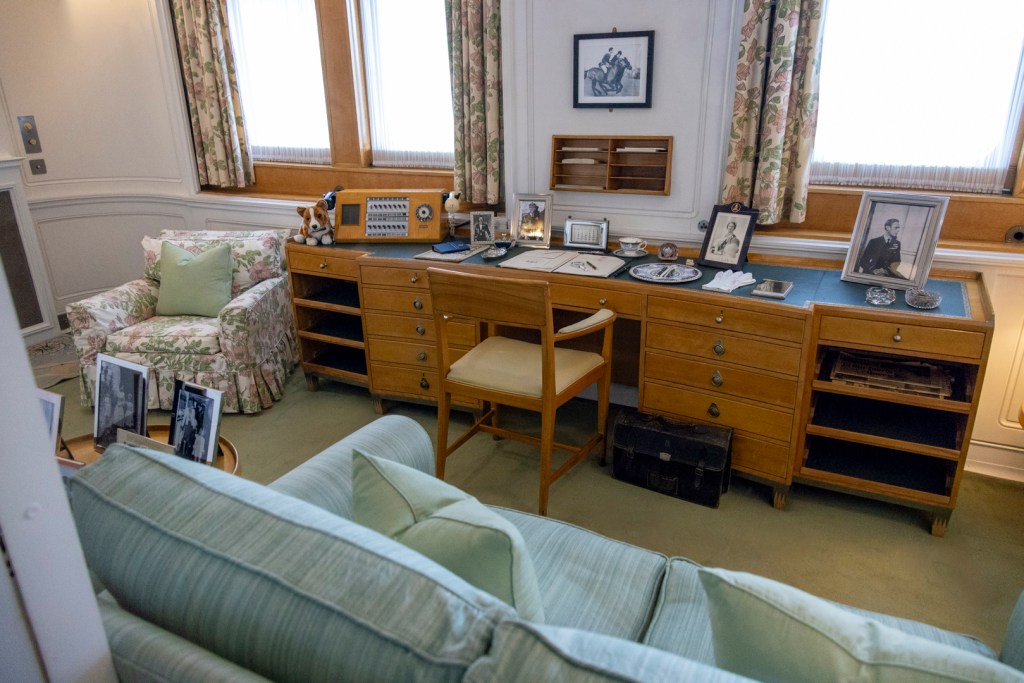
Scotland, like the rest of Europe, has a rich history of kings, clans, territory, political and religious conflict. Even today, you cannot avoid conversations about Scottish independence and opinions on the monarchy. So it’s interesting to me that Queen Elizabeth II loved Scotland as she did, and that her beloved yacht, the Royal Yacht Britannia, would find its final resting place here. She treasured her voyages on the yacht, used before transatlantic flight became the norm. As I wandered through it, I was struck by the differences between our definition of fine travel then and now: no electronics, screens or computers, no luxury bathrooms or bedrooms, no even really comfortable furniture. People relied on each other for entertainment, with an occasional board game thrown in.
Then, as quick as it started, our trip to Scotland was over. I truly felt sad leaving. But we still had one whole country adventure ahead.

As I write this, I’m listening to the sound of Scottish folk music and Celtic music and, gulp, various pipe bands. I kinda like it now. Who knew?
To see the full Scotland image collection, go to: Scotland (Jun 2026)
Next blog post: Those Smilin’ Irish Eyes


I am so glad you got to not only experience it but loved it – as did I. If I ever win a lottery, we can go again maybe for a few months at a time.
Donna B
LikeLike
For sure. But the way that Europe and ourselves are burning up right now, let’s hope it’s still there to enjoy. So far, they are one if the few countries not to fall victim to the heat.
LikeLike