 The start of a new year. Time to consider shaping up – not only personally but maybe for your photography workflow. How can you do things better? At the very least, you’ve probably accumulated a huge amout of content this year. Are you running out of storage space? And are you safeguarding your work appropriately?
Managing and safeguarding your photographs is a personal decision with lots of options. Built-in computer hard drives are bigger and faster every year. But there’s also detachable hard drives and network hard drives and online storage. How do you choose the right combination?
I’ve used mixtures of all of the above over the years, and currently assign files to different storage options based on importance and where they are in my workflow. I also need a clean, easy way to organize my content – client files here, personal files there.
With image volumes increasing, I recently looked into just how well these options are working for me, and here’s what I discovered. One disclaimer: these options may not be right for you. It’s about what you feel comfortable with and what you are willing to spend. Continue reading “File Storage Options – What You Need to Know” →

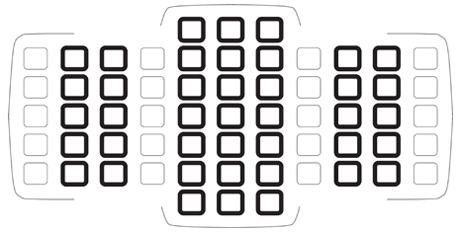 As with most things photographic, there is theory and there is practice and sometimes the two don’t mesh exactly. Here’s what I’ve learned about autofocus. Continue reading “A Focus on Autofocus”
 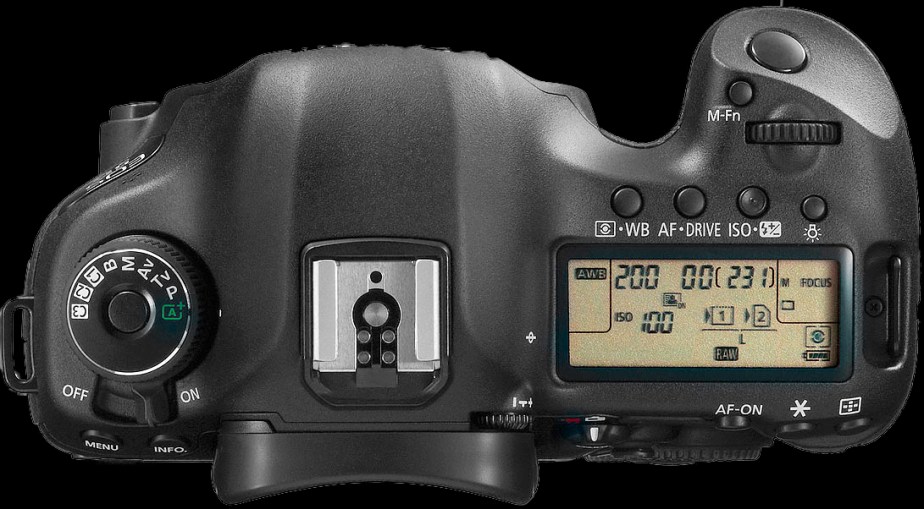 And then what do we do? We turn everything off and shoot completely manually, because “that’s what pros do”. Think about that for a minute. Does that make sense to you? Give your head a shake.
 A watermark is an identifier that sits overtop of some portion of the image. It is usually semi-transparent. The identifier could be the photographer’s name, their business name, or a combination of both. A copyright symbol and year might also be included. These labels might be simple white text or more elaborate logos and fonts. They are most often placed in a corner of the image, but sometimes can occupy more central space. Text sizes vary, but most are unobtrusive, aiming not to interfere with proper viewing of the image.
 It’s been a long standing complaint that Adobe Lightroom is frustratingly slow to load and display images, particularly previews on import or previews when switching from Library to Develop. Adobe promised to deal with this issue, going so far as to release a
  Whenever I venture to purchase a new lens, I’m typically presented with the fastest lens first – the advanced option. But the more I’ve shot, the more I’ve come to question this equipment mantra. Most of the time, you DON’T need the fastest lens. Here’s why.
 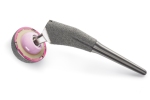 A year ago today, I received a new hip. Routine surgery I’m told, but life changing for me. Months of excruiating pain replaced, initially, by the feeling of having been hit by a bus. Luckily that lasted only a couple of weeks.
 oldgirlphotography.ca