
April 16 2020. No, that’s not the day of this post. It’s the day I woke up with a sore, scratchy throat. I was puzzled but unconcerned, since I had been in semi-self-imposed lockdown for more than three weeks.
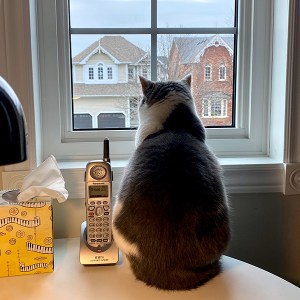 I had ventured out for groceries, and to the drug store and pet store, and even made a stop or two at the home centre. All within my municipality – heck, all within 10 km. At no time did I wander – always in and out knowing exactly what I was there for. So no chance of being exposed – or so I thought.
But over the two weeks since, I’ve lived a mild version of what many others have experienced. It’s been the strangest illness ever, with no symptoms of some things and problematic symptoms otherwise. Continue reading “There But For…”
 Most of us have similar stories. In fact, exactly the same stories.
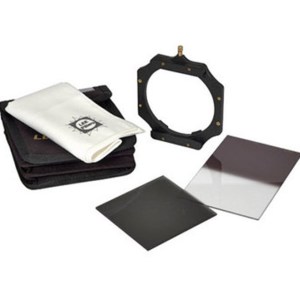 Over the past year, I decided to include filters in my camera kit. I took them on several trips and even on local outings, determined to take the time to use them properly. I started out with the standard collection of screw-on filters – a polarizer, a variable neutral density filter and a graduated neutral density filter. I quickly discovered the pros and cons of these types of filters and expanded my kit to include a square-format drop-in filter system. This consisted of a lens adapter, filter holder and a variety of 100mm square filters.
 Recently, one of these subscription channels included a short discussion on how Instagram has influenced the way photographers approach their art. The premise was that Instagram has completely changed photography. Their argument: its technical requirements and this generation’s social norm of wanting instant gratification and continuous stimulation of the senses has resulted in a new standard for photography. What is that new standard?
  But first we had to decide what the heck is “fine art”? We’ve had several animated discussions in the past few months, even a field trip to our local art gallery. In the past, I’ve written about
  I’ve set myself a goal for the next year to become more proficient at Photoshop. I use a variety of editing tools now, most of which are slider-based. You move a slider and watch what happens on the screen. The sliders in most applications are laid out in a nice orderly fashion, and you can literally move from top to bottom and achieve a well-edited well-presented image.
 Add to that the challenge of learning something new as an older adult. We don’t absorb information the same way as we did as a child. We don’t necessarily retain it even when learned. Memory declines in uneven ways too – with muscle memory and the memory of physically doing things changing at rates different from the memory of reciting things or recollection. So I’m not only setting a goal but trying to find the best method to accomplish it.


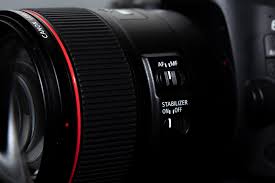 On your camera lens, you may find an inconspicuous button or buttons labelled “IS”, “OIS”, “VR” or something similar. On the newest bodies, there is no button and you don’t need to turn anything on at all – image stabilization or IS is built into the body and is just there for you all the time. What is it? It’s a wonderful technology that stabilizes the image on your sensor when you can’t stabilize yourself or your camera. We “need” stabilization to avoid a blurry image when the camera is moving. And despite our best efforts, the camera moves ALL the time.
 There are also times when you have to move to get the shot – you’re tracking something, you’ve just found that perfect angle, but it’s on a branch up high in the air in the wind (not that you would climb up there), or you’re just plain in the wind and it keeps knocking you and your camera. Or you are walking and vlogging, which seems to be popular now, and we naturally shake when we walk. So what can you do?
