
Frankly, it’s a question I’ve never thought about. Ever since I starting shooting digitally, and ever since I became aware of software available to edit, I’ve edited. But I’m preparing a short talk for a group of hobbyist photographers and I’ve discovered that some of them don’t edit, have never edited and have never considered editing. I find that fascinating. We will talk more about why they don’t edit in a bit.
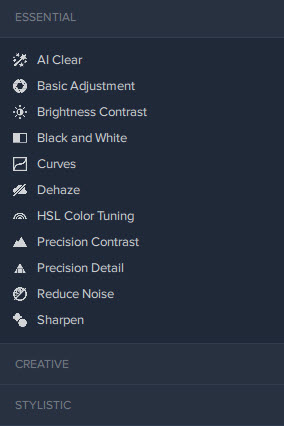
There is a long standing debate about in-camera skills vs. post-processing skills. From the early days of photography, and rightly so, it was decisions about framing, composition, exposure, and using natural light and shadow properly that determined the end result. I agree with that perspective and continue to refine my skills in-camera. But artists being artists, more options were discovered for adding a unique look, a mood or an effect to that end result. Today, the options can be almost endless, including AI driven editing technologies. So let’s explore that a bit further.
Continue reading “Why Edit Your Photographs?”

 It seems that everyone is weighing in on the move toward more and more machine-powered editing choices, also known as artificial intelligence or AI-based editing. What surprises me most is the number of commentaries where the writer admits to never having seen the capabilities being criticized, but the mere thought of machine-powered functionality must invariably mean both loss of control for the artist and cookie-cutter results.
  And the more software that includes blend modes, the more frustrated I get at their lack of ability to explain in plain English exactly what they are. I’ve read countless blogs, gone to workshops partly to understand them, watched countless YouTube videos looking to make sense of them, and more often than not, the recommendation of the instructor is simply to try them and see what happens. My brain needs more. I want to be able to explain them. This post will try to do that.
 Skylum announced the upcoming release of Luminar 4, scheduled for sometime in the fall. Originally released in 2017, the company and the product have gone through some interesting evolutions.
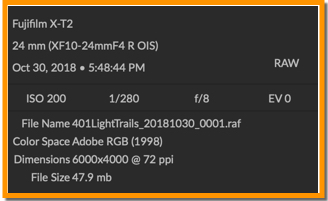 What does that have to do with photography? As it turns out, every part of a digital image is a set of values – for size, dimensions, camera settings, colour space, etc. We’ve long had the ability to manipulate any one value to our liking through the sliders we see in modern editing software. Now it seems we also have the ability to redefine broad swaths of data at once. Find out how.
  What are filters and why are they separate from adjustments? And what the heck is rasterizing anyway? Or the difference between “rasters” and “vectors”? And what is “rendering”? And of course, the single most important concept – non-destructive vs. destructive editing.
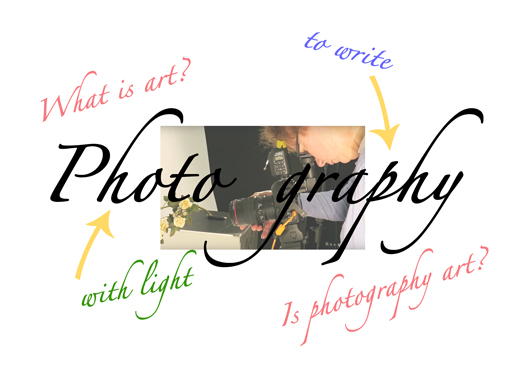 This leaves me wondering. If photography must be art to be successful, is there a point where a photograph is no longer a photograph? And where is that line? The answer isn’t obvious. Here’s why…
 oldgirlphotography.ca