
The options for manipulating an image after capture are endless today. Creative edits can include composites, the addition of graphic elements, and the use of finishing treatments such as texture overlays, painterly conversions, grunge and high dynamic range (HDR) effects. These are just a few possibilities.
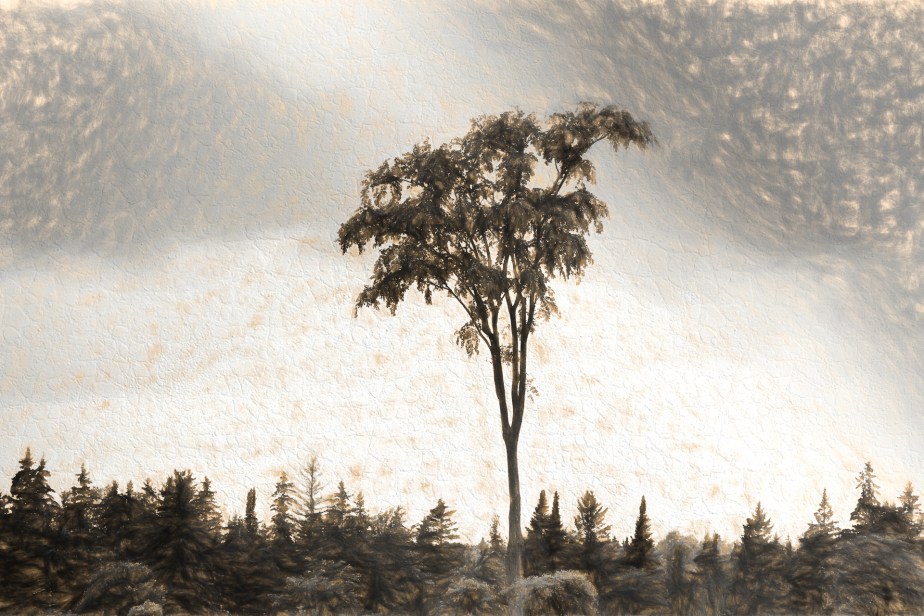
But as recently as 1935, the only manipulation available to a photographer was around how much highlight and shadow to reveal in the print and where (a.k.a. dodging and burning). All film was black and white. The most creative photographers played with different development processes and printing surfaces, but these were all still monochrome results. Others tried coloured filters at image capture, or layered emulsions that could produce different colours, but this made the capture and processing much more complex and the results were often poor.
 In 1935, Eastman Kodak Company introduced Kodachrome and changed the world forever. Despite this, colour photography did not become widespread, at least not in the consumer market, until the 1960’s. So colour image capture has really been in broad use for just 50 years.
Today, all digital cameras capture colour data by default. Black and white conversion is available both in-camera and through post-processing. The irony is that the same debates about colour vs. black and white that drove the creation of Kodachrome still exist today. Here’s my take on the creative debate. Continue reading “Black and White or Colour?”
 First, a disclaimer: this post is NOT legal advice. Every jurisdiction is different – it’s up to you to understand the laws that apply to you and how best to protect yourself. You should always follow any copyright and privacy laws, particularly if you hope to profit financially from your work.
 Macro photography requires only one unique piece of equipment: a lens that can focus within a tiny distance of the subject, resulting in an image that is the same size on the camera sensor as the subject is in real life. But macro lenses have an amazingly small depth of field, almost guaranteeing that some part of the image will be out of focus. What’s a photographer to do?
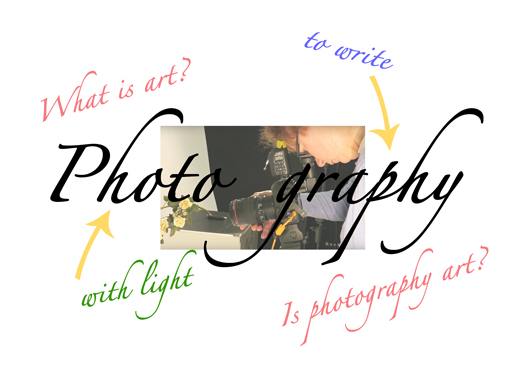 This leaves me wondering. If photography must be art to be successful, is there a point where a photograph is no longer a photograph? And where is that line? The answer isn’t obvious. Here’s why…
 But the consumer revolution left Adobe a bit behind, with savvy semi-pro and enthusiast photographers looking for image editing options that were reasonably priced and didn’t require a college degree. To Adobe’s credit, they saw that demand and Adobe Lightroom was born. But recent moves to subscription services and releases of updates users didn’t want have set them back a bit. Room for others to step in? Now we have a new player in this arena – MacPhun’s

 oldgirlphotography.ca