
Since I took up photography full-time 3 years ago, I’m much more informed about equipment and techniques. There are some well-rehearsed lines in this industry: photography is about shaping the light; remember to work the shot; don’t take pictures – make pictures. And on and on.
Many of those tomes are also around gear – usually put out by manufacturers I think. As an example, fast lenses (those with a maximum aperture of f/2.8 or larger) are always better than other lenses. Better for low light capture, better for managing depth of field, better for autofocus performance. Always buy the fastest lens you can afford.
 Whenever I venture to purchase a new lens, I’m typically presented with the fastest lens first – the advanced option. But the more I’ve shot, the more I’ve come to question this equipment mantra. Most of the time, you DON’T need the fastest lens. Here’s why. Continue reading “The Myth of Fast Lenses”
 First, a disclaimer: this post is NOT legal advice. Every jurisdiction is different – it’s up to you to understand the laws that apply to you and how best to protect yourself. You should always follow any copyright and privacy laws, particularly if you hope to profit financially from your work.
 Macro photography requires only one unique piece of equipment: a lens that can focus within a tiny distance of the subject, resulting in an image that is the same size on the camera sensor as the subject is in real life. But macro lenses have an amazingly small depth of field, almost guaranteeing that some part of the image will be out of focus. What’s a photographer to do?
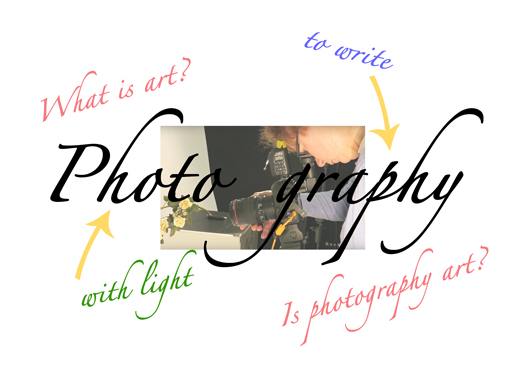 This leaves me wondering. If photography must be art to be successful, is there a point where a photograph is no longer a photograph? And where is that line? The answer isn’t obvious. Here’s why…
 But the consumer revolution left Adobe a bit behind, with savvy semi-pro and enthusiast photographers looking for image editing options that were reasonably priced and didn’t require a college degree. To Adobe’s credit, they saw that demand and Adobe Lightroom was born. But recent moves to subscription services and releases of updates users didn’t want have set them back a bit. Room for others to step in? Now we have a new player in this arena – MacPhun’s
  But there is one thing I continue to struggle with overall – it’s simply
