
I watched a piece recently in which a 20-something YouTuber extoled the virtues of a fixed lens, limited function camera that has been sold out since its release – the Fuji X100VI. His message was a simple one – it makes photography fun again. He is a professional photographer and it seems none of his other higher end Canon mirrorless cameras were fun any longer.
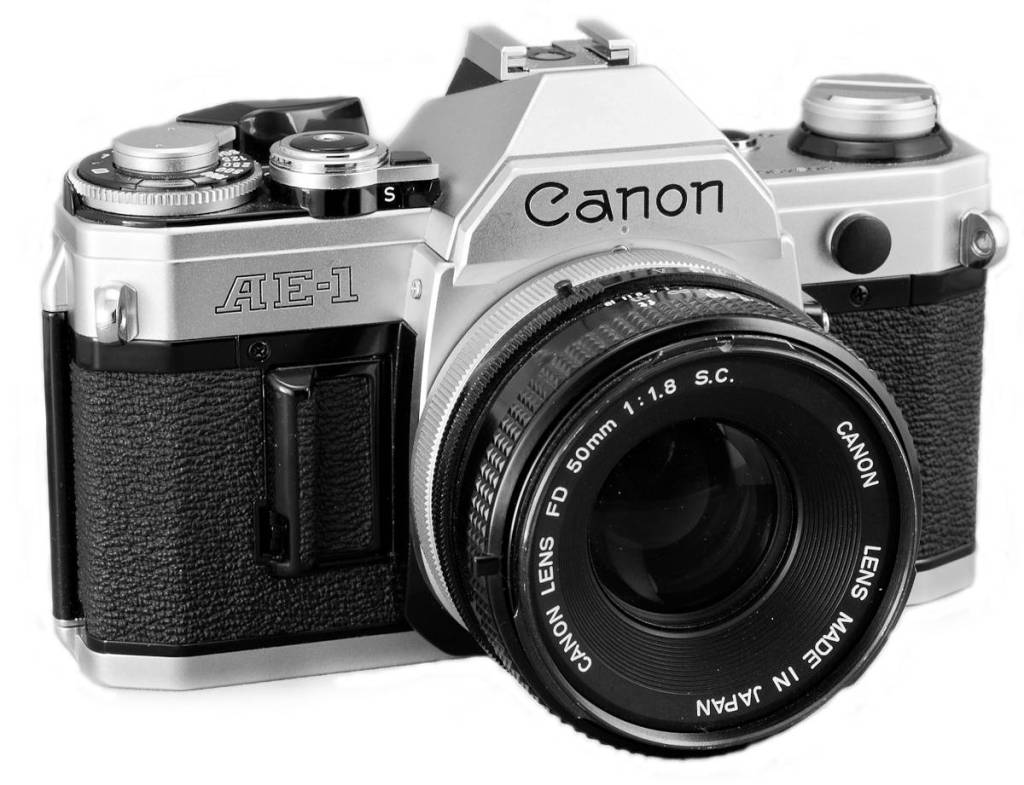
I saw something similar in my recent short career working in a camera store – young people in their teens or twenties with old film cameras they had found in the attic or purchased at a thrift store. They wanted to buy film and/or get a quick lesson on how to use them. In those cases, they often did not know anything about photography, but wanted to learn using these cameras, not something more advanced. When asked about the appeal of these devices to them, the answer was – I’m told they are fun.
I have only one question for both – why?
Even the predecessor of the X100VI, the V, has been sold out and unavailable since the early days of its release. They sell on consignment sites for 3-4 times their original value. Again, why?
As I listened to this young YouTuber, the answers to why were the following:
- It changes the relationship between the photographer and the camera
- It fills a gap between cellphone photography and professional photography
- It lets me have fun with photography and not worry about portfolio shots
- It doesn’t require editing of any image
- It has both an EVF and an optical viewfinder – I can see reality instead of a digital screen
- The image recipes are cool, including experimenting with film grain – I can get an instant result
- I had to learn using the dials, not sliders on a screen – I even shoot in auto – mostly auto
- The camera is small, portable, can be carried easily and without a lot of accessories – I don’t even know it’s there until I need it
- It’s a different, more simple, even therapeutic experience
I think the fundamental answers are the last ones – small, portable, easy to use and a different, more simple, even therapeutic experience. All of us are suffering from screen fatigue or technology fatigue or both. In the camera domain, the sale of new cameras has traditionally been based and continues to be based on the latest and greatest features – higher megapixels, 30 frames a second, full customization, built in features like lenses with teleconverters, etc.
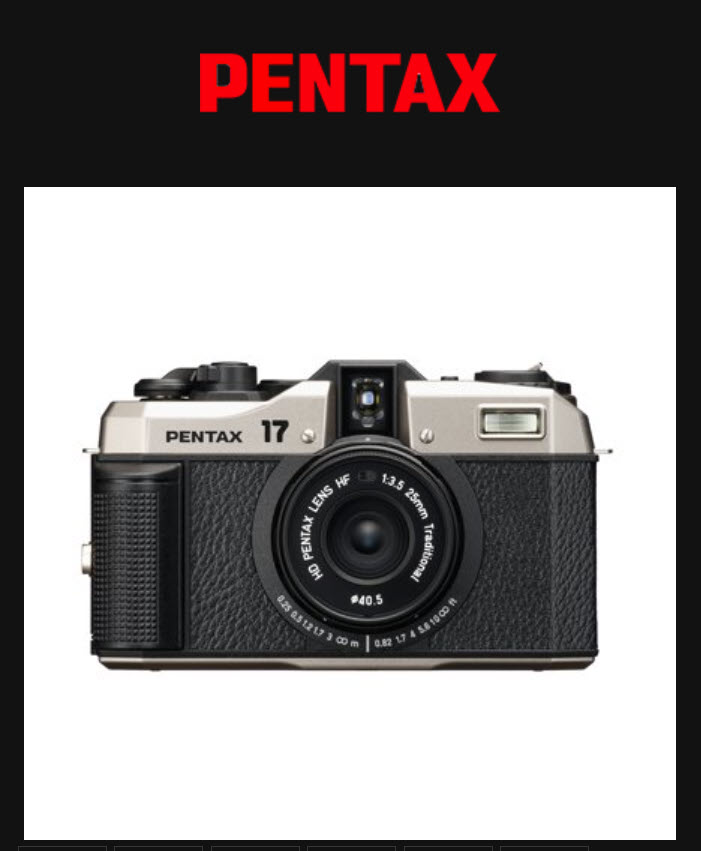
Interestingly, manufacturers are running out of technical innovations – releases from Canon, Nikon and others have slowed to a crawl. Concurrently, camera markets have essentially collapsed and people like me are no longer interested in more frames a second. What’s a company to do? Some astute manufacturers have realized that retro may save them, and that reducing rather than enhancing features may be the key to future success. They are looking for that balance point between more features and ease of use, even going so far as to release film cameras with some supporting electronics, like the Pentax 17, a film camera that produces 1/2 width vertical film frames similar to what a cellphone would produce, and includes 7 preprogrammed shooting modes.
And even if not downsizing the offering, manufacturers have realized that a retro look to a modern functioning camera is a design trend that will win over more of today’s customers. Fuji has been in that game for a long time, with almost all of its mirrorless offerings including buttons and dials that are reminiscent of the good old days.
Personally, I find no appeal in these retro trends at all. And I ask myself – why not? I think for me it’s that I grew up with analogue options only and found them frustrating and clunky. But growing up analogue had one side benefit: it naturally limits my personal attraction to technology only options. I can only take so much of very high end electronics.

When I am out for a walk in my neighbourhood, I will invariably see other people walking and almost invariably, will also see them holding a cellphone. The security camera on my house will occasionally record someone passing by on foot heading off to catch the bus on the corner and almost invariably, will also see them holding a cellphone – sometimes two! But that might be for other nefarious purposes like car theft. Yes, I do have a suspicious mind, but I digress…
As my family well knows, I often will be out and about without my cellphone and will not even know where it is. When I sit on a commuter train or wait in a waiting room for an appointment, I invariably see people heads down looking at and scrolling on their phones, or sometimes having the most intimate of conversations or even arguments right beside me. I will often listen to music on the phone, but am equally likely to be reading a book or paper article, without any glance at the phone for the entire time I am waiting.
So I’ve come to easily use technology as an aid when I want it and on standby when I don’t. I don’t feel technology is intrusive. I feel it is my partner. Not sure young people who have been immersed in technology since the day they were born can do the same. And it’s starting to burn them out – they need to find ways to have fun again. Low or no tech options do that for them.
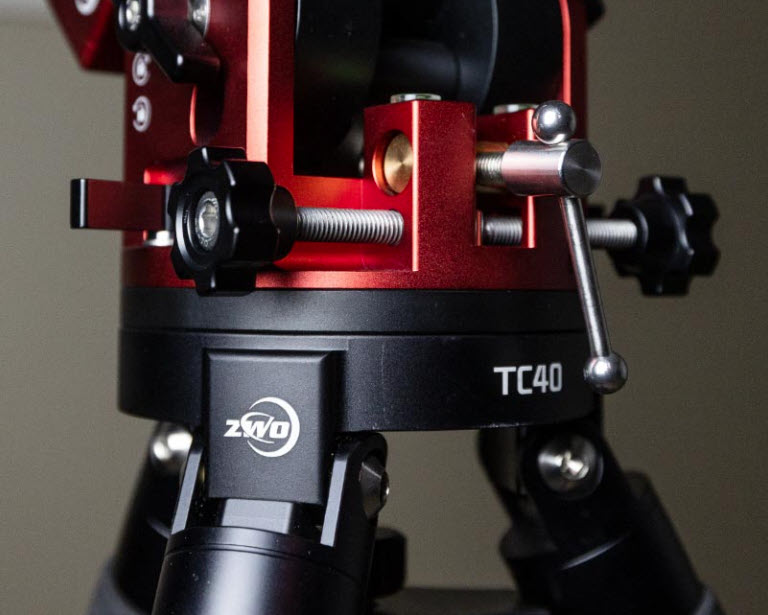
In contrast, at this stage of my life, analogue options don’t make things easier or more fun for me – as I’ve discovered tinkering for example with some of the equipment I use for astrophotography that has manual knobs. My arthritic hands don’t like that much.
So, I have modern technology in my car, in all of my hobbies, in my home, in my means of connection to friends and family, in the means to provide reminders for my commitments and for my overall security. That’s what makes life fun for me now – I don’t have to worry about those things and will use my sadly declining physical strength and brainpower on other things that make life fun.
We live in an interesting time. It may be something of a crossroads for technology, as concern over artificial intelligence competes with this trend to more analogue, unplugged, retro experiences. It’s good that we can have those choices and that manufacturers are responding to the need. Just don’t bring back AM radio, ok?
 oldgirlphotography.ca