
One of the areas that frustrates me in photography is adjusting a photograph that is “noisy”. Even with dedicated tools, I find it hard to make any meaningful improvement in the quality of the photographs I adjust. My noisy photographs seem destined to be noisy. When I adjust the sliders, the edges I want to be crisp and clear are often muted, while the remainder seems unaffected. Not at all the outcome I want.
 Even more baffling is sharpening. Related to but opposite in intent to managing noise, applying sharpening leaves me even more puzzled, since I often see little to no change in my photograph. And then there’s import sharpening vs. creative sharpening vs. export sharpening. Sharpening for screen vs. sharpening for print.
How to make sense of it all? Continue reading “Too Noisy? – Adjusting the “Volume””
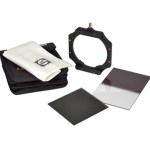 Over the past year, I decided to include filters in my camera kit. I took them on several trips and even on local outings, determined to take the time to use them properly. I started out with the standard collection of screw-on filters – a polarizer, a variable neutral density filter and a graduated neutral density filter. I quickly discovered the pros and cons of these types of filters and expanded my kit to include a square-format drop-in filter system. This consisted of a lens adapter, filter holder and a variety of 100mm square filters.
 What are filters and why are they separate from adjustments? And what the heck is rasterizing anyway? Or the difference between “rasters” and “vectors”? And what is “rendering”? And of course, the single most important concept – non-destructive vs. destructive editing.
 oldgirlphotography.ca