
Whenever Adobe releases a new version of its photography software package components (i.e. Lightroom, Lightroom Classic, Photoshop), there are typically a multitude of videos that explain the new releases and, again typically, comment on how great the new features are.
Not this time.
The bulk of videos I have watched, mostly from long running pro photographers, have described and demonstrated the features, but also offered some very puzzling or at least unexpected commentary. Find out what.
I would never use this.
Why partner with a third party? – just buy that software if you do this often.
Why take this to an external website to get your result – why can’t this be embedded in the software?
The third party experience is much worse than just buying the software outright – no settings, no ability to reject the result.
Why is Adobe muddying up Lightroom with this technology?
This left me more disillusioned than usual about the direction Adobe is heading in.
Just use my subscription fee to make your product better, not to create some hybrid monster with other stuff in it.
Everything used to be included in the subscription price, but now everything is an upsell. It’s a subscription with a meter running.
This isn’t innovative – it’s just lazy.
These are just some examples of the commentary I’ve heard from those reviewing the latest drop from Adobe. Frankly, none of the released “improvements” interest me as they are all focused on the AI experience. I certainly hope that this is not now the standard fare for future releases, but if you believe what Adobe said back in October at Adobe Max, it is all about the ability to “hallucinate” more effectively. If that is all we now get, that is a sad day for photography.

I went through a self-assessment recently, trying to decide if paying inflated pricing was worth it and after trying several other products, did end up coming back to an Adobe Photography subscription. It is still by far the best set of products for my needs. But I truly don’t like being restricted that way, with no bargaining power at all.
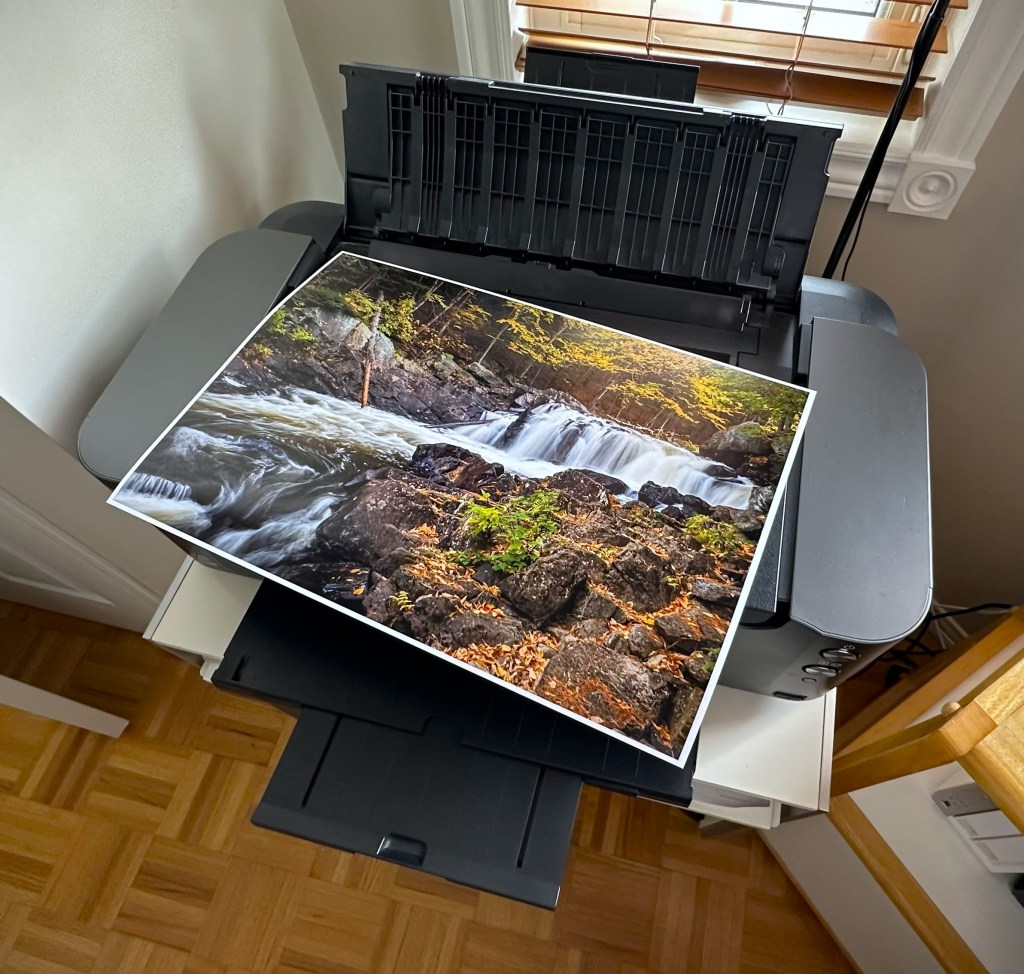
And now that I’m seeing veteran pros lambasting the relationships that they have had for decades, I’m even more concerned about being locked in. Then I remind myself that I am a hobbyist, and that neither my standard of living nor my reputation depends on the stand I take on this capability. I choose this set of products for the convenience and enjoyment of reliably producing a photographic image that I like and am proud of and would hang on my wall. Right now, the cost of doing that is ok with me.
I do think Adobe has to exercise some care though, in that there will come an inflection point where they lose their legacy audiences who are vocalizing less and less interest in these new capabilities. What will they replace them with??? Unfortunately, ironically, Adobe runs the risk of replacing its user audiences by the very AI that is now finding its way so pervasively into these products. You simply won’t need human involvement at all.
But in other interesting developments, we are starting to see news items and commentary from some creators about regulatory restrictions that prevent them from accessing or even demonstrating some of the more advanced AI driven features released in software like Luminar Neo, particularly around AI assistants. It seems some jurisdictions think that things are moving too fast for comfort. I find that very comforting.
I have no idea where we will be in the next five years or even the next year. But so far I’ve found it relatively easy to take advantage of what I like and to disregard what I don’t. Hopefully that can continue in the future.
 oldgirlphotography.ca