
There seems to be a move afoot in photography – a move away from full manual control of camera settings and detailed processing of images using one or more editing tools, all the way to letting the camera handle things with automatic settings and built-in profiles. We just pick the mood we are in that day and shoot away.
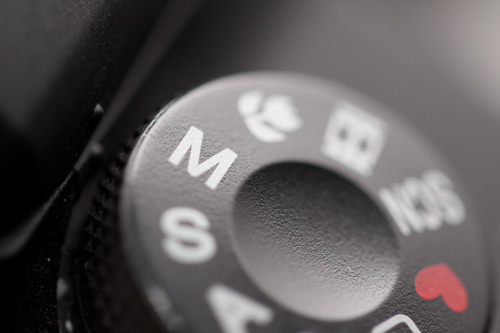
Say what? Isn’t that what we spent years overcoming? The shortcomings of that dumb box? The mantra that full control over every pixel from capture to delivery is the only way to enjoy photography. A real photographer only shoots in full manual mode. A photograph ain’t finished until it has been “photoshopped”. Not any more. How did this happen?
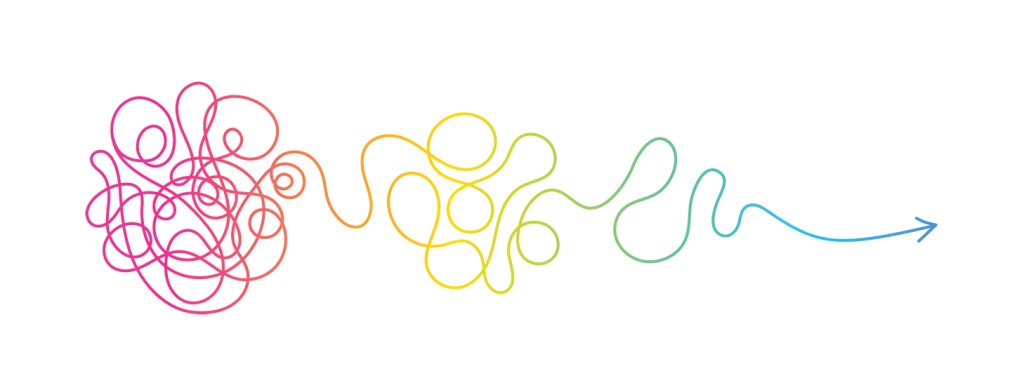
Our world is becoming more and more complicated. It seems that people are looking for simpler ways to accomplish the things they want to do. Every aspect of our lives is more complicated, from the daily rules we have to follow as citizens to the tools we use in our jobs to the toys we have fun with. Our language is full of new words that didn’t exist a couple decades ago, including diversity, politically-correct and gender identity. But we have to be careful how we use them. Businesses constantly pepper us with ads for better and better ways for us to live our lives, but ironically we become overwhelmed with the need to manage it all. So instead of embracing the wonderful things our modern and technologically advanced world can bring, it seems many of us are have decided to move away from it.

I haven’t moved off-grid into a cottage in the hills, but I have stopped looking at what’s new. I recently heard a commentary on life that being wealthy isn’t about the ability to acquire more and more, but instead about being happy with what you have. I’m definitely there. For many years, I was about getting the latest and greatest toys, including cameras. I worked for minimum wage at a camera store after retirement just to be in the firing line with new gear. Not any more. How things have changed even for me. Covid and dare I say it, the complexities of politics everywhere now have caused me to retreat a little – more than a little.
I honestly have no idea what’s new in camera gear now. I’ve even turned off posts and videos that describe it. Instead, I take great joy in working with what I have and in discovering all it can do. Don’t get me wrong though, I’m not working with ancient analogue equipment. I haven’t turned back the clock that far. The reason is precisely because of this idea of simplicity. There is nothing simple about analogue equipment as far as I am concerned, although I do still have a record turntable and enjoy trying to land the stylus in the exact spot on the spinning vinyl album. But generally, analogue frustrates me as I get older. Overall I’ve found that sweet spot where technology supports me just enough, helps me just enough and compensates for things I don’t do well anymore just enough – like getting perfect focus on a photography subject. I have just the right amount of technology for my generation.

I definitely haven’t abandoned everything that can help me enjoy this hobby. But that’s the new trend I’m seeing in other especially younger photographers. No computer, no editing tools, no artistic manipulation after the fact to try to emphasize the message that the photograph is offering. More often than not they work with only one lens, automatic camera settings, no viewfinder or tripod – everything handheld and framed with an optical viewfinder or the LCD. I’m really trying to understand the trend. I can’t. Some of it is driven by cost, no doubt. But that’s not all.
My generation wasn’t born with technology. This new generation of minimalist photographers was. Maybe that’s it – they need to explore the simpler side to fully understand and reveal their own creativity. That would certainly explain the resurgence of old film cameras, the appearance of new film cameras and the youthful age of the audience that wants them. When they collect their images and post them, I see lots of commentary from their peers who commend their innovativeness and hope to copy them.
But with respect, I have to be honest. I also see pretty bland work, that unfortunately to me has little life, little meaning and often very poor technique. Really an elevated level of cellphone snaps. In the example below from a few years ago, the young photographer saw a pair of glasses accidentally left behind at a gallery and took the shot. Really?

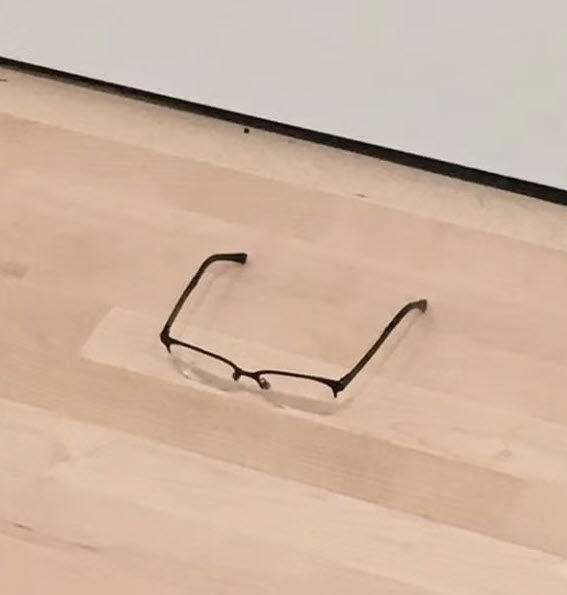
The journey to simple for most of these young creators does not appear to have been accompanied by a study of those who went before them. These early creators were people who had no choice but to be creative with composition, lighting, moment, expression, story or emotion. We often point to Cartier-Bresson as a shining example of this. It’s like the youngins’ have no idea that simple has to be offset with something else that draws the viewer in. If it isn’t, again respectfully, just print the snapshot, put it on your fridge, and move on. It ain’t worth sharing.

I hope we don’t become a world of extremes (not extremists, but that could happen too). No, instead I mean where we choose lifestyles that don’t leverage the best of everything on offer, but instead pick an extreme position (no technology or only technology, for example) and live there for the duration, thinking that somehow it is better than any balanced compromise. I’m seeing it too much already. I could argue that it creates more problems than it solves. But we all take our own journey, and I’m looking at this from the perspective of 7 decades of travel down this road. I guess it’s ok if someone else takes a different turn when taking their first step. I hope they find what they are looking for.
 oldgirlphotography.ca
Well said Nina, and so on point with so many in our generation!
Stay safe! Judi
LikeLike
Well said. More is not better. What I have and know is my wealth.
LikeLike