
My last blog mentioned my recent trip to Los Angeles for a photography workshop that focused on presenting architectural elements as abstracts. It’s a very unique style of presentation, and as it turns out, not one that I am really comfortable with. Some results are great, like the one below. But most, not so much.

There seem to be three reasons for this. Find out what they are and why I was surprised by them.
I love learning. I thought I was as pliable and open to new ideas as I’ve been since I was a kid. By example, I’ve spent over two years immersed in the technical and artistic aspects of astrophotography, which by all accounts is one of the hardest genres of photography to learn from scratch. I deep-dived and swam through every aspect of that realm since 2022 and have loved every minute – pretty much.
I also love architecture. Human creativity in concrete (pardon the pun) form. I love exteriors, interiors, walking through intricately crafted spaces, both old and new. I love photographing them and, I thought, presenting them in artistic rather than documentary ways. I have many examples of that here on my website.
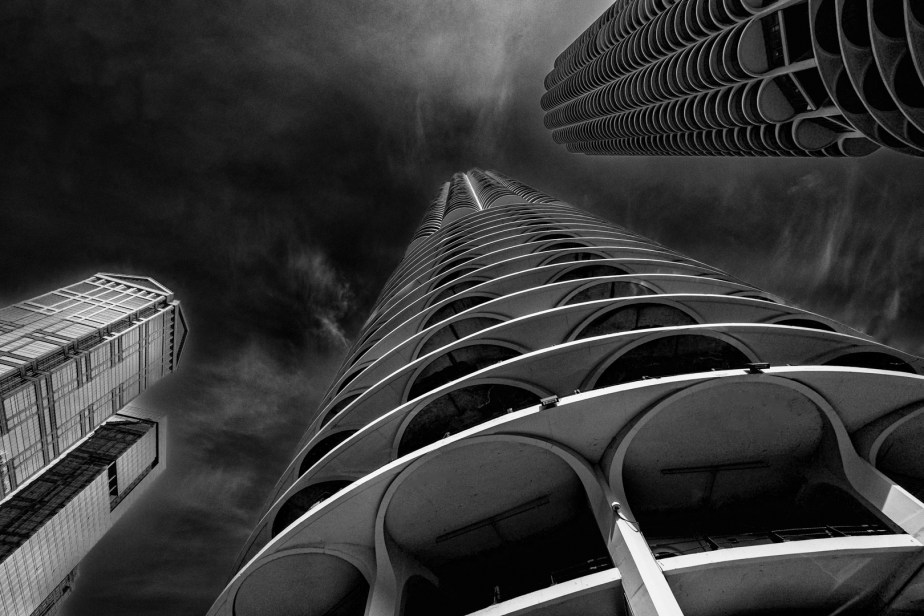
So I thought the discovery of this technique was a natural next step in my creative journey. I signed up eagerly. The instructor, Angie McMonigal, did everything right – from first concepts in a Zoom session ahead of the experience, to onsite coaching, to a final image review afterward. All exactly as it should have been.
The notion of abstract architectural presentation relies on four concepts to be successful: clearly isolating the subject so that the eye is immediately drawn to it, simplifying that subject so that surrounding elements don’t confuse its presentation, using unique angles of capture (rotation) to break the brain’s tendency to see it a specific way, and as a final test, processing it so as to generally not be able to identify what the original source material is or where it is. You are truly creating new art.
Below is an example: the original image as I shot it, how I would normally process it before taking this workshop, and my feeble attempt at an abstract using this same subject matter.
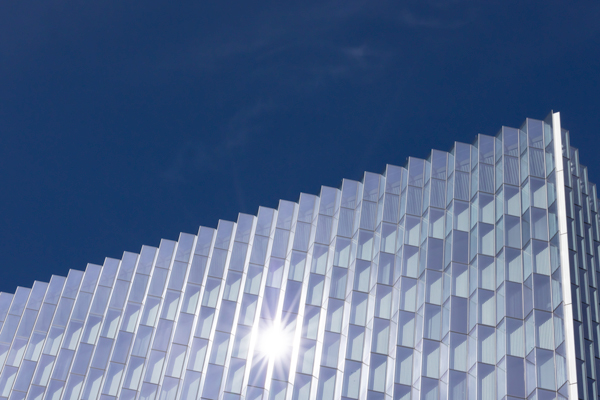
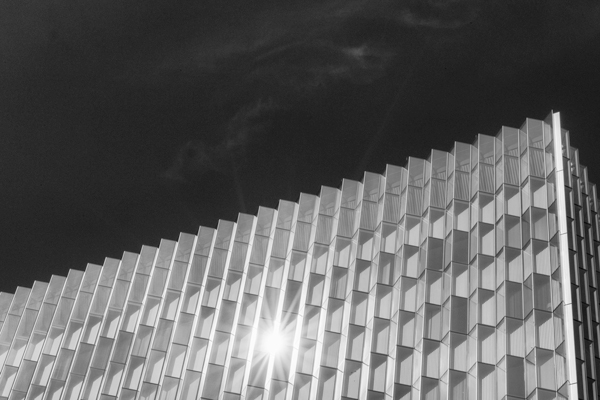
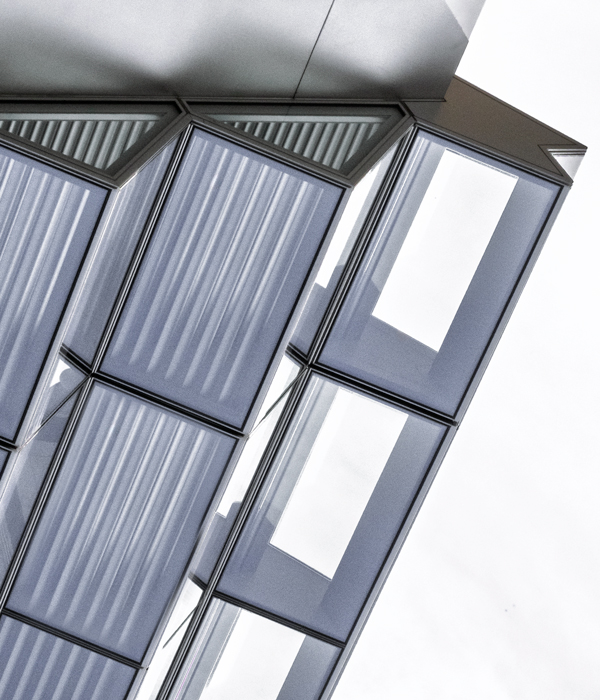
So why am I so bad at it?
Reason 1: The Excitement of Travelling to a New City

There were so many incredible new things to see in Los Angeles. I wanted to immerse myself in the city and what it offered. I wanted to capture the depth and breadth of that experience and to say I was here. This worked against me in every way for purposes of learning this new technique. I didn’t want to depersonalize what I was seeing – I wanted instead to shout it out loud. Big wide vistas that celebrate the visual impact of the city and its architecture. You could argue that I should have been able to do both and yes, I tried. But what made me happiest was the big wide vistas, not the tiny cutouts of angles and lines. What’s the lesson: maybe it’s best to first try this technique on a city that you already know, where the big wide vistas are less distracting.
Reason 2: If I Know What It Should Look Like, It’s Really Hard to Turn It Into Something Else

This is probably the main reason for my failure. Imagination. Being able to ask “what if?”. I’ve made good progress over the years in extending my imagination, even as I age. I can visualize and try new colours, new textures, new methods of emphasizing elements in images. But this experience has taught me – or rather validated – that what I can’t do is deconstruct and reconstruct pixels to totally create new ideas. I mentioned my astrophotography journey. The same is true there. I hate to tinker with equipment or techniques – absolutely hate it. Many hobbyists love it.
I will play with colours and tone and details in an image though. I will also crop so as to include or exclude elements on the periphery. But some base element of the final result has to be in front of me when I take the shot. So it seems that I have limits in what my brain will accept as acceptable. Not sure if that is age-related or just me. Probably both. So what’s the lesson here: if you are trying a new technique, maybe practice locally before the main event.
Reason 3: Physical Limitations
I’m not offering this as an excuse, only an explanation. Many of my classmates could often be seen leaning at odd angles over a wall or lying on the floor pointing their cameras upward. Many climbed flights of stairs for a better angle or crooked their necks to 90 degrees or more to get that perfect unexpected perspective. Getting high (not that kind, lol) or getting low or twisting/contorting your view seems to be a bit of a requirement for this technique. While I did some of that, I didn’t do it a lot. Even a simple bend to the side if done frequently enough can have a “lasting impression” as it turns out. I’m still dealing with some of that a month later.
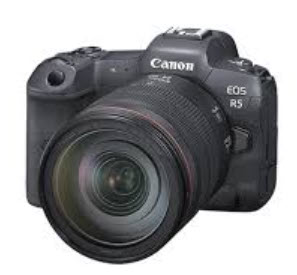
I purchased my camera gear a few years ago because it could help me eliminate some of that kind of need, though flippy screens and lightweight bodies. But the lens of choice for this technique is most often a 70-200 or even longer, which can be difficult to hold up for several very full days in a row. Overall, the physical strain did eventually affect both my ability to capture and my interest in capturing these abstract presentations. The lesson here is an obvious one: before booking an experience as an older participant, really consider whether the physical requirements are something you can handle. For sure, ask questions before signing up.
The bottom line is that I am very glad to have gone to Los Angeles, for the city, the sunshine, the warmth and the company. I am also very glad to have had this creative experience with a wonderful teacher, and hope that some of it will continue to appear in my work going forward. I’ll be posting a few more examples on the website over the next few weeks. Hope you will check them out.


I love what I have seen so far. Keep it up!
LikeLike