

Summer is coming to a close here in Canada. The evenings are darker and the mornings are just a bit cooler (although this past week we had a literal heat dome for 2 days where you would just start to sweat taking one step outside). But I have had a fantastic month and wanted to share it.
Most people my age would describe a fantastic month as one spent at the cottage, on a lake, surrounded by family, enjoying the outdoors, good food and maybe a beverage or two.
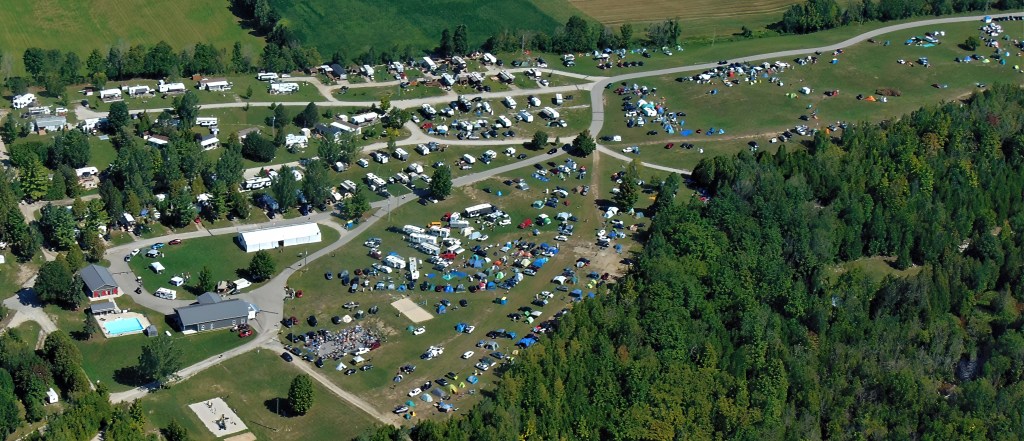
I spent part of my month in an empty field (not so empty at the time I was there), in some of the most beautiful country I have seen in a long time, surrounded by like-minded folks who were there to do one thing – point telescopes at the sky. I went to my first ever star party.

It was a 4-day weekend long feast of sights, sounds, adventures for the mind and soul, and a wonderful reminder of how we can mesh with nature and all it offers. Many attendees camped onsite for the duration. I didn’t – a local motel was my home when I needed to sleep. But other than that, I got the full experience.
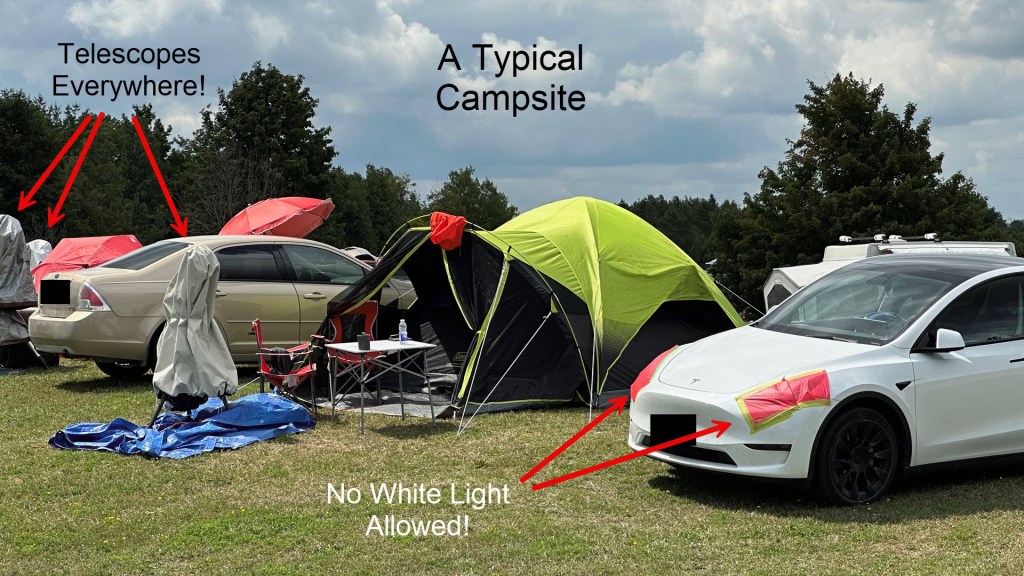
Spending time with people who have the same interest, with as much if not more enthusiasm for that shared interest, is truly a wonderful thing. You feed off the shared experience and get a whole bunch of good ideas to try once you return home. You also find out about the backgrounds and very different life paths that people have taken to that shared moment, and for me, re-discovered that friends come in all shapes, sizes and histories.

When I decided to attend, I wondered if I would fit in, if I could feel comfortable among this cohort whose professional roles include astrophysicists, research scientists, family doctors, neurosurgeons, computer programmers, nuclear engineers, robotics engineers, real estate barons, investment fund managers and everything in between. Not only was I welcomed, but I met many many people like me – with perhaps more modest careers but having a passion for the subject. It truly is a village.
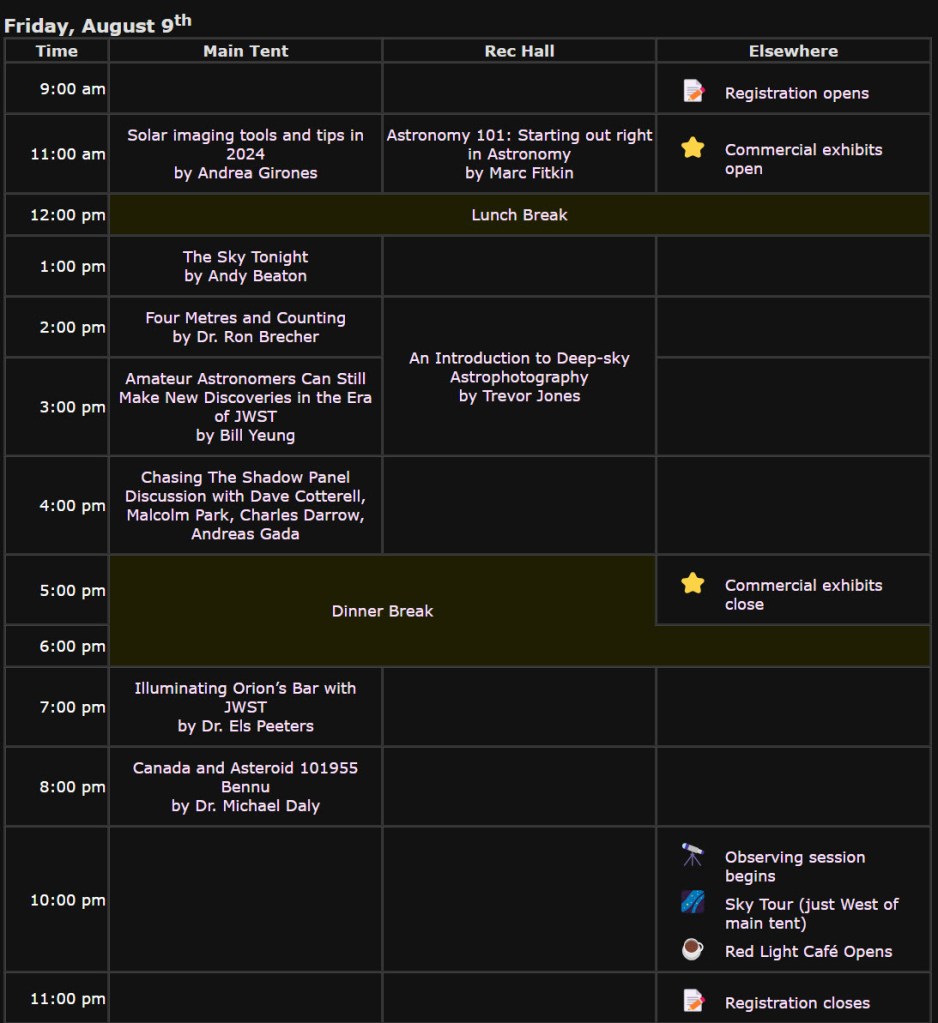
I have to complement the organizers, the North York Astronomical Association, for the superb job they do each year putting this event together. It apparently has run for over 20 years, and each year, in an empty field, we have everything we need to enjoy astronomy and astrophotography. There are speakers under the tent during the day, displays of equipment, food and drink, facilities throughout the grounds, merch to commemorate the visit, and the opportunity to wander and talk to everyone there. They also power the event, providing access to power for the masses of equipment that dot the field for the week.
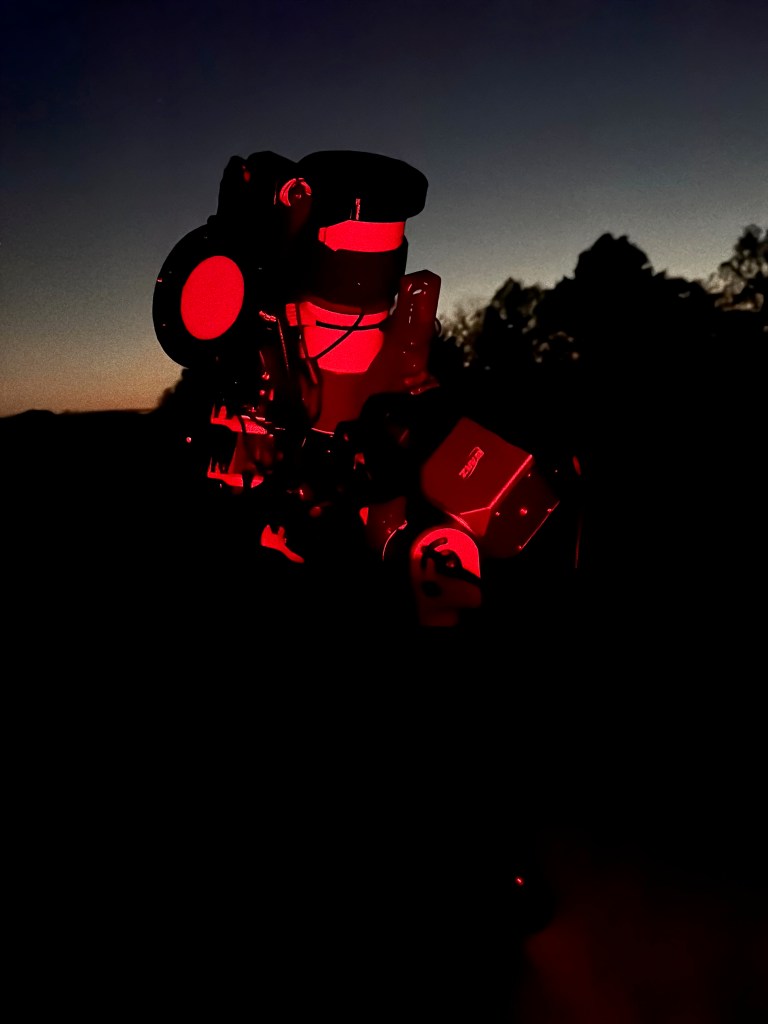
And of course, the main event was the sky at night. Sadly, I only had one clear night, but what a night. I usually take astro photographs from my driveway, so having a sky that was 6 times darker was a treat for the mind. The full Milky Way was on display from east to west. I set up and while my equipment hummed along, I enjoyed the view and chatted with other stargazers until the clouds rolled in at 1:30 a.m. when I packed up and headed for the motel.



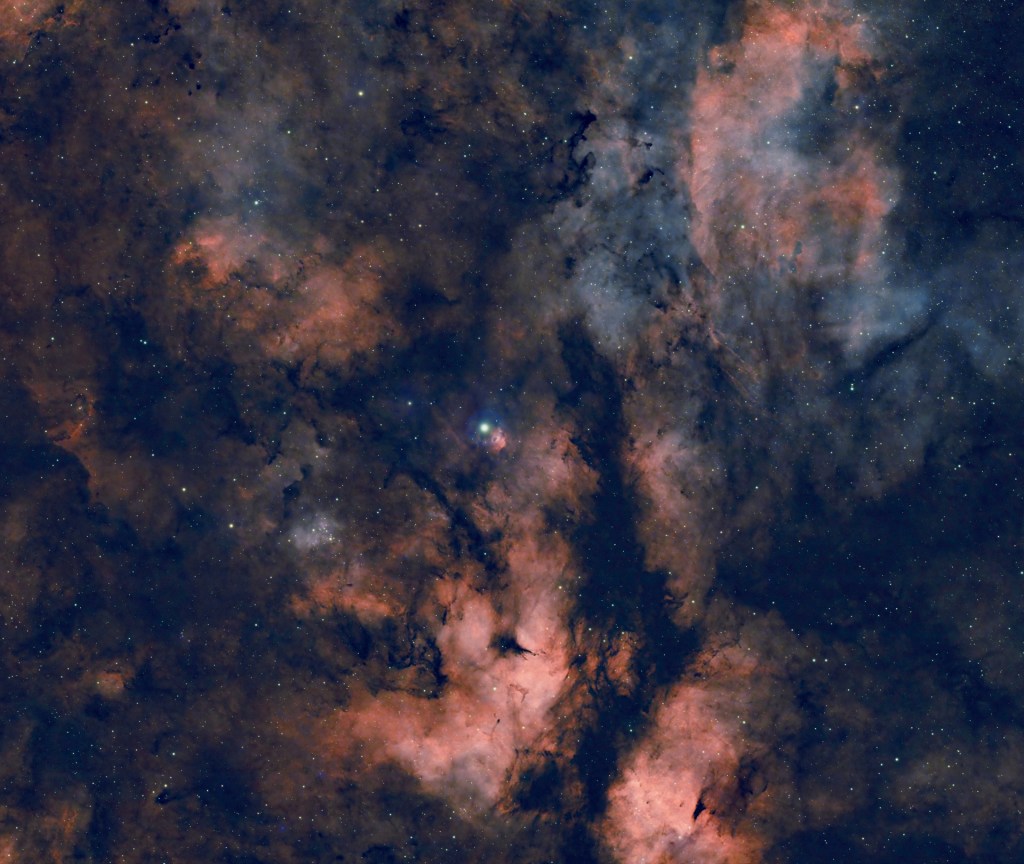
It was the best vacation I’ve had in years, and I left feeling totally energized about this hobby and what I could to with it. Since then, I’ve processed and released my backlog of images, established efficient ways to collect, manage and store the huge volume of data that you collect when you are in this hobby, assembled and tested the new equipment I got at the event (yes, the wallet left quite a bit lighter, I admit) and even tinkered with some updates to make my equipment more efficient and effective.
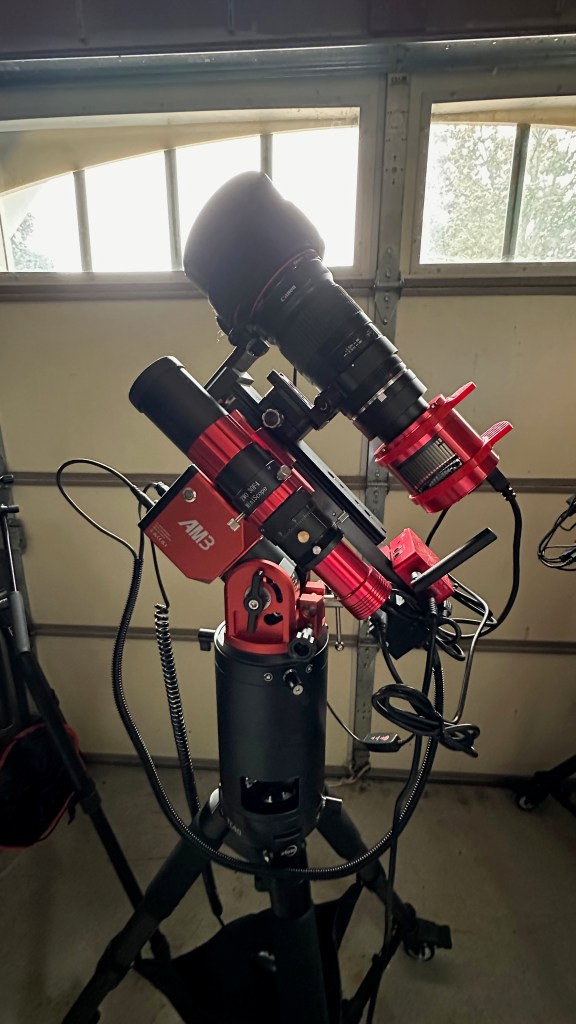
Those who know me know that I hate to tinker – I just want things to work out of the box and will pay for a more expensive option if it gives me that. But I actually tinkered and came up with a way of using my Canon lenses with my astrophotography cameras. These cameras have no front bayonet mount, onboard buttons or viewscreen – they are simply a sensor encased in a cooling fan housing. But I now have a way of using any of my Canon lens collection to give me an almost infinite number of focal lengths of telescopes – super wide angle to super zoom. I can now pick exactly the right scope for the moment. Woo hoo!
As mentioned, the other benefit of my new energy is that I have processed my entire backlog of astro images to date. Many photographers struggle with the need to be at the computer – they would rather be out shooting. Well in this hobby, everything is at the computer – from lining up your scope correctly at the start of the night to recording the images as they come in. And processing an astro image is hugely different from daytime images – often your “raw” images look like empty black spaces that make you wonder if you left the cap on the scope. After several sometimes long steps, you end up with something to share. But I now have an efficient and effective colour image workflow that will get me a result I am proud to share. There are more complex processes ahead as I move into trying other techniques such as monochrome camera imaging. Turning monochrome raw files into final colour images takes at least 4 times the processing effort. Oh goody! More on that to come.

It’s really cool that one of my best vacations ever was almost literally in my own backyard – 2-1/2 hours away. I look forward to doing it again next year, and maybe even find a way to camp onsite. Maybe…
 oldgirlphotography.ca
Great article, Nina! Your enthusiasm and willingness to take some risks to engage and challenge yourself are inspirational.
LikeLike
I am so glad you are finding what makes you happy.
LikeLike
Thanks, Donna. I’ve always enjoyed activities that stimulate the mind. This gets me out in the fresh air as well. The best of all worlds.
LikeLike
Nina, it seems you have truly found your happy place, I wish you years of happy!!
LikeLike
Thanks, Judi. It has its frustrations, but overall yes, I would agree with that. Thanks so much.
LikeLike