
This is a bit of a hypothetical discussion, as I am at home, recovering from surgery. All is well and I will be back on my feet in no time, but for now, I have to imagine what it would be like to live this topic that I am writing about. What is the topic? How our mood can affect our photography. Duh!
Going through any surgery certainly does expose you to changes in mood. Shock and apprehension about the need for surgery, doubt about the risks, abject fear about the process and annoyance about the slow limitations of recovery. Been there, got the t-shirt. But you passively accept those moments and try to do your best to get through them.
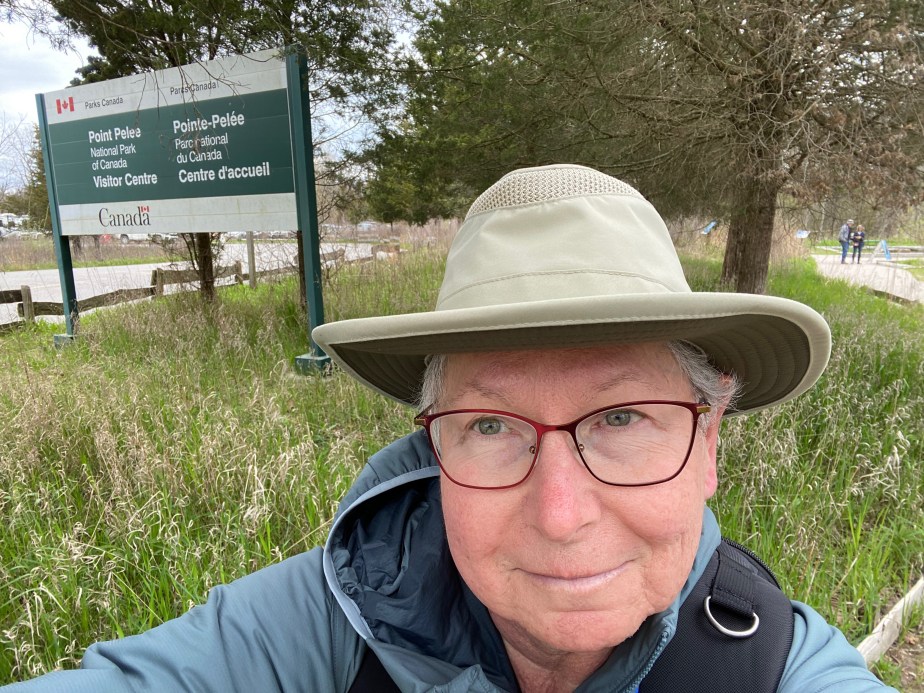
Most of us think photography is strictly a joyous experience and we do our best to make it so. Certainly as a retirement hobby, it fits nicely into the niche of something entertaining and challenging to do. We look forward to packing up our kit, meeting our friends and heading out for day of shooting.
But did you know that your mood, whether happy or glum, can have a profound effect on the type of photograph that you take? In some cases, the most compelling, artistically rich photographs are those we take when we are in the crappiest of all moods.

How exactly does mood affect artistic expression? Well, the most obvious way is in whether we express anything at all. If we are sad, depressed, introspective, we may just decide that picking up the camera today makes no sense and we stay home.
But if we do make it outside despite our melancholy, we can land in a number of interesting situations. Maybe we just want to watch people go by to see what their lives are like, so we venture into the city for some street photography. I have to say that’s not a genre I do well in, but I do my “best” work here when I want to connect with other people and especially when I feel I need some human connection support from them.
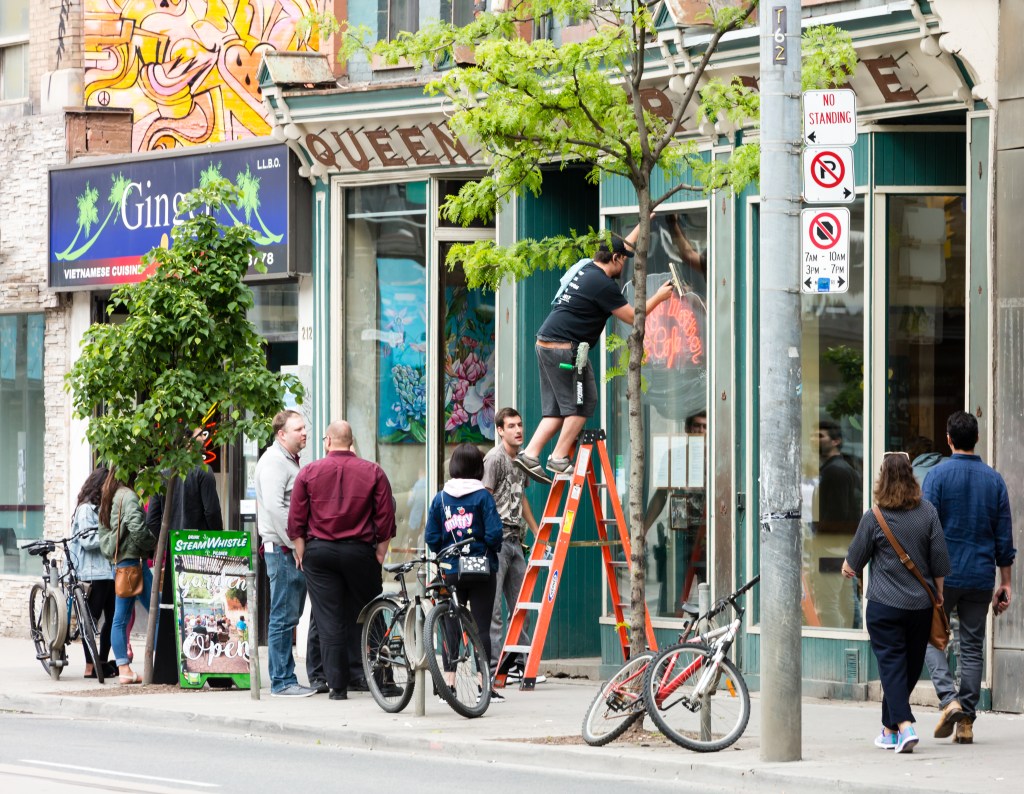
I might see a street scene that makes me chuckle, like the window washer on a ladder watched by others and a sign that says “no standing”. I might see a young family on an outing to the skating rink at City Hall. And I will see the stories of people in worse circumstances than I, which invariably makes me realize that my funk is not meaningful really. But in pointing the camera their way, I’m looking for the feelings that prompted me to go there – maybe something ironic, something worrisome about my own family, or some little injustice dealt to me. I want those feelings to come out in the photograph, so I wait for moments, select elements and edit it later to bring those stories to life.

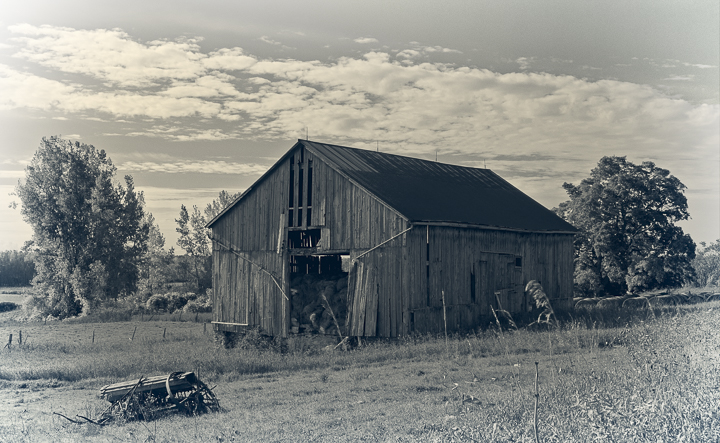
I can have the same experience with architecture, which is an area of interest for me. You might think that strange. Sometimes I need to express how wasteful humans are, and photograph urban decay or a pile of trash. Sometimes I need to capture their ingenuity, highlighting an element of a building or facade that might otherwise go unnoticed. More often though, I need to bottle up the scale of human invention, capturing the biggest, tallest, most complex or most modern structure I can find. If I am in a mood to celebrate humans, I go for grandeur. If I’m sad or angry at us as a society, I often find a stark, simple scene and present it in grungy black and white.

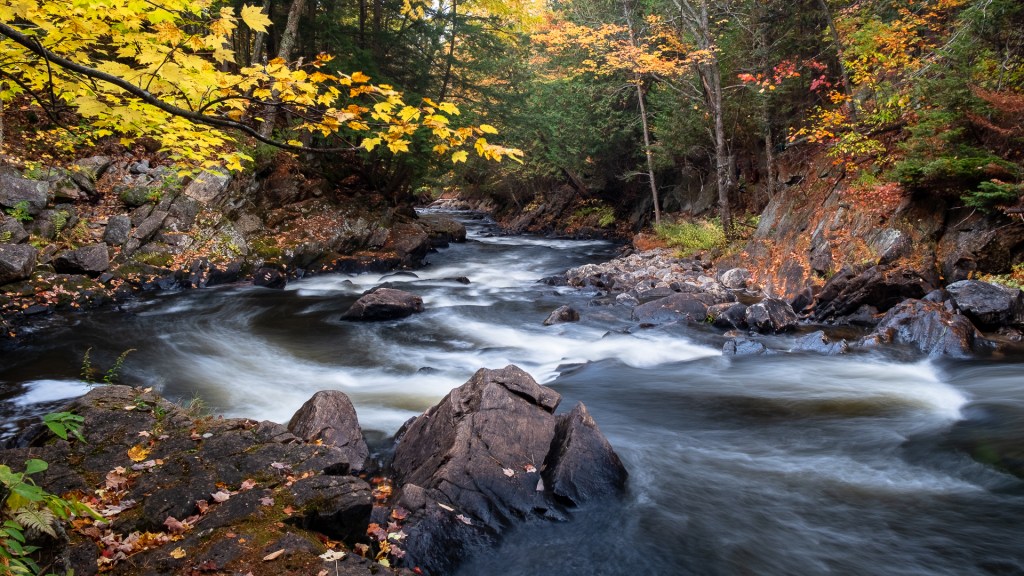
And then there are landscapes. Most of us retirees head out to the landscape for pleasure. We take walks, hike, camp and breathe that fresh air. I do too. So of course, landscapes are all about the positive – sunshine filled days with bright wildflowers and bees. Yet many of the most compelling landscape images are angry, storm filled, with fog or mist. The makers struggle mightily to reach the destination and then struggle mightily to take the shot. Many say afterward that the adventure is purging, removing the stresses of an otherwise troublesome day. They deliberately seek out the anger in nature that matches the anger inside their heads. And they depict it that way in post.
Even the time of day plays a role, for those of us who are energetic morning people and those of us who are not. Personally, my state of alertness and energy factors very much into what I see and what I accomplish in a shoot. In the morning, I seek calm, serenity and solitude. In the evening, I want grandeur and big city lights.
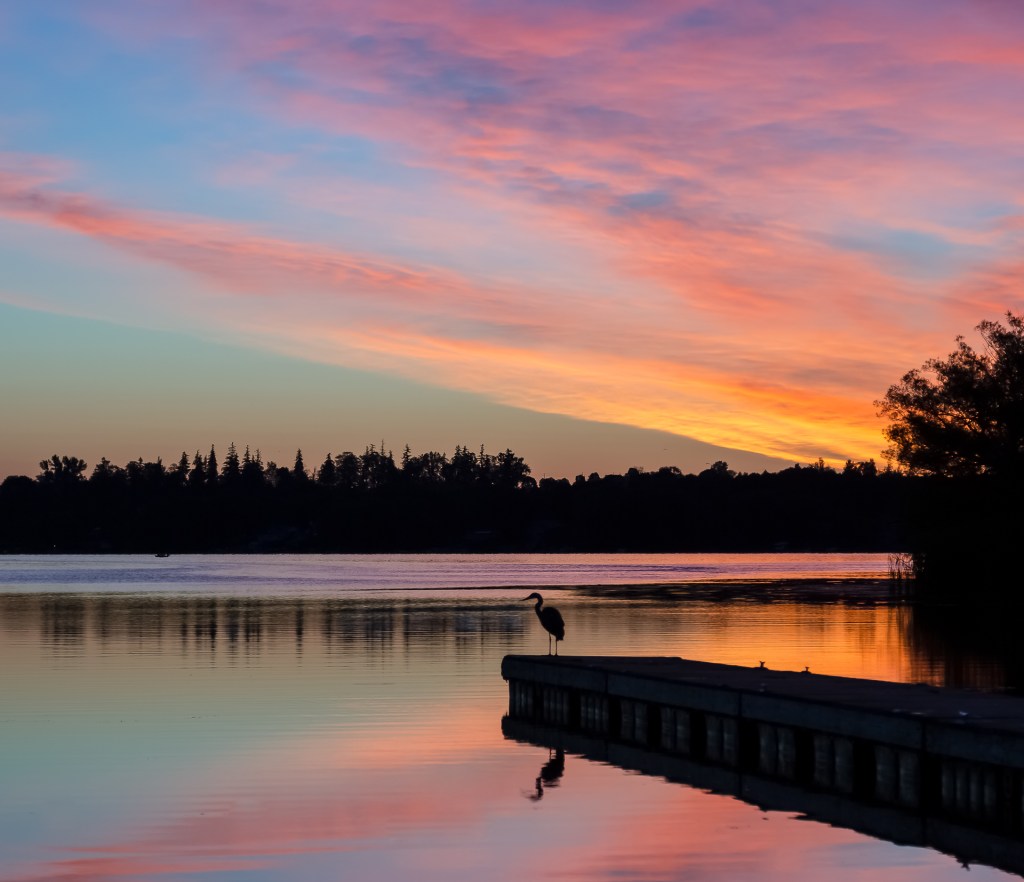

Everything in photography is about choices, even though some, I suggest, uninformed souls argue that we are just documenting the world around us. But we choose what to include and exclude in the shot. We select groupings of objects. We choose the lighting or adjust our settings to achieve a specific lighting effect. We wait for the lighting to touch the scene in specific ways in the landscape. And we use colour, tone and texture to evoke a specific message. Because we are making choices, it is obvious to me that our mood will affect these choices. I am actually very glad that it does.

Alister Benn of Expressive Photography in 2017 identified five triggers that shape the results of his landscape photography. He recognized them as “atmosphere”, “colour’, “contrast”, “geometry” and “luminosity”. He works with and through each of these every time as he ventures out. But lately, he has also recognized a sixth contributor to the results – the photographer. Each time we venture out, we take our life baggage, our day’s events and our anticipated future events with us into the field. These invariably enhance or stifle our creativity that day. The interesting thing though is that what might appear to be a negative mood that day might inspire the utmost creative expression of that mood and the most epic result.
And to further cement the relationship between photography and mood, it appears that the UK is now allowing photography to be “prescribed” as a treatment for a variety of mental health concerns.

It is a pilot program, aimed at providing outlets for expression of emotion, as well as avenues for combating loneliness and stress. The program provides instruction and equipment, and connects people to one another, the best medicine for releasing those demons.
So as you plan your next photography outing, take a moment to recognize your own mood and see how it contributes to what you accomplish that day. You might be amazed at the result.


Another thoughtful and interesting viewpoint on the human condition. Having just returned from an epic photographic journey to New England, there were times I couldn’t wait to get in the vehicle and have at it, but once my photo buddy dropped me at the hotel so I could rest. Another time I simply watched the heavens whilest she photographed the heavens, I found more joy in that than in wrangling with the focus ring, and I saw Elon Musk’s Starlink whilest gazing at said sky on the Kancamagus Hwy in New Hampshire. Energy levels play a distinct part in enjoyment, you really have to pace yourself!
LikeLiked by 1 person
Oh Boy, I can relate to mood and my photography. I am still not back to the level I was 4 years ago, as I work through the grief of loosing my daughter. Simple stuff, yes. Thought out and more arduous, no. Not there. Maybe I need a good friend to pull me along. 🙂
LikeLike