
I had the pleasure, and it was a pleasure, of visiting a working farm a few days ago. Bragg Farms, in Clarington, Ontario, is home to cornfields, sunflower fields, soy fields, potato fields, many free range chickens and, wait for it, tourists, along with a website and an online store.

I had the chance to spend time talking with one of the owners and it was an eye opening experience. Farm life certainly isn’t what it used to be when I was a kid.
First, apologies for the lengthy delay between posts. Life sometimes kicks you in the teeth. For the past few months, I’ve been dealing with my own annoying but manageable health issue, as well as being emotionally invested in several more severe, more serious health issues in family and friends. Only one of these is resolved and not happily, but I’ve decided that it’s time to be curious about the world again. So off to the farm I went.
The farm itself appears to be what you would expect of a working farm: 8th generation family farm, established in 1843. It houses heavy equipment, outbuildings, grain silos, and fields as far as the eye can see. But behind the scenes, it is a corporation, with multiple business interests, offering multiple product lines. The working farm isn’t just what the eye can see either. The owners rent and lease as much land as possible in the area to extend the farm’s productivity and yields.
As expected, farm life is so very dependent on the weather, and the trials and tribulations of climate change have made the ability to plan for and predict yields year over year more and more difficult. The ability to rent or lease land is also becoming more difficult, as owners give way to developers or open businesses on the land that attract income but no longer provide a food source. Some of those alternative side businesses include pumpkin patches or lavender fields, grown for tourist attractions and entertainment, not for food. Some farms also include rides and onsite fairs, again, for the entertainment of visitors.

Bragg Farm has not gone down that road. The vast majority of their products are food products, although very much more diversified than was historically the case. Eggs, berries, sunflower seeds, seed crops like corn and soy, all contribute to products sold onsite or to wholesalers. But they have also started to offer companion goods and products. Like viewing platforms in their sunflower fields to allow bird photographers to capture stunning images of their winged subjects feasting on the colourful plants. Like morning and evening photography sessions with portrait photographers who love the texture and colour of the fields as backdrops. Like Aronia Berry Jam, sweetened only with pure maple syrup, and rated as one of the best ways to introduce antioxidants into your diet.
My visit was for photography, but I took the time to learn about the activities of the farm and the pressures the owners face to survive. Things we take for granted in our suburban lives don’t really apply on the farm. You work all day, every day. There is no such thing as a vacation during growing season. There is no such thing as a mental health day. On the flipside, the quiet surroundings and the vast open spaces were calming to me, and I now appreciate that it is a different kind of stress on the farm from that which most of us deal with. It’s the drama of real life.
Last year, we hardly had any rain during the summer months. This year, we have had almost nothing but rain. While my suburban home garden looks like a lush scene from a McMansion in Vancouver this year, the owner mentioned that her fields were maturing way too early this year to get the most out of the growing season. My immigrant family had a large backyard garden when I was growing up, and I remember my dad being annoyed when the weather did not allow him to grow what he wanted in the quantity he wanted. I can’t imagine what it’s like to cope with that issue on this scale.
No business venture comes with only positives however. Expanding into hosting photographers and tourists comes with its own share of challenges. Bird photographers who camp out all day on a platform, with crates of gear, despite requests to handhold their shots and to share access. Tourists from different cultures who don’t seem to understand that annoying and chasing animals onsite is not an acceptable way to behave. Humans really can be idiots sometimes.
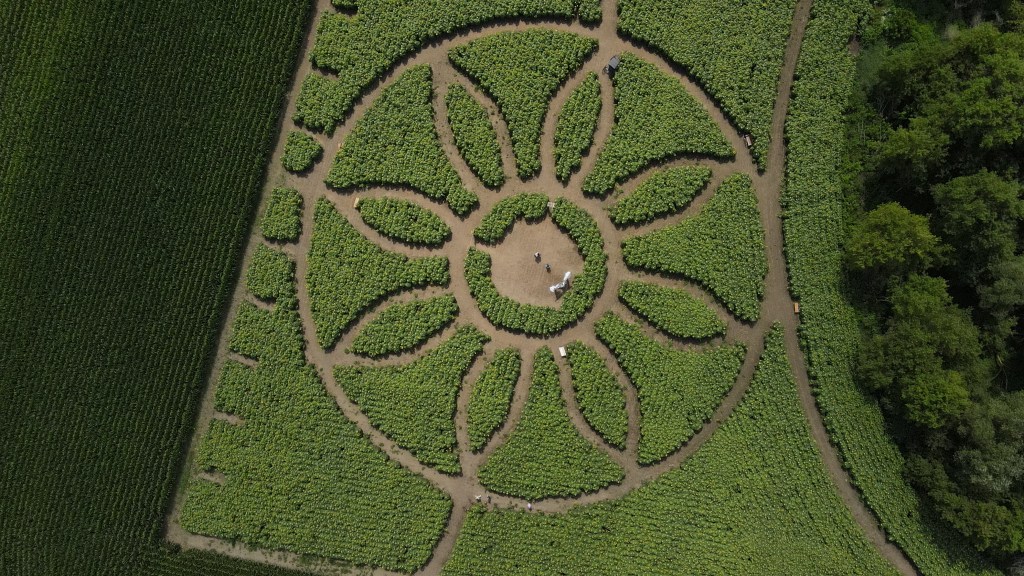
And one last interesting fact: cutting a pathway through a cornfield or sunflower field for tourists means that portion of land is no longer available for cultivation. That’s a big loss for a farm. It has to be made up some other way.

Why am I writing this piece in a photography blog? To celebrate the landscape, of course, and to recognize those who respect and cherish it. Also to recognize that inventiveness and resourcefulness are the hallmarks of any successful business, including farming. The next time you visit a farm or even drive by a farm, give a few moments of thought to the people who run it. Give them your support. They put food on your table. They are also protecting a legacy that is by far the most important legacy we have.
 oldgirlphotography.ca
Do glad you got to enjoy some of the “countryside”. Thank you for bringing the life of a farm to the public’s attention. Not an easy life, but a rewarding one.
LikeLike